📊 An animatable view that depicts multiple progresses over time. Modeled after UIProgressView
Swift
1,000
125 commits
updated Mar 27, 2021






)


📊 MultiProgressView is an animatable view that depicts multiple progresses over time. Modeled after UIProgressView.
To run the example project, clone the repo and run the MultiProgressViewExample target.
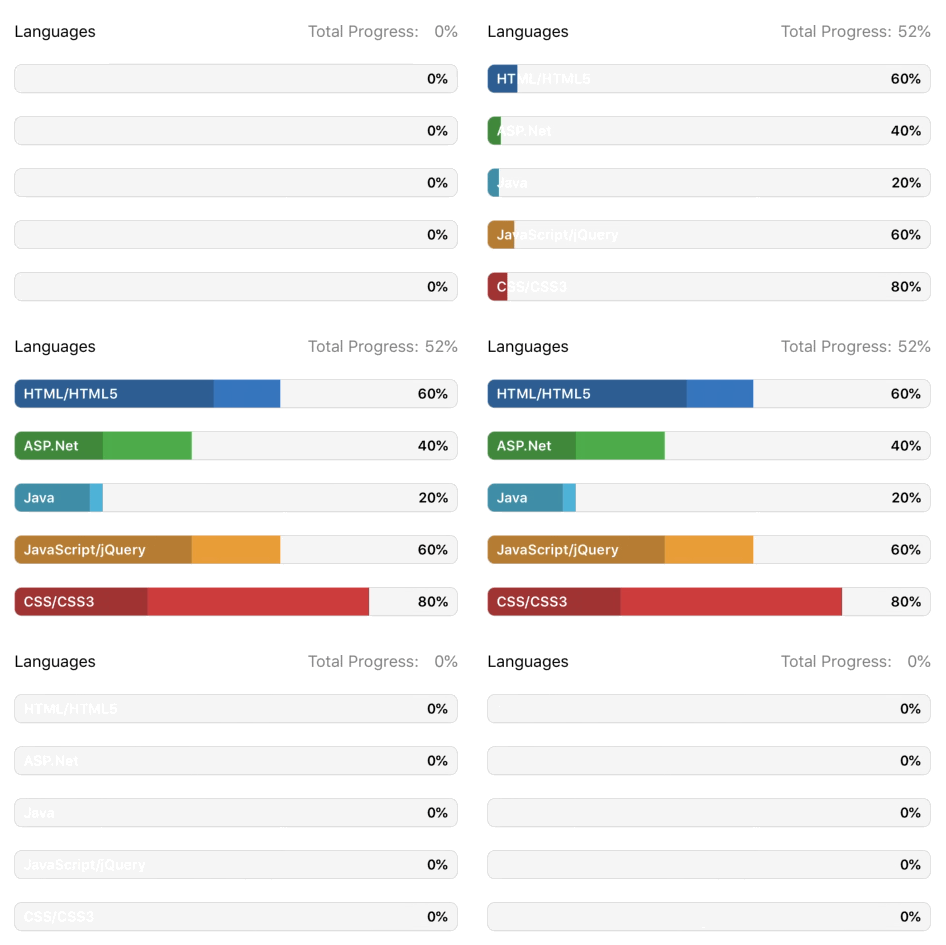
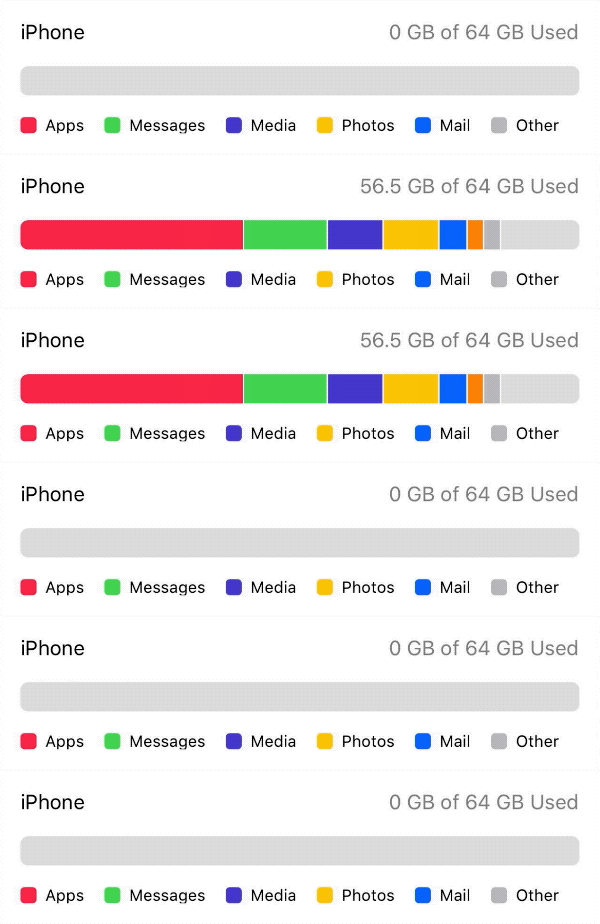
Add a MultiProgressView to your view hierarchy:
let progressView = MultiProgressView()
view.addSubview(progressView)
Conform your class to the MultiProgressViewDataSource protocol and set your progress view's dataSource:
func numberOfSections(in progressView: MultiProgressView) -> Int
func progressView(_ progressView: MultiProgressView, viewForSection section: Int) -> ProgressViewSection
progressView.dataSource = self
Call setProgress(section:to:) to update your view's progress:
progressView.setProgress(section: 0, to: 0.4) //animatable
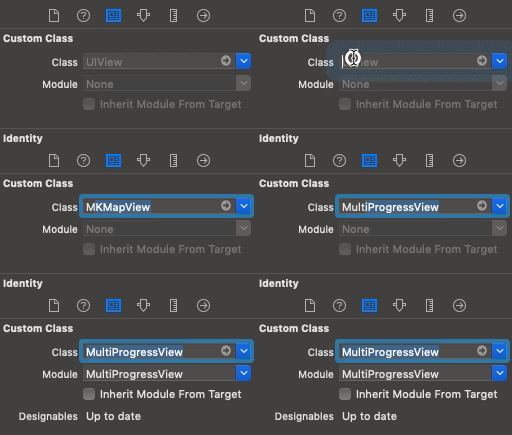
Drag a UIView onto your view controller and set the view's class to MultiProgressView in the Identity Inspector:
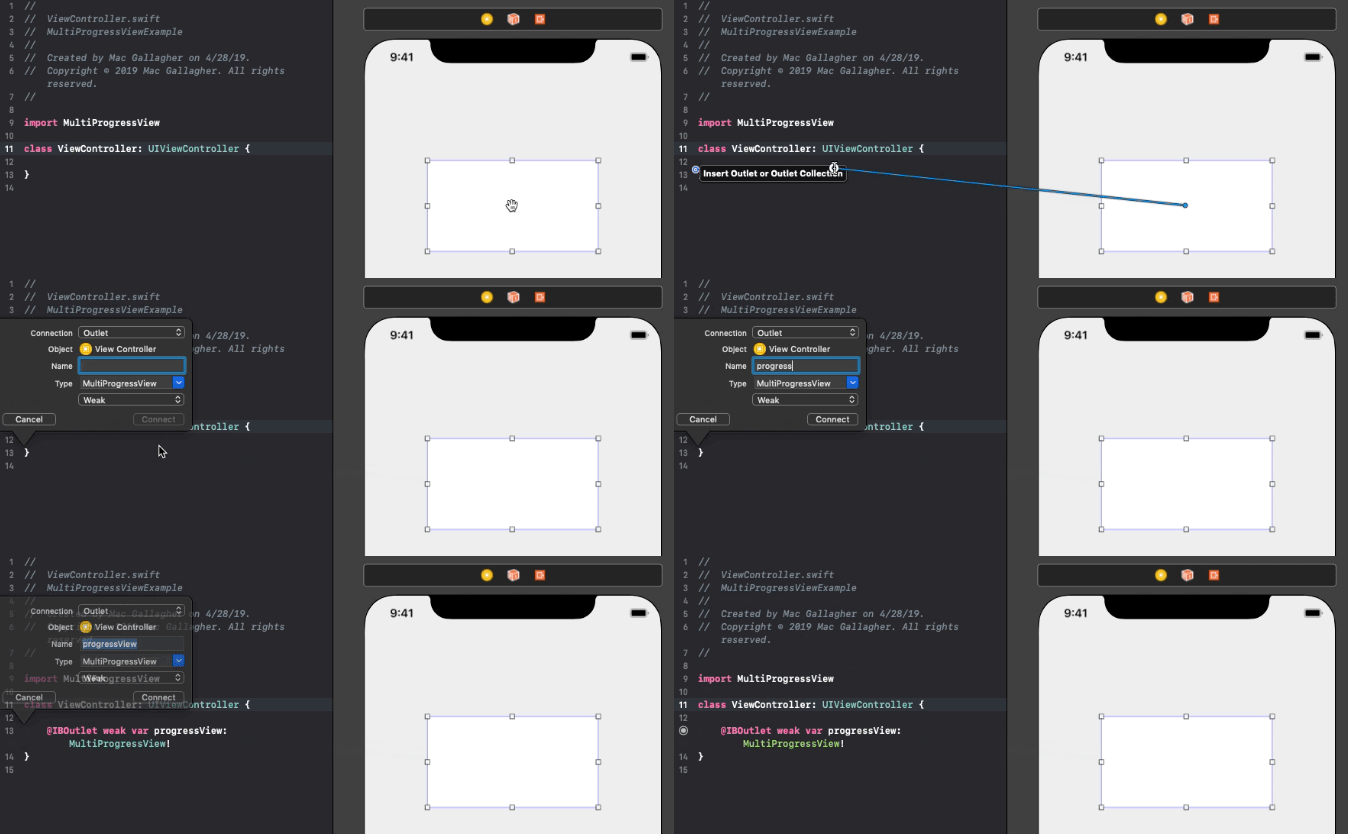
Connect your progress view to your view controller with an IBOutlet:
Conform your view controller to the MultiProgressViewDataSource protocol and implement the required methods:
 func numberOfSections(in progressView: MultiProgressView) -> Int
 func progressView(_ progressView: MultiProgressView, viewForSection section: Int) -> ProgressViewSection
Set your view controller as the progress view's dataSource:
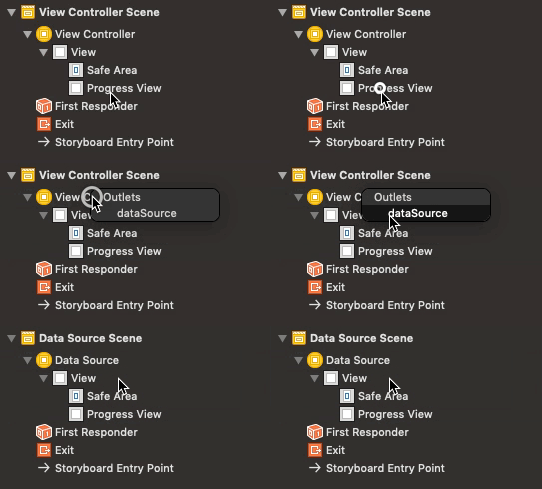
Call setProgress(section:to:) to update your view's progress:
progressView.setProgress(section: 0, to: 0.4) //animatable
Each MultiProgressView exposes the variables listed below. If using storyboards, many of these properties can be customized directly in the view's Attribute Inspector.
var cornerRadius: CGFloat = 0
var borderWidth: CGFloat = 0
var borderColor: UIColor? = .black
var lineCap: LineCapType = .square

var trackInset: CGFloat = 0
var trackBackgroundColor: UIColor? = .clear
var trackBorderColor: UIColor? = .black
var trackBorderWidth: CGFloat = 0

var trackImageView: UIImageView

var trackTitleLabel: UILabel
var trackTitleEdgeInsets: UIEdgeInsets = .zero
var trackTitleAlignment: AlignmentType = .center
Note: To apply a corner radius (using layer.cornerRadius or the cornerRadius variable) the lineCap type must be set to .round.
Each ProgressViewSection exposes the following variables:
var imageView: UIImageView
var titleLabel: UILabel
var titleEdgeInsets: UIEdgeInsets = .zero
var titleAlignment: AlignmentType = .center
MultiProgressView is available through CocoaPods. To install it, simply add the following line to your Podfile:
pod 'MultiProgressView'
MultiProgressView is available through Carthage. To install it, simply add the following line to your Cartfile:
github "mac-gallagher/MultiProgressView"
MultiProgressView is available through Swift PM. To install it, simply add the package as a dependency in Package.swift:
dependencies: [
  .package(url: "https://github.com/mac-gallagher/MultiProgressView.git", from: "1.2.0"),
]
Download and drop the MultiProgressView directory into your project.
We love to hear about apps that use MultiProgressView - feel free to submit a pull request and share yours here!
Made with ❤️ by Mac Gallagher
(Header design by Mazen Ghani)
495 followers · starred Feb 2019
109 followers · starred Feb 2019
524 followers · starred Jan 2021
95 followers · starred Feb 2021
📊 An animatable view that depicts multiple progresses over time. Modeled after UIProgressView
Swift
1,000
125 commits
updated Mar 27, 2021
📊 MultiProgressView is an animatable view that depicts multiple progresses over time. Modeled after UIProgressView.
To run the example project, clone the repo and run the MultiProgressViewExample target.
Add a MultiProgressView to your view hierarchy:
let progressView = MultiProgressView()
view.addSubview(progressView)
Conform your class to the MultiProgressViewDataSource protocol and set your progress view's dataSource:
func numberOfSections(in progressView: MultiProgressView) -> Int
func progressView(_ progressView: MultiProgressView, viewForSection section: Int) -> ProgressViewSection
progressView.dataSource = self
Call setProgress(section:to:) to update your view's progress:
progressView.setProgress(section: 0, to: 0.4) //animatable
Drag a UIView onto your view controller and set the view's class to MultiProgressView in the Identity Inspector:
Connect your progress view to your view controller with an IBOutlet:
Conform your view controller to the MultiProgressViewDataSource protocol and implement the required methods:
 func numberOfSections(in progressView: MultiProgressView) -> Int
 func progressView(_ progressView: MultiProgressView, viewForSection section: Int) -> ProgressViewSection
Set your view controller as the progress view's dataSource:
Call setProgress(section:to:) to update your view's progress:
progressView.setProgress(section: 0, to: 0.4) //animatable
Each MultiProgressView exposes the variables listed below. If using storyboards, many of these properties can be customized directly in the view's Attribute Inspector.
var cornerRadius: CGFloat = 0
var borderWidth: CGFloat = 0
var borderColor: UIColor? = .black
var lineCap: LineCapType = .square

var trackInset: CGFloat = 0
var trackBackgroundColor: UIColor? = .clear
var trackBorderColor: UIColor? = .black
var trackBorderWidth: CGFloat = 0

var trackImageView: UIImageView

var trackTitleLabel: UILabel
var trackTitleEdgeInsets: UIEdgeInsets = .zero
var trackTitleAlignment: AlignmentType = .center
Note: To apply a corner radius (using layer.cornerRadius or the cornerRadius variable) the lineCap type must be set to .round.
Each ProgressViewSection exposes the following variables:
var imageView: UIImageView
var titleLabel: UILabel
var titleEdgeInsets: UIEdgeInsets = .zero
var titleAlignment: AlignmentType = .center
MultiProgressView is available through CocoaPods. To install it, simply add the following line to your Podfile:
pod 'MultiProgressView'
MultiProgressView is available through Carthage. To install it, simply add the following line to your Cartfile:
github "mac-gallagher/MultiProgressView"
MultiProgressView is available through Swift PM. To install it, simply add the package as a dependency in Package.swift:
dependencies: [
  .package(url: "https://github.com/mac-gallagher/MultiProgressView.git", from: "1.2.0"),
]
Download and drop the MultiProgressView directory into your project.
We love to hear about apps that use MultiProgressView - feel free to submit a pull request and share yours here!
Made with ❤️ by Mac Gallagher
(Header design by Mazen Ghani)
495 followers · starred Feb 2019
109 followers · starred Feb 2019
524 followers · starred Jan 2021
95 followers · starred Feb 2021



