Your tabs, right where you left them
See the code
Your tabs, right where you left them.
An independent Android browser with workspaces, containers and split view.






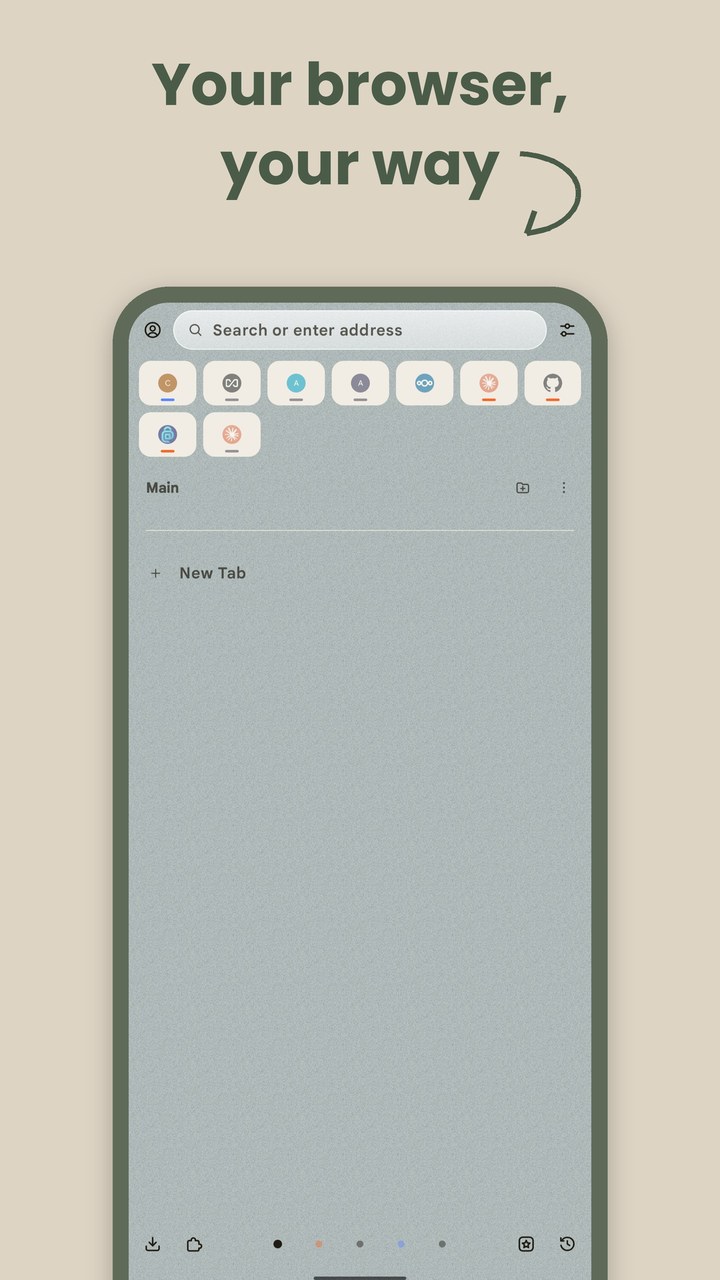
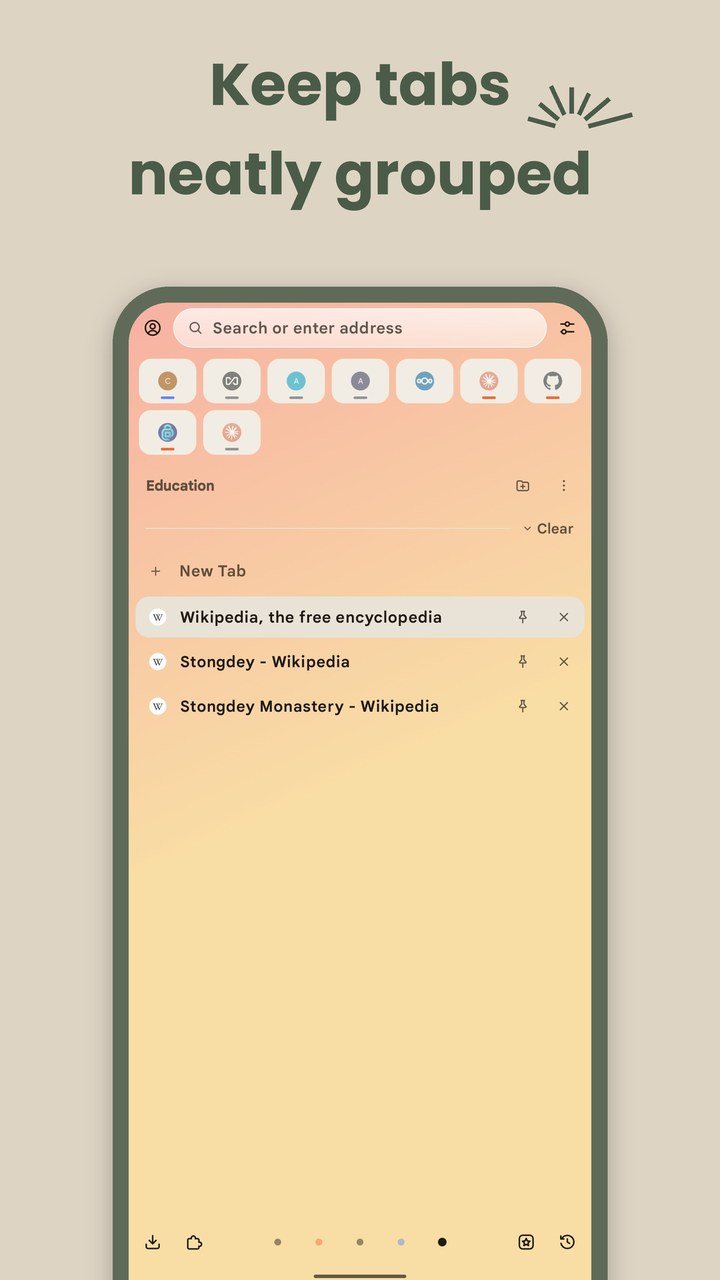
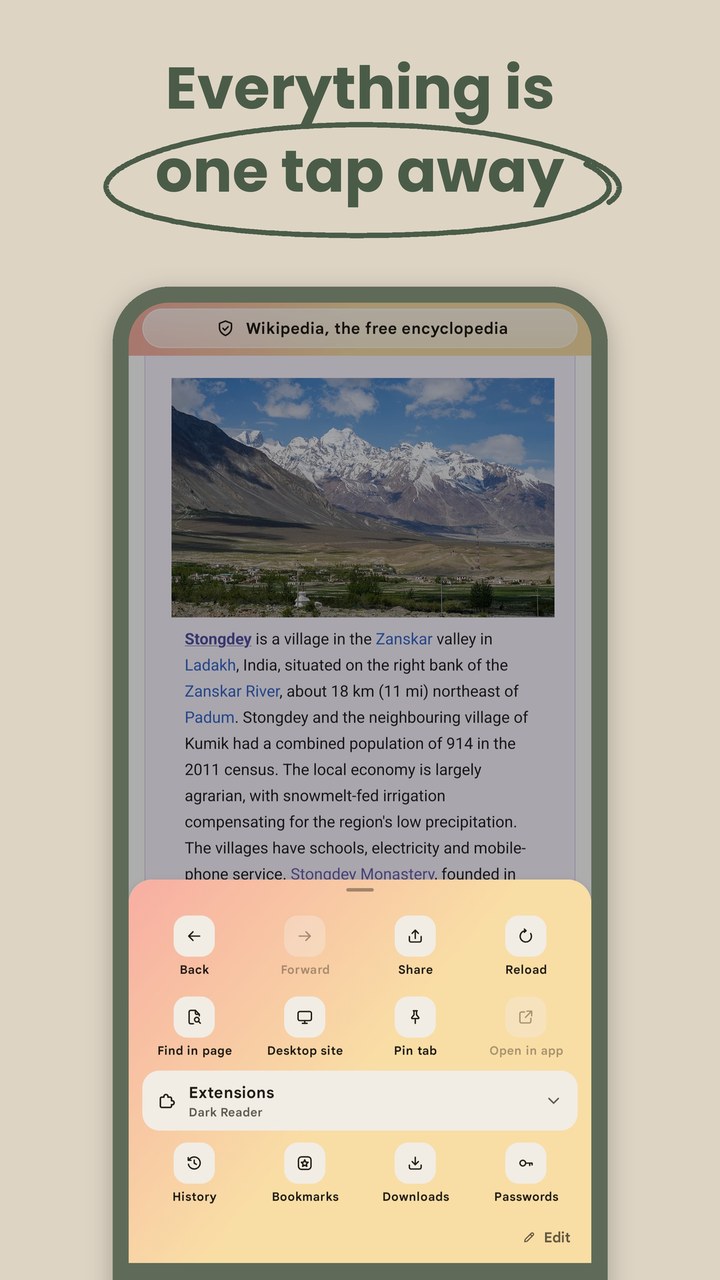
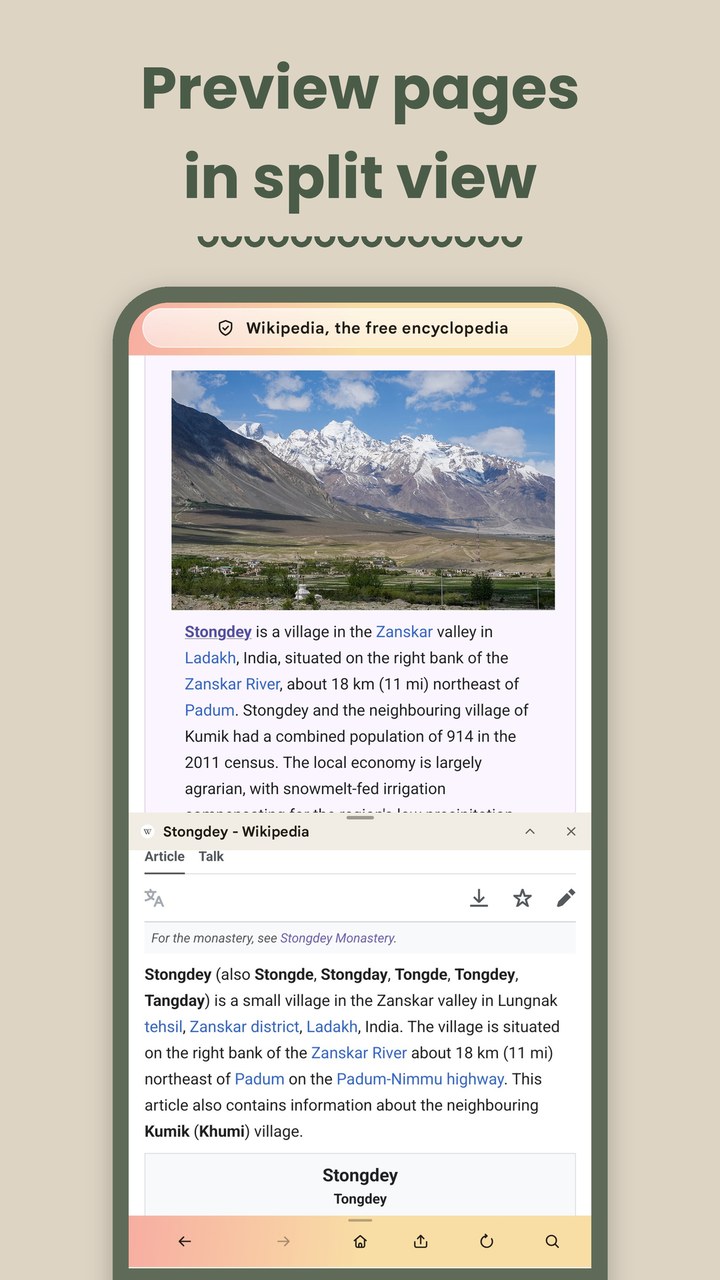
Dejavu is a browser that adapts to you. Send any tab to your own apps with one tap, edit every button in the menu, choose where links from other apps open, and keep work, study and personal browsing apart in workspaces and containers. Your workspaces, containers and pinned tabs sync with Zen Browser on your computer. It runs on the Gecko engine, supports add-ons and tracking protection, and it is private by default.
Open Dejavu and everything is where you left it, on every device. That feeling of having been here before is where the name comes from.
Dejavu is an independent project. It started as a fork of Firefox for Android (Fenix), Mozilla's open source mobile browser, but it is not a Firefox product, and it is not made, endorsed or supported by Mozilla.
Is Dejavu Zen Browser for Android? No. Zen Browser has no Android app, and Dejavu is not part of Zen or made by the Zen team. It is a separate Android browser that can sync with Zen: if you use Zen on your computer, your workspaces, containers and pinned tabs show up on your phone too. Sync is the only thing the two share.

Dejavu needs Android 8.0 or newer on a 64-bit phone, which almost every phone from recent years is.
F-Droid (recommended): Dejavu is in the ByArchitect F-Droid repository, and F-Droid keeps it up to date. In F-Droid, open Repositories, tap + and scan the QR code, or open this link on your phone to add the repository. Then search for Dejavu.
APK: download dejavu-<version>-arm64-v8a.apk from the
latest release. It does not update itself, so use F-Droid
to get new versions.
Google Play: in testing right now. The public release is planned for late October 2026.
iOS: We are working on an iOS app. News about it will be shared here.
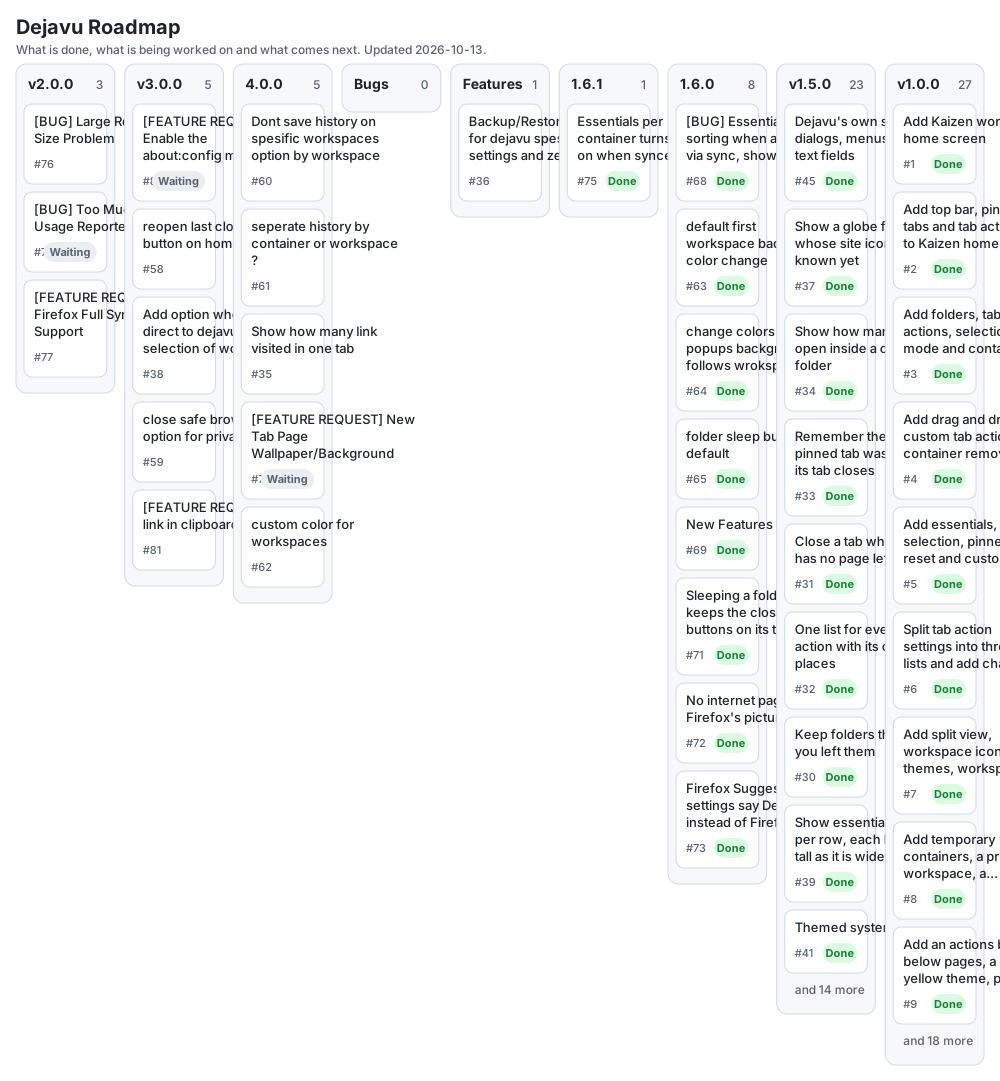
See what is done, what is being worked on and what comes next. The picture follows the Dejavu Roadmap board and updates itself; tap it to open the board.
Dejavu is made of small things that save you time every day.
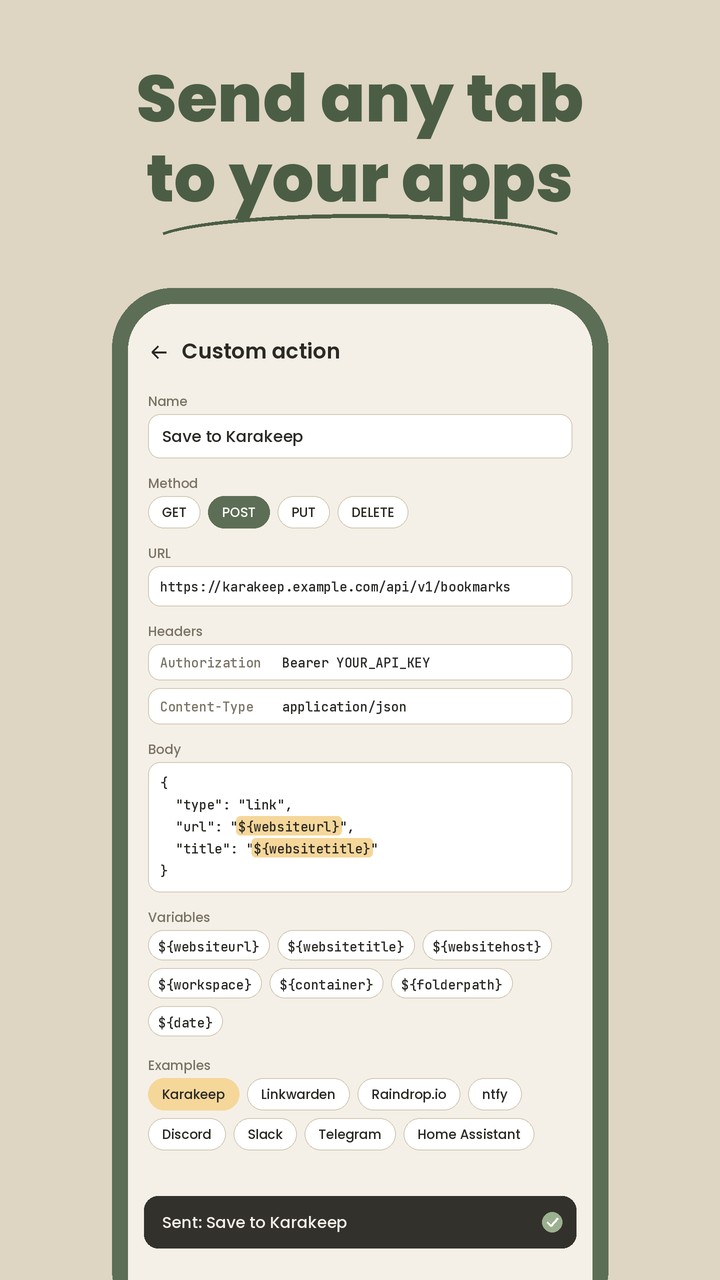
Turn any web service into a button. A custom action sends the page you are on, or every tab you selected, to an app or server you choose: save it to your read-later app, post it in a chat, send it to your phone as a notification or start a home automation.
curl command.${websiteurl}.Choose the workspace and container that links from other apps open in: always the same workspace, the one you saw last, or a private tab. Back takes you straight back to the app you came from.
Feedback goes through GitHub issues. When you open an issue, pick a template and it starts the title for you:
| Title starts with | Use it for |
|---|---|
[BUG] | Something is broken or does not work as expected |
[FEATURE REQUEST] | An idea or an improvement |
New issues show up on the Dejavu Roadmap board, where you can follow what happens to them.
Please search the existing issues first. If yours is already there, add a thumbs up reaction to it instead of opening a new one. Security problems should be reported privately, as SECURITY.md explains.
Pull requests are welcome too. Start the title with the kind of change, [FIX], [FEATURE], [DESIGN],
[TRANSLATION] or [DOCS], and link the issue it solves. CONTRIBUTING.md has the details.
For sponsorship, designs, icon packs, themes, or anything that is not a bug report or a feature request, email byarchitect@disroot.org.
Dejavu is open to contributions of every kind, and we would especially love help with design:
Send designs, icon packs and themes to byarchitect@disroot.org, or open a pull request. CONTRIBUTING.md explains how each of these works and how to build Dejavu.
Dejavu is independent, free and open source, and it has no ads. If you enjoy it, you can buy us a coffee:
We are also open to sponsors. If you or your company want to support Dejavu, email byarchitect@disroot.org and we will get in touch.
This repository is a fork of Mozilla's Firefox repository, kept up to date with it, but Dejavu is developed separately
from Mozilla. The Android app is in mobile/android/fenix, and Dejavu's
own code is in the org.mozilla.fenix.dejavu package. The steps to build it and run it on a phone are in
CONTRIBUTING.md.
Dejavu does not collect your data. The privacy policy explains what stays on your device and what the optional features, like sync, share with Mozilla and your search engine.
Dejavu is licensed under the Mozilla Public License 2.0, like Firefox. Some third-party parts of the code have their own licenses, listed in toolkit/content/license.html.
Dejavu is an independent project, not made or endorsed by Mozilla or the Zen Browser team. Firefox is a trademark of the Mozilla Foundation, and this repository grants no rights to Mozilla's trademarks.

Your tabs, right where you left them
See the code
Your tabs, right where you left them.
An independent Android browser with workspaces, containers and split view.
Dejavu is a browser that adapts to you. Send any tab to your own apps with one tap, edit every button in the menu, choose where links from other apps open, and keep work, study and personal browsing apart in workspaces and containers. Your workspaces, containers and pinned tabs sync with Zen Browser on your computer. It runs on the Gecko engine, supports add-ons and tracking protection, and it is private by default.
Open Dejavu and everything is where you left it, on every device. That feeling of having been here before is where the name comes from.
Dejavu is an independent project. It started as a fork of Firefox for Android (Fenix), Mozilla's open source mobile browser, but it is not a Firefox product, and it is not made, endorsed or supported by Mozilla.
Is Dejavu Zen Browser for Android? No. Zen Browser has no Android app, and Dejavu is not part of Zen or made by the Zen team. It is a separate Android browser that can sync with Zen: if you use Zen on your computer, your workspaces, containers and pinned tabs show up on your phone too. Sync is the only thing the two share.
Dejavu needs Android 8.0 or newer on a 64-bit phone, which almost every phone from recent years is.
F-Droid (recommended): Dejavu is in the ByArchitect F-Droid repository, and F-Droid keeps it up to date. In F-Droid, open Repositories, tap + and scan the QR code, or open this link on your phone to add the repository. Then search for Dejavu.
APK: download dejavu-<version>-arm64-v8a.apk from the
latest release. It does not update itself, so use F-Droid
to get new versions.
Google Play: in testing right now. The public release is planned for late October 2026.
iOS: We are working on an iOS app. News about it will be shared here.
See what is done, what is being worked on and what comes next. The picture follows the Dejavu Roadmap board and updates itself; tap it to open the board.
Dejavu is made of small things that save you time every day.
Turn any web service into a button. A custom action sends the page you are on, or every tab you selected, to an app or server you choose: save it to your read-later app, post it in a chat, send it to your phone as a notification or start a home automation.
curl command.${websiteurl}.Choose the workspace and container that links from other apps open in: always the same workspace, the one you saw last, or a private tab. Back takes you straight back to the app you came from.
Feedback goes through GitHub issues. When you open an issue, pick a template and it starts the title for you:
| Title starts with | Use it for |
|---|---|
[BUG] | Something is broken or does not work as expected |
[FEATURE REQUEST] | An idea or an improvement |
New issues show up on the Dejavu Roadmap board, where you can follow what happens to them.
Please search the existing issues first. If yours is already there, add a thumbs up reaction to it instead of opening a new one. Security problems should be reported privately, as SECURITY.md explains.
Pull requests are welcome too. Start the title with the kind of change, [FIX], [FEATURE], [DESIGN],
[TRANSLATION] or [DOCS], and link the issue it solves. CONTRIBUTING.md has the details.
For sponsorship, designs, icon packs, themes, or anything that is not a bug report or a feature request, email byarchitect@disroot.org.
Dejavu is open to contributions of every kind, and we would especially love help with design:
Send designs, icon packs and themes to byarchitect@disroot.org, or open a pull request. CONTRIBUTING.md explains how each of these works and how to build Dejavu.
Dejavu is independent, free and open source, and it has no ads. If you enjoy it, you can buy us a coffee:
We are also open to sponsors. If you or your company want to support Dejavu, email byarchitect@disroot.org and we will get in touch.
This repository is a fork of Mozilla's Firefox repository, kept up to date with it, but Dejavu is developed separately
from Mozilla. The Android app is in mobile/android/fenix, and Dejavu's
own code is in the org.mozilla.fenix.dejavu package. The steps to build it and run it on a phone are in
CONTRIBUTING.md.
Dejavu does not collect your data. The privacy policy explains what stays on your device and what the optional features, like sync, share with Mozilla and your search engine.
Dejavu is licensed under the Mozilla Public License 2.0, like Firefox. Some third-party parts of the code have their own licenses, listed in toolkit/content/license.html.
Dejavu is an independent project, not made or endorsed by Mozilla or the Zen Browser team. Firefox is a trademark of the Mozilla Foundation, and this repository grants no rights to Mozilla's trademarks.





