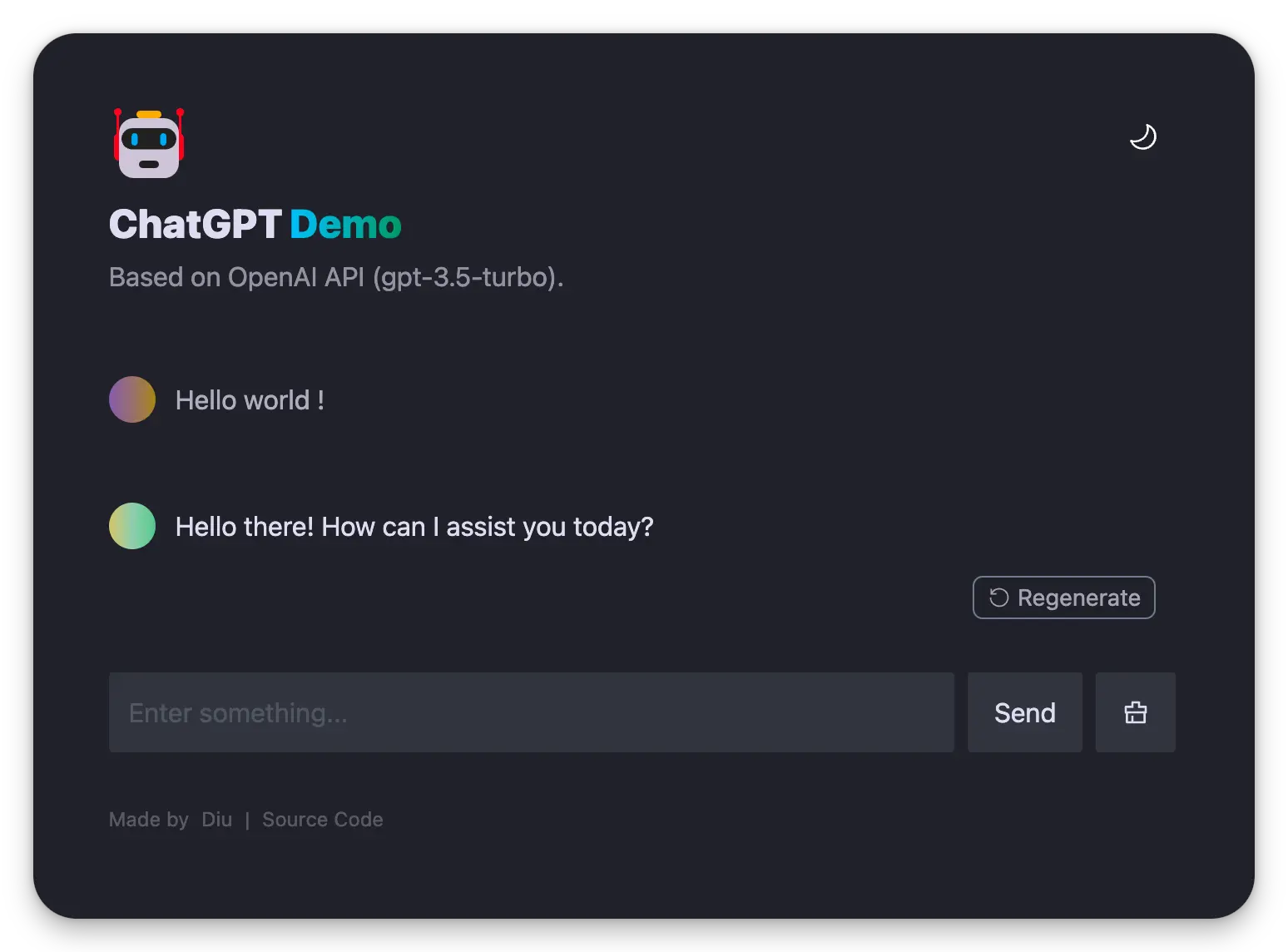
Minimal web UI for ChatGPT.
See the codeEnglish | 简体中文
A demo repo based on OpenAI GPT-3.5 Turbo API.
🍿 Live preview: https://chatgpt.ddiu.me
⚠️ Notice: Our API Key limit has been exhausted. So the demo site is not available now.
AnseLooking for multi-chat, image-generation, and more powerful features? Take a look at our newly launched Anse.
More info on https://github.com/ddiu8081/chatgpt-demo/discussions/247.

Node v18 or later. You can use nvm to manage multiple node versions locally.
node -v
npm i -g pnpm
pnpm install
.env.example file, then rename it to .env, and add your OpenAI API key to the .env file.
OPENAI_API_KEY=sk-xxx...
http://localhost:3000/
pnpm run dev
🔒 Need website password?
Deploy with the
SITE_PASSWORD
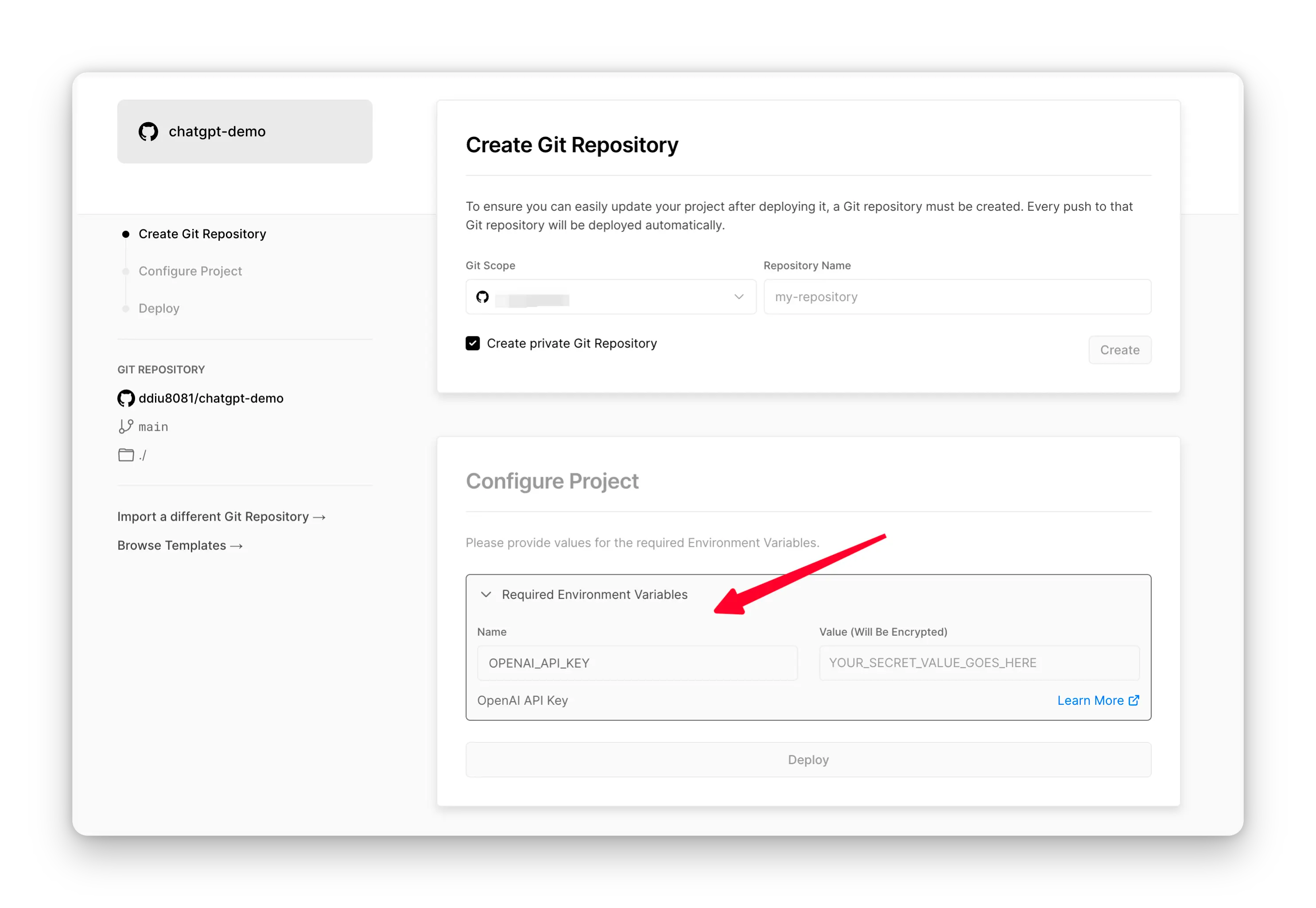

Step-by-step deployment tutorial:
forked done, and connect it with your GitHub account.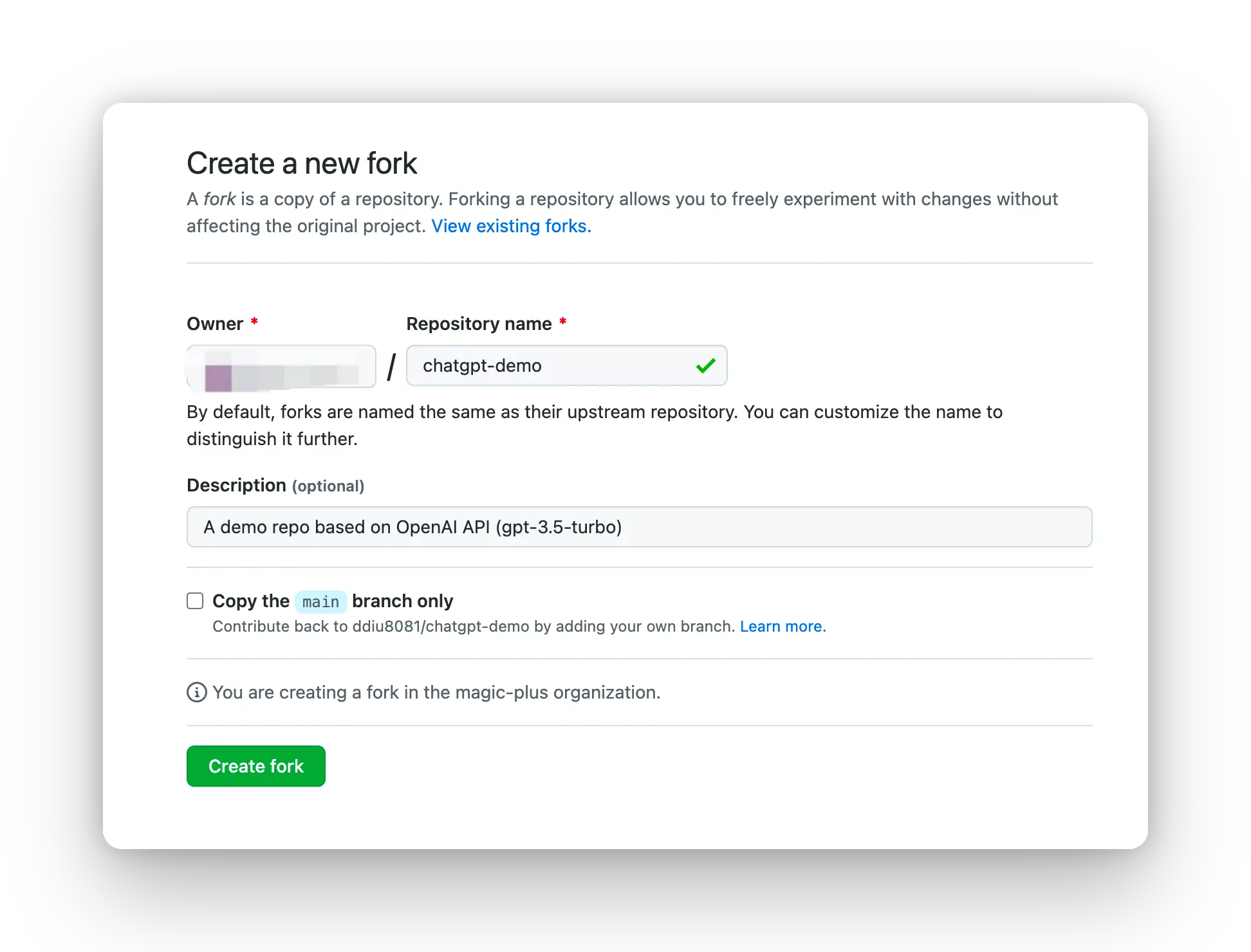
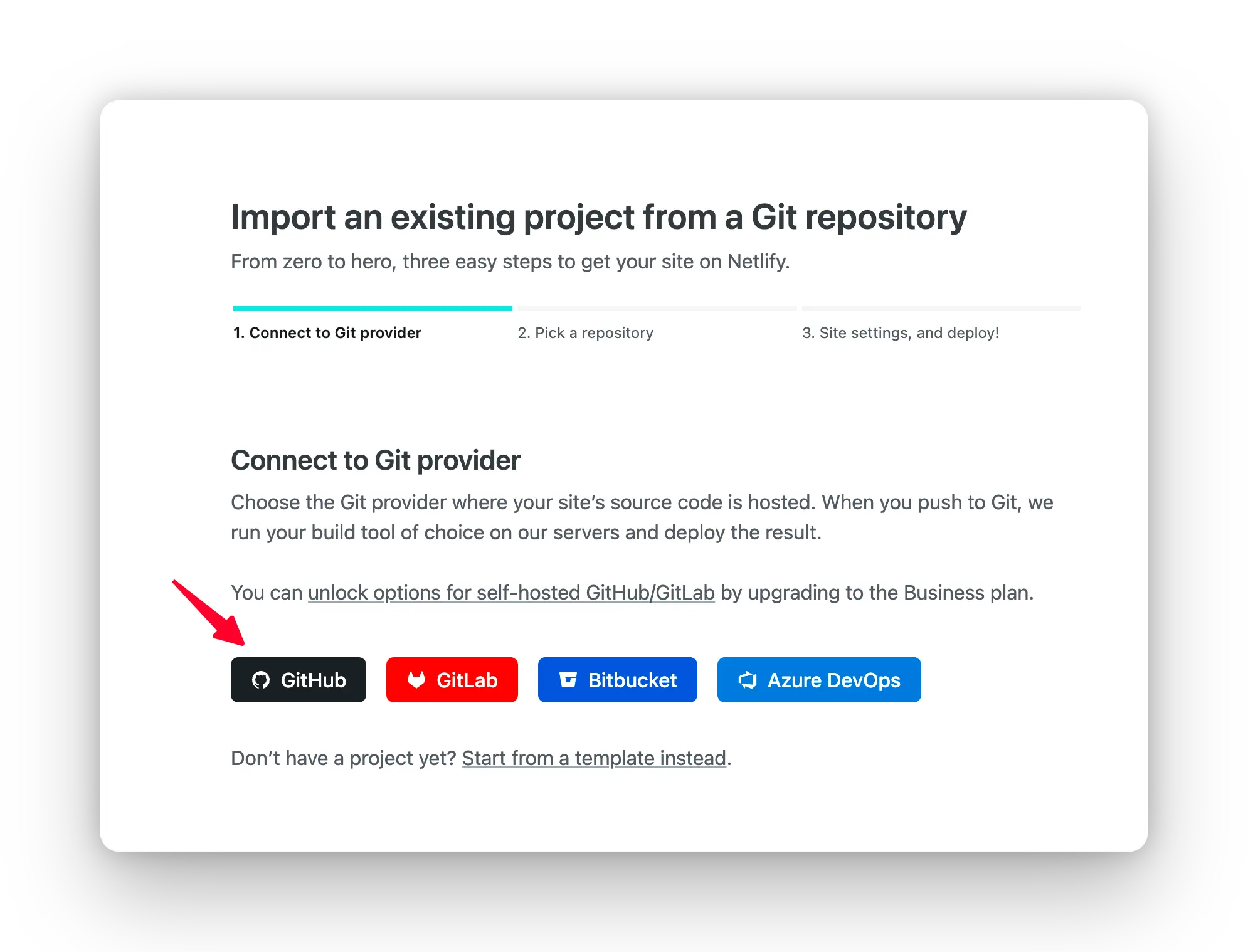
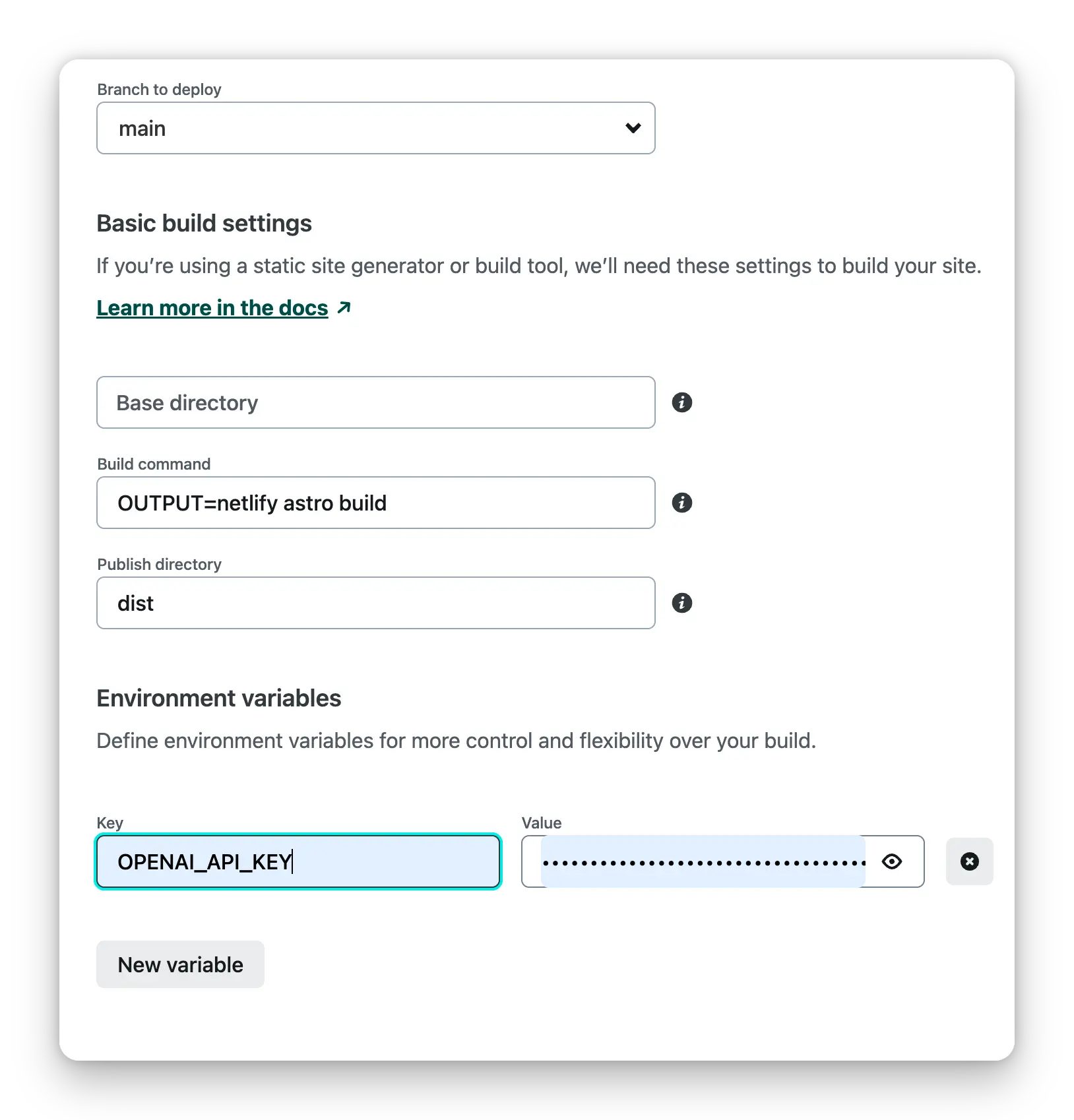
Deploy Site button to start deploying the site.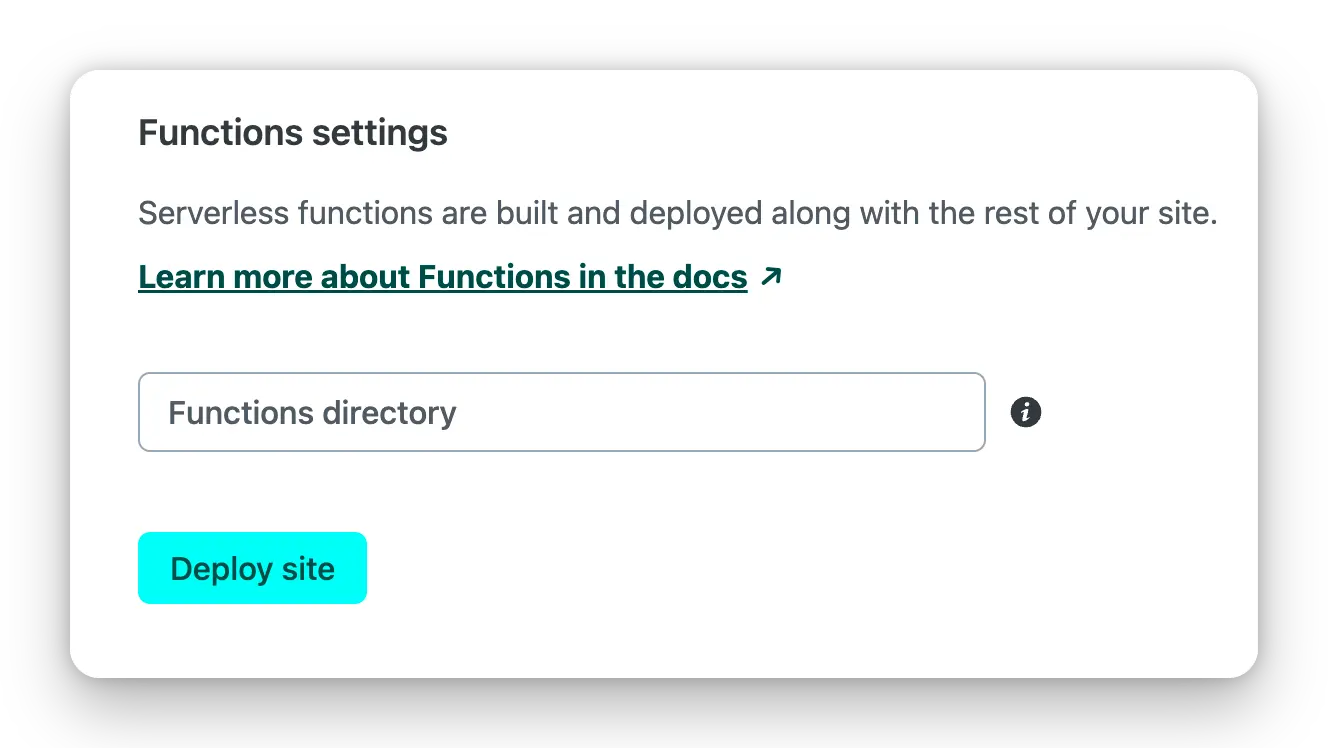
Environment variables refer to the documentation below. Docker Hub address.
Direct run
docker run --name=chatgpt-demo -e OPENAI_API_KEY=YOUR_OPEN_API_KEY -p 3000:3000 -d ddiu8081/chatgpt-demo:latest
-e define environment variables in the container.
Docker compose
version: '3'

services:
  chatgpt-demo:
    image: ddiu8081/chatgpt-demo:latest
    container_name: chatgpt-demo
    restart: always
    ports:
      - '3000:3000'
    environment:
      - OPENAI_API_KEY=YOUR_OPEN_API_KEY
      # - HTTPS_PROXY=YOUR_HTTPS_PROXY
      # - OPENAI_API_BASE_URL=YOUR_OPENAI_API_BASE_URL
      # - HEAD_SCRIPTS=YOUR_HEAD_SCRIPTS
      # - PUBLIC_SECRET_KEY=YOUR_SECRET_KEY
      # - SITE_PASSWORD=YOUR_SITE_PASSWORD
      # - OPENAI_API_MODEL=YOUR_OPENAI_API_MODEL
# start
docker compose up -d
# down
docker-compose down
1.Register a Sealos account for free sealos cloud
2.Click App Launchpad button
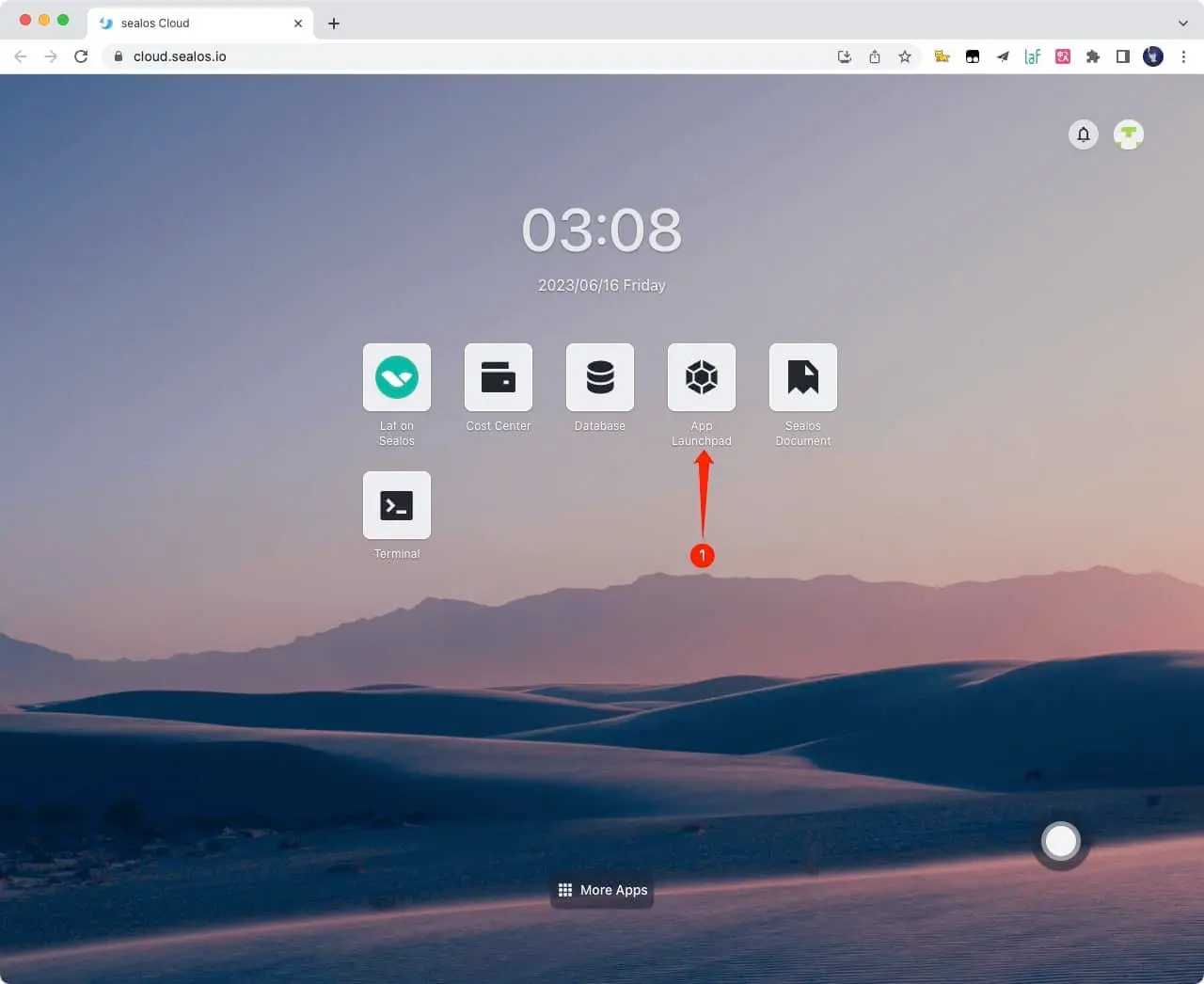
3.Click Create Application button
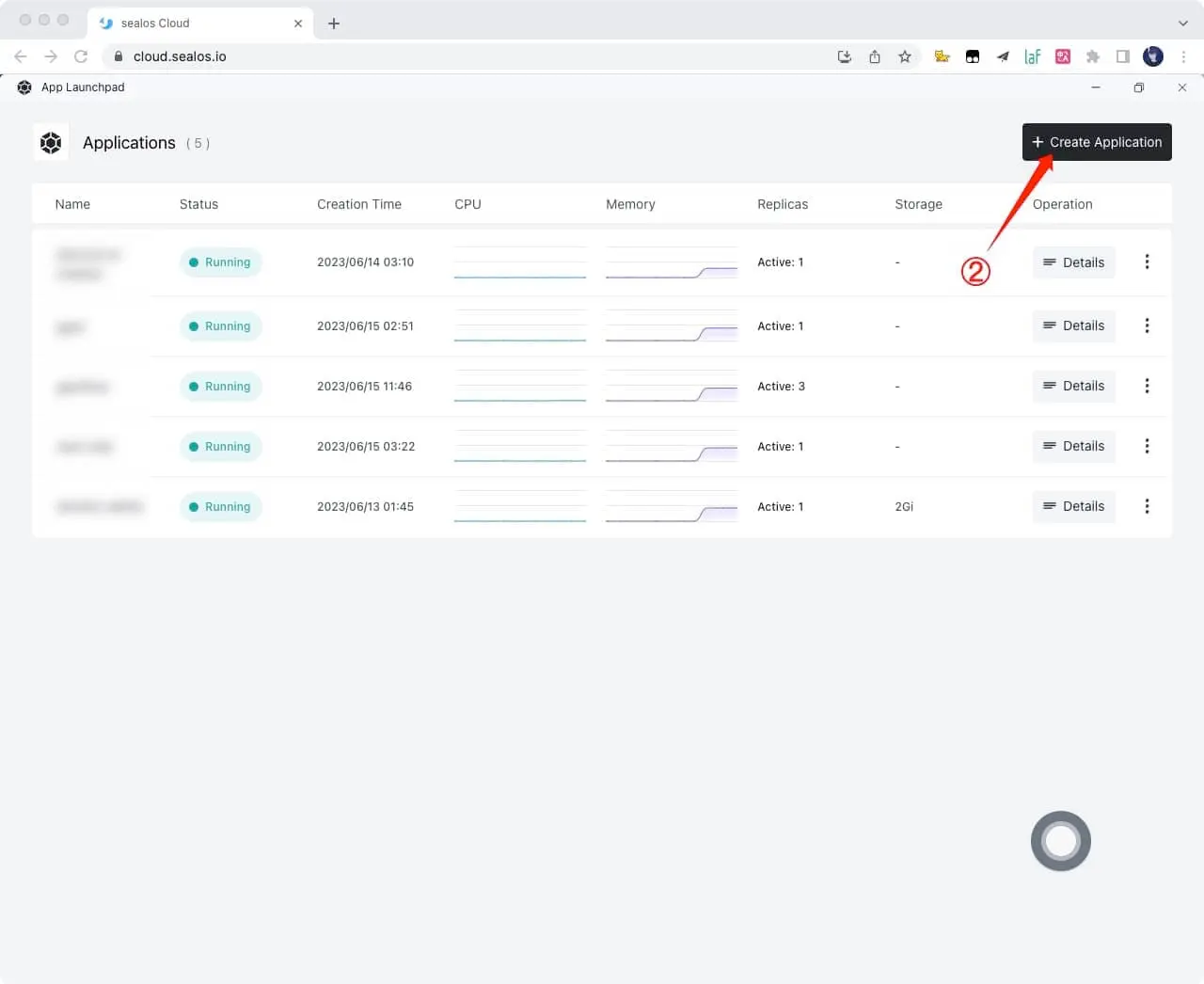
4.Just fill in according to the following figure, and click on it after filling out Deploy Application button
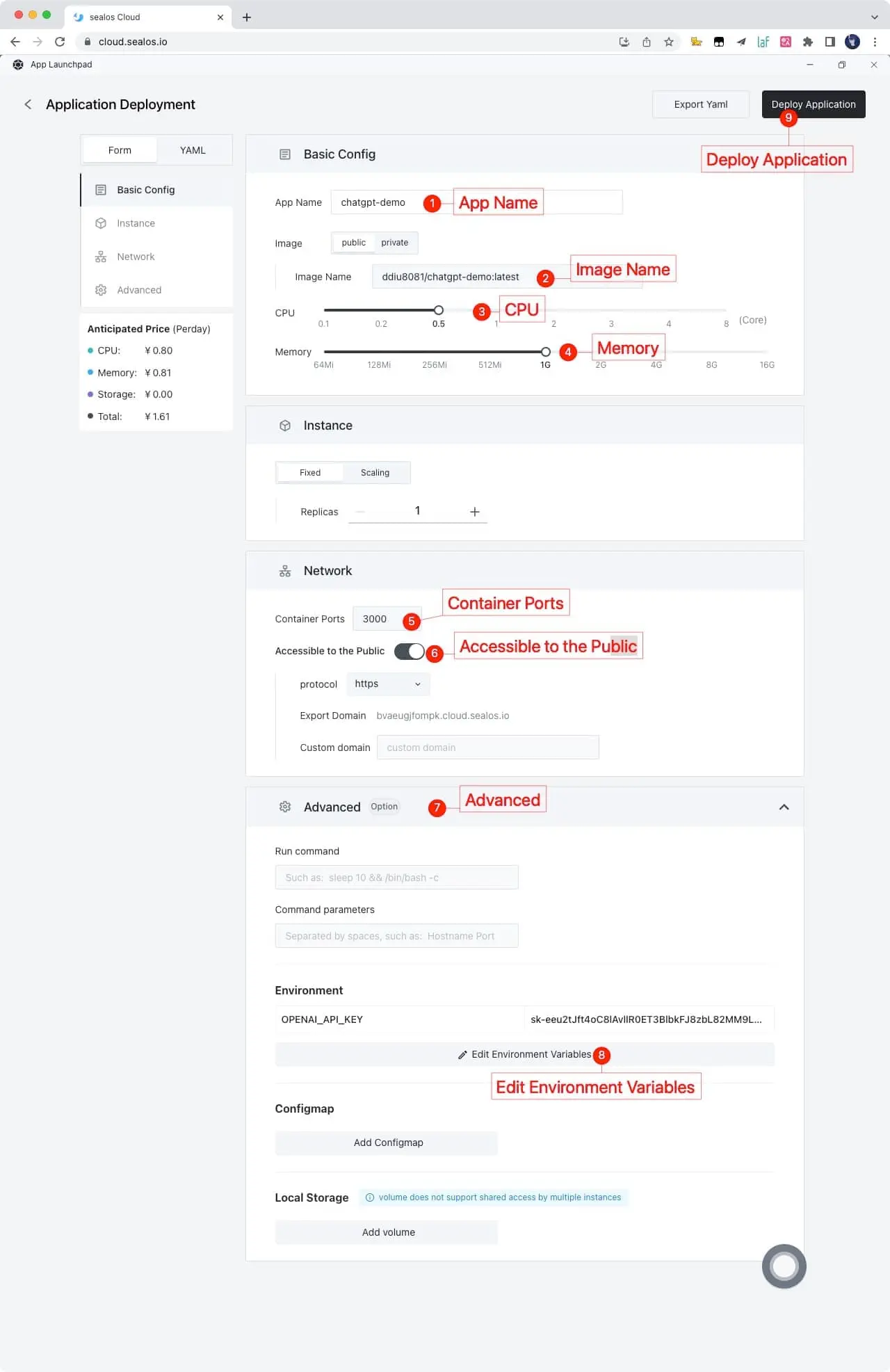
App Name: chatgpt-demo
Image Name: ddiu8081/chatgpt-demo:latest
CPU: 0.5Core
Memory: 1G
Container Ports: 3000
Accessible to the Public: On
Environment: OPENAI_API_KEY=YOUR_OPEN_API_KEY
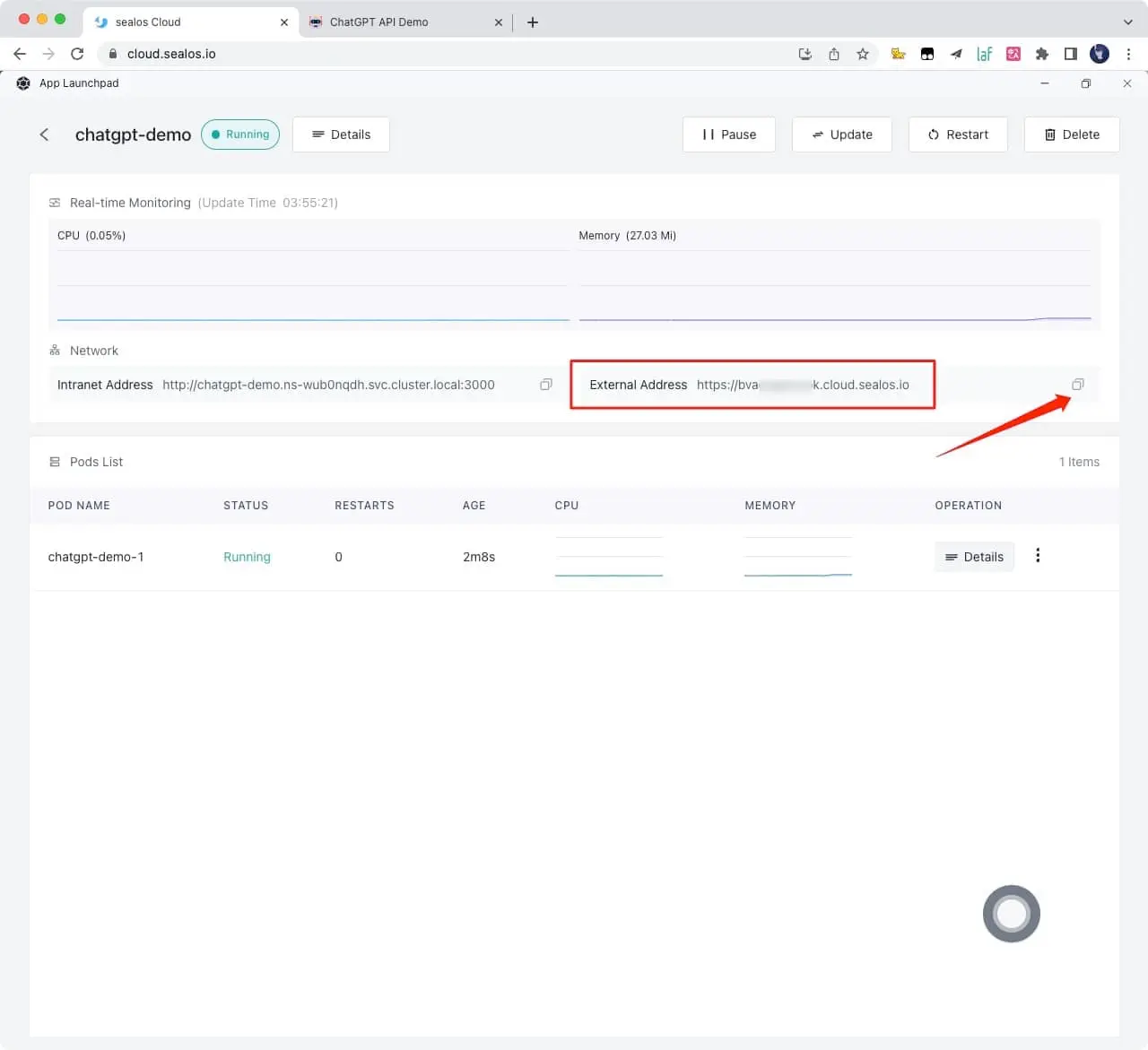
5.Obtain the access link and click directly to access it. If you need to bind your own domain name, you can also fill in your own domain name in Custom domain and follow the prompts to configure the domain name CNAME
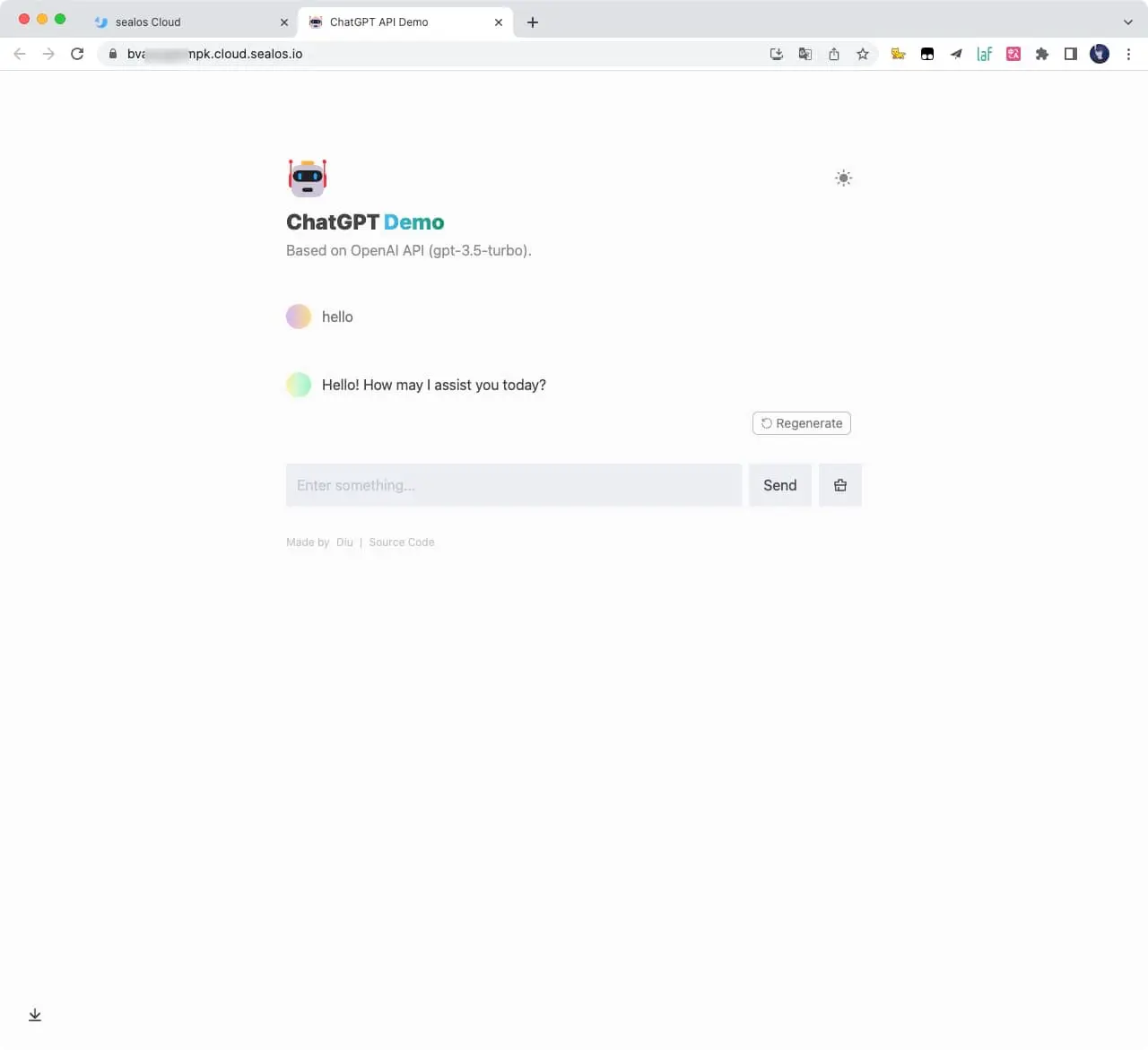
6.Wait for one to two minutes and open this link
Please refer to the official deployment documentation: https://docs.astro.build/en/guides/deploy
You can control the website through environment variables.
| Name | Description | Default |
|---|---|---|
OPENAI_API_KEY | Your API Key for OpenAI. | null |
HTTPS_PROXY | Provide proxy for OpenAI API. e.g. http://127.0.0.1:7890 | null |
OPENAI_API_BASE_URL | Custom base url for OpenAI API. | https://api.openai.com |
HEAD_SCRIPTS | Inject analytics or other scripts before </head> of the page | null |
PUBLIC_SECRET_KEY | Secret string for the project. Use for generating signatures for API calls | null |
SITE_PASSWORD | Set password for site, support multiple password separated by comma. If not set, site will be public | null |
OPENAI_API_MODEL | ID of the model to use. List models | gpt-3.5-turbo |
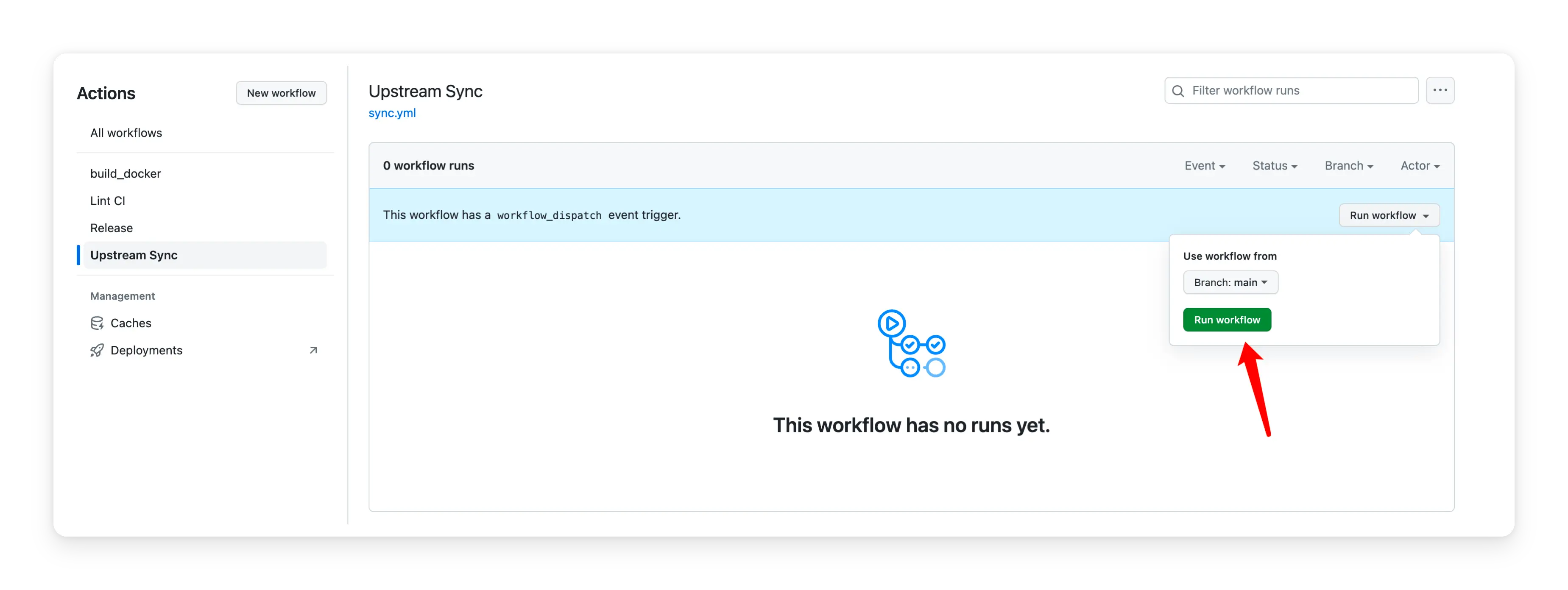
After forking the project, you need to manually enable Workflows and Upstream Sync Action on the Actions page of the forked project. Once enabled, automatic updates will be scheduled every day:
Q: TypeError: fetch failed (can't connect to OpenAI Api)
A: Configure environment variables HTTPS_PROXY,reference: https://github.com/ddiu8081/chatgpt-demo/issues/34
Q: throw new TypeError(${context} is not a ReadableStream.)
A: The Node version needs to be v18 or later, reference: https://github.com/ddiu8081/chatgpt-demo/issues/65
Q: Accelerate domestic access without the need for proxy deployment tutorial?
A: You can refer to this tutorial: https://github.com/ddiu8081/chatgpt-demo/discussions/270
This project exists thanks to all those who contributed.
Thank you to all our supporters!🙏
MIT © ddiu8081
(top 24 of 27)
10,619 followers · starred Mar 2023
1,833 followers · starred Mar 2023
148 followers · starred Mar 2023
268 followers · starred Mar 2023
Minimal web UI for ChatGPT.
See the codeEnglish | 简体中文
A demo repo based on OpenAI GPT-3.5 Turbo API.
🍿 Live preview: https://chatgpt.ddiu.me
⚠️ Notice: Our API Key limit has been exhausted. So the demo site is not available now.
AnseLooking for multi-chat, image-generation, and more powerful features? Take a look at our newly launched Anse.
More info on https://github.com/ddiu8081/chatgpt-demo/discussions/247.
Node v18 or later. You can use nvm to manage multiple node versions locally.
node -v
npm i -g pnpm
pnpm install
.env.example file, then rename it to .env, and add your OpenAI API key to the .env file.
OPENAI_API_KEY=sk-xxx...
http://localhost:3000/
pnpm run dev
🔒 Need website password?
Deploy with the
SITE_PASSWORD
Step-by-step deployment tutorial:
forked done, and connect it with your GitHub account.
Deploy Site button to start deploying the site.
Environment variables refer to the documentation below. Docker Hub address.
Direct run
docker run --name=chatgpt-demo -e OPENAI_API_KEY=YOUR_OPEN_API_KEY -p 3000:3000 -d ddiu8081/chatgpt-demo:latest
-e define environment variables in the container.
Docker compose
version: '3'

services:
  chatgpt-demo:
    image: ddiu8081/chatgpt-demo:latest
    container_name: chatgpt-demo
    restart: always
    ports:
      - '3000:3000'
    environment:
      - OPENAI_API_KEY=YOUR_OPEN_API_KEY
      # - HTTPS_PROXY=YOUR_HTTPS_PROXY
      # - OPENAI_API_BASE_URL=YOUR_OPENAI_API_BASE_URL
      # - HEAD_SCRIPTS=YOUR_HEAD_SCRIPTS
      # - PUBLIC_SECRET_KEY=YOUR_SECRET_KEY
      # - SITE_PASSWORD=YOUR_SITE_PASSWORD
      # - OPENAI_API_MODEL=YOUR_OPENAI_API_MODEL
# start
docker compose up -d
# down
docker-compose down
1.Register a Sealos account for free sealos cloud
2.Click App Launchpad button
3.Click Create Application button
4.Just fill in according to the following figure, and click on it after filling out Deploy Application button
App Name: chatgpt-demo
Image Name: ddiu8081/chatgpt-demo:latest
CPU: 0.5Core
Memory: 1G
Container Ports: 3000
Accessible to the Public: On
Environment: OPENAI_API_KEY=YOUR_OPEN_API_KEY
5.Obtain the access link and click directly to access it. If you need to bind your own domain name, you can also fill in your own domain name in Custom domain and follow the prompts to configure the domain name CNAME
6.Wait for one to two minutes and open this link
Please refer to the official deployment documentation: https://docs.astro.build/en/guides/deploy
You can control the website through environment variables.
| Name | Description | Default |
|---|---|---|
OPENAI_API_KEY | Your API Key for OpenAI. | null |
HTTPS_PROXY | Provide proxy for OpenAI API. e.g. http://127.0.0.1:7890 | null |
OPENAI_API_BASE_URL | Custom base url for OpenAI API. | https://api.openai.com |
HEAD_SCRIPTS | Inject analytics or other scripts before </head> of the page | null |
PUBLIC_SECRET_KEY | Secret string for the project. Use for generating signatures for API calls | null |
SITE_PASSWORD | Set password for site, support multiple password separated by comma. If not set, site will be public | null |
OPENAI_API_MODEL | ID of the model to use. List models | gpt-3.5-turbo |
After forking the project, you need to manually enable Workflows and Upstream Sync Action on the Actions page of the forked project. Once enabled, automatic updates will be scheduled every day:
Q: TypeError: fetch failed (can't connect to OpenAI Api)
A: Configure environment variables HTTPS_PROXY,reference: https://github.com/ddiu8081/chatgpt-demo/issues/34
Q: throw new TypeError(${context} is not a ReadableStream.)
A: The Node version needs to be v18 or later, reference: https://github.com/ddiu8081/chatgpt-demo/issues/65
Q: Accelerate domestic access without the need for proxy deployment tutorial?
A: You can refer to this tutorial: https://github.com/ddiu8081/chatgpt-demo/discussions/270
This project exists thanks to all those who contributed.
Thank you to all our supporters!🙏
MIT © ddiu8081
(top 24 of 27)
10,619 followers · starred Mar 2023
1,833 followers · starred Mar 2023
148 followers · starred Mar 2023
268 followers · starred Mar 2023