Final Year Project | Cyber Threat Intelligence (CTI) Web-based Application
TypeScript
1
30 commits
updated Jun 11, 2025
Cyber Threat Intelligence Monitoring System
Final Year Project • Bachelor of Computer Science (Hons) (Artificial Intelligence)




CyberHolmes is a full-stack, web-based Cyber Threat Intelligence (CTI) monitoring system developed as part of Final Year Project (FYP) for the completion of Bachelor of Computer Science (Honours) (Artificial Intelligence).
The project focuses on detecting and analysing posts that may pose cyber threats by applying advanced natural language processing techniques. It automates the collection of textual data from both clear and dark web forums, followed by prediction and analysis of potential threats using machine learning and deep learning models. The goal is to provide cybersecurity professionals and researchers with actionable intelligence through an interactive dashboard and evaluation, enabling more effective threat monitoring and response.
1. Data Collection
Scrapy with Tor proxy integration to ensure anonymity.2. Threat Prediction
scikit-learn to classify text-based data and identify potential cyber threats.3. Threat Analysis
Hugging Face to perform advanced text analysis on collected data.cvss package and MITRE ATT&CK framework data via the attackcti package.| Layer | Technology |
|---|---|
| Frontend | Next.js |
| Backend | Django |
| Database | SQLite |
| Web Server | NGINX |
/CyberHolmes
│
├── backend/                # Django backend application
│ |── analysis/             # Threat prediction and analysis processes (ML + DL)
│ |── config/               # Django project configuration
│ |── crawler/              # Scrapy-based crawlers for data collection
│ |── main/                 # Core app for main logics and API endpoints
│ |── .gitignore/           # Git ignore rules for backend
│ |── Dockerfile/           # Docker setup for backend service
│ |── manage.py/            # Django project management script
│ |── requirements.txt/     # Python dependencies
│ └── torrc/                # Tor configuration
|
├── frontend/               # Next.js frontend application
│ |── app/                  # App routing and page definitions
│ |── components/           # Reusable React UI components
│ |── config/               # Frontend configuration
│ |── lib/                  # Utility functions and hooks
│ |── styles/               # Global and component-specific CSS styles
│ |── .gitignore/           # Git ignore rules for frontend
│ └── Dockerfile/           # Docker setup for frontend service
|
├── nginx/                  # nginx configuration for reverse proxy
├── docker-compose.yml      # Docker container orchestration
├── LICENSE
└── README.md
git clone https://github.com/rydzze/CyberHolmes.git
cd CyberHolmes
Create .env files for both backend and frontend. Use the provided templates or set your own keys.
backend/.env
DEBUG=True
SECRET_KEY=your-secret-key ¯\_(ツ)_/¯
frontend/.env
# If run locally:
NEXT_PUBLIC_API_URL=http://localhost:3001/api

# If run remotely:
NEXT_PUBLIC_API_URL=/api
From the root of the project directory:
docker-compose up --build -d
The frontend can be accessed at http://localhost:3000
The backend API can be accessed at http://localhost:3001/api
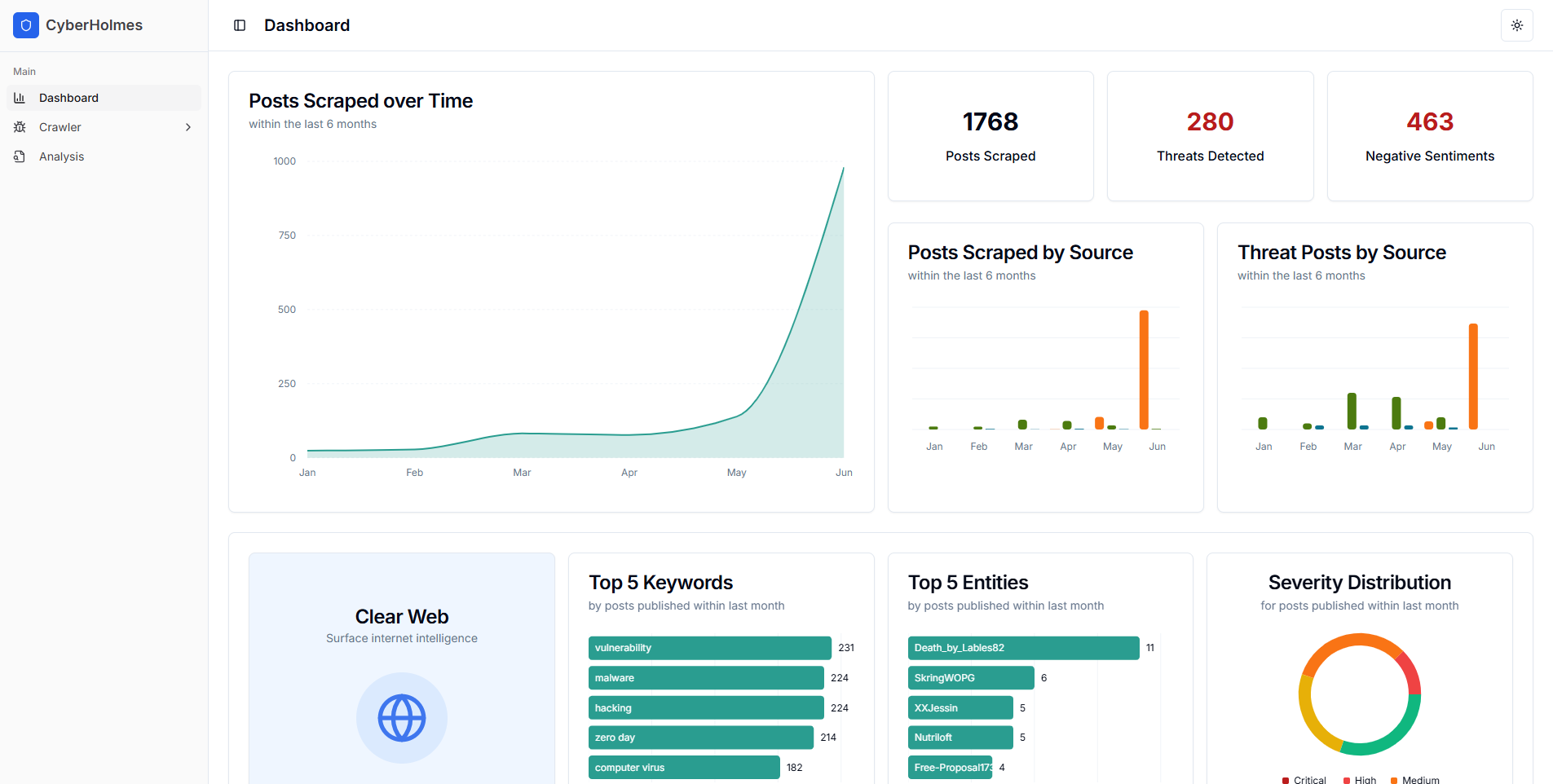
Figure 1: Dashboard overview (light theme)
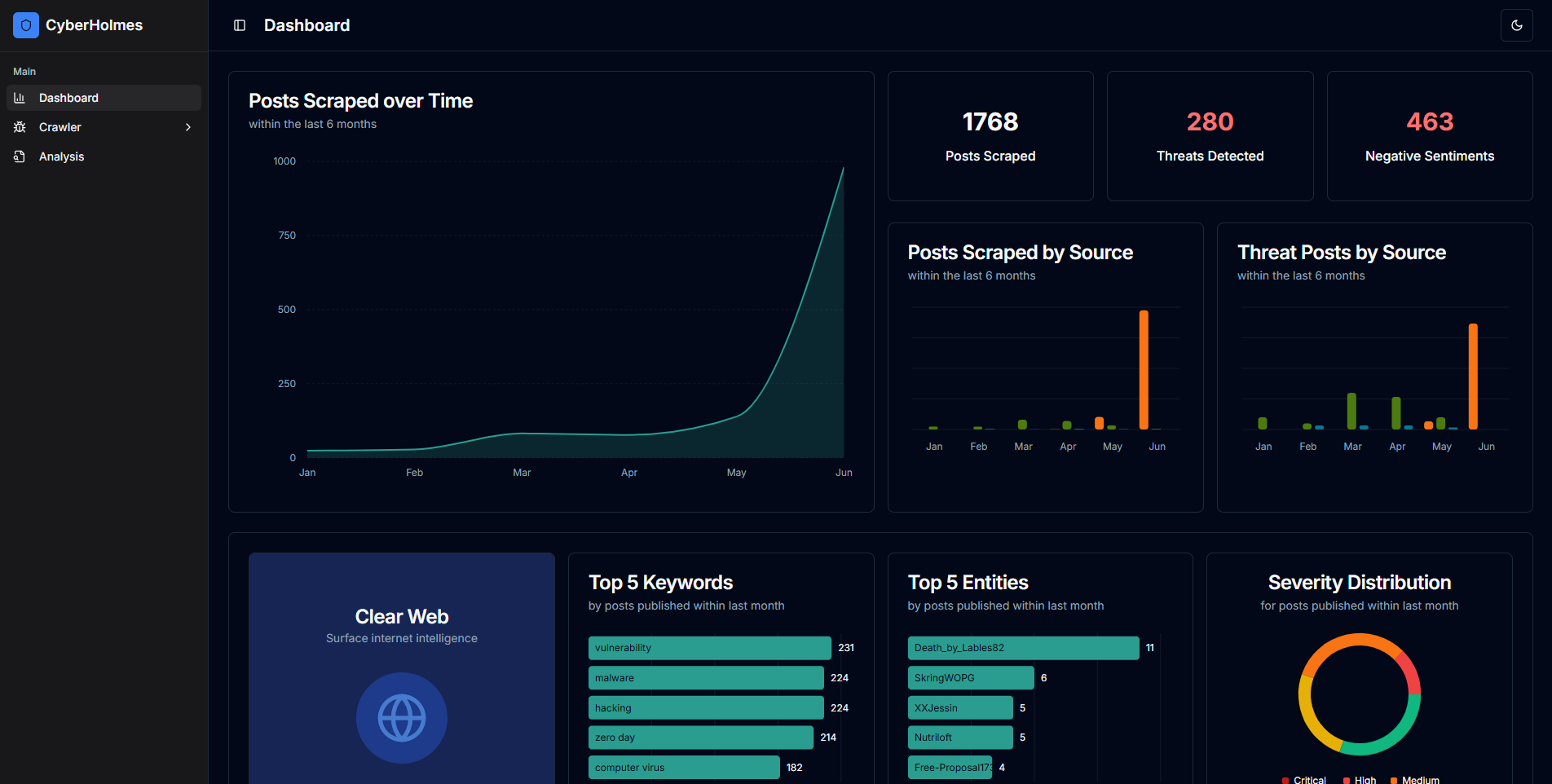
Figure 2: Dashboard overview (dark theme)
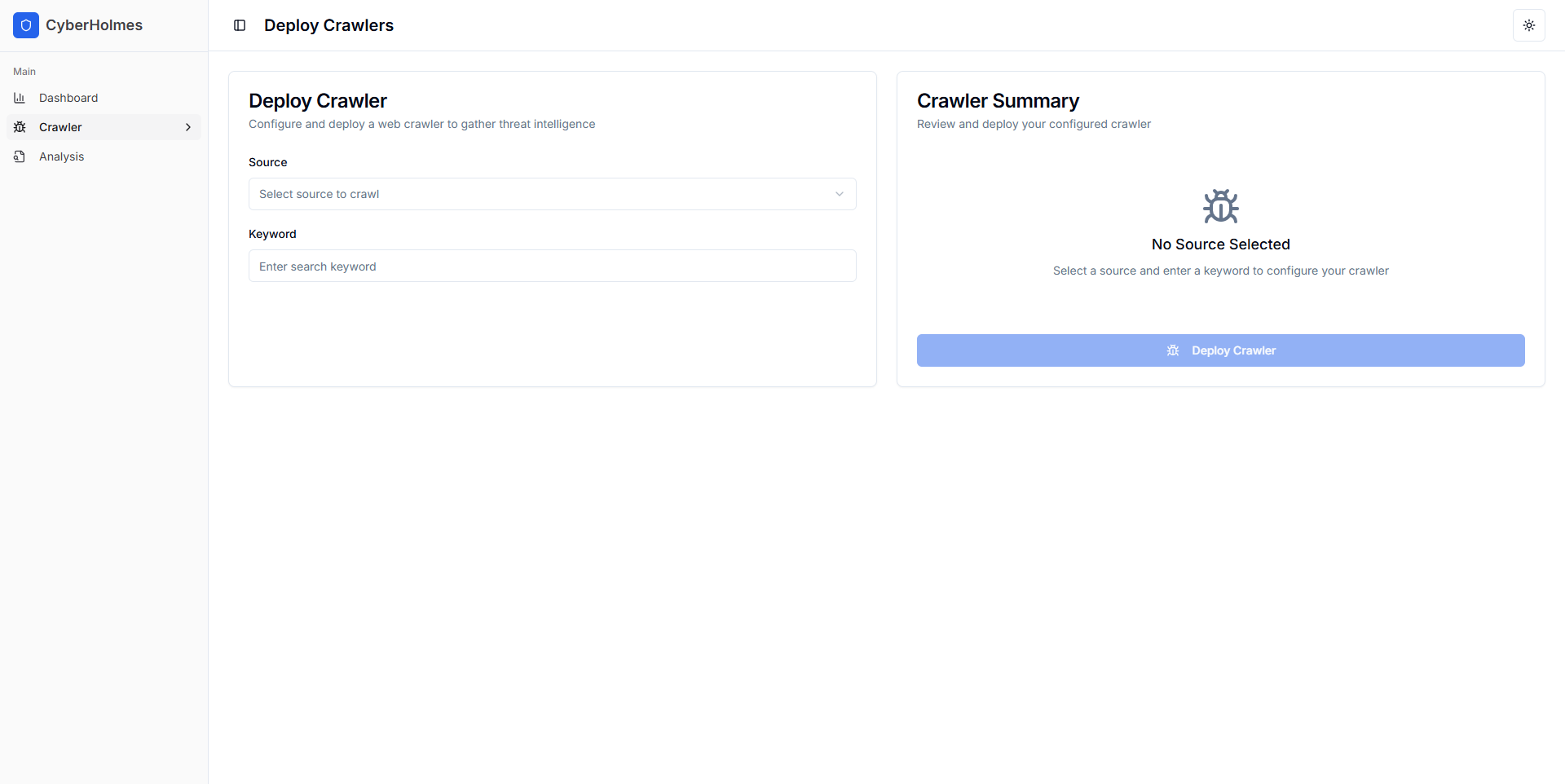
Figure 3: Deploying crawlers to collect threat intelligence
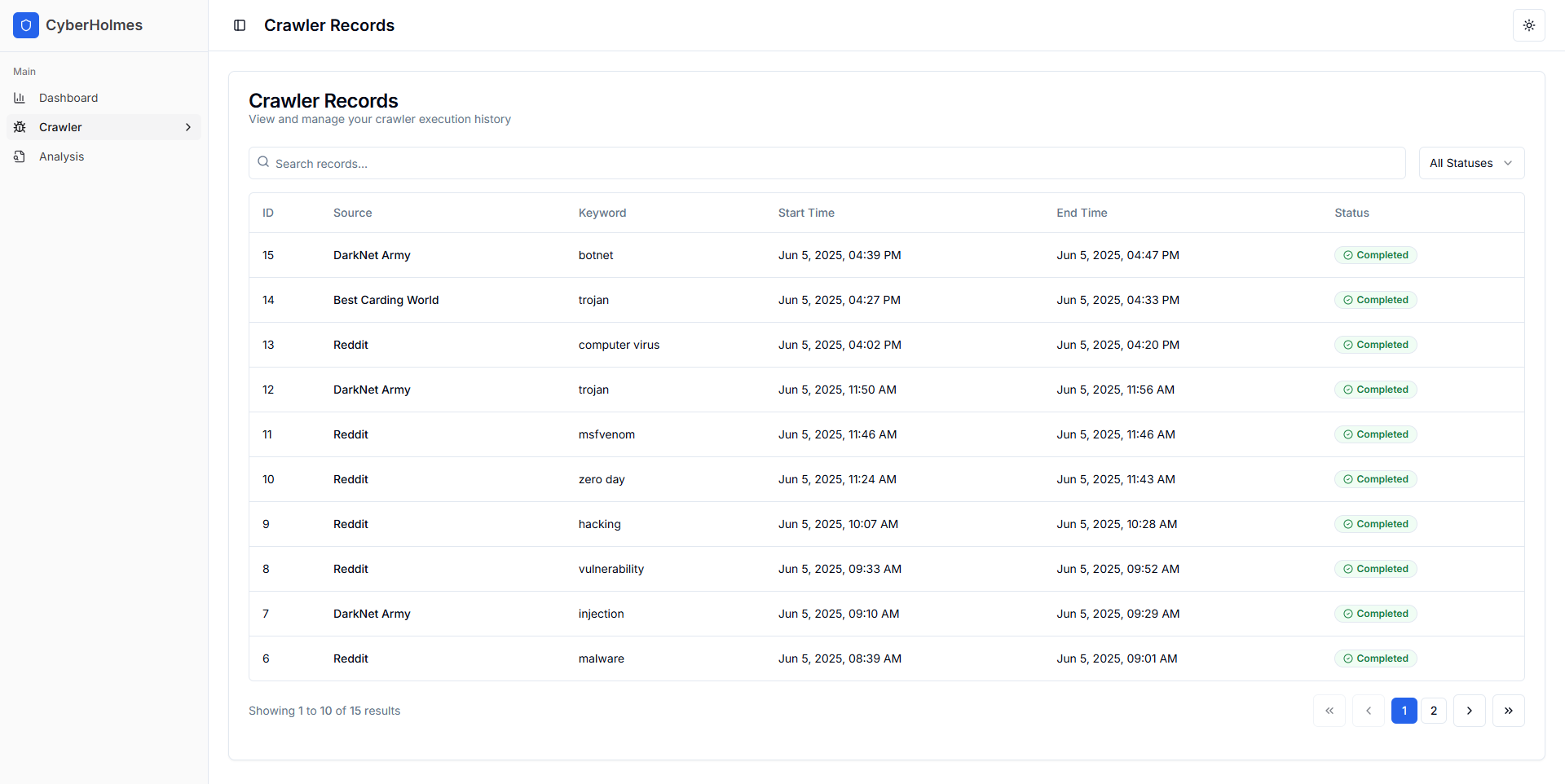
Figure 4: Viewing collected crawler records
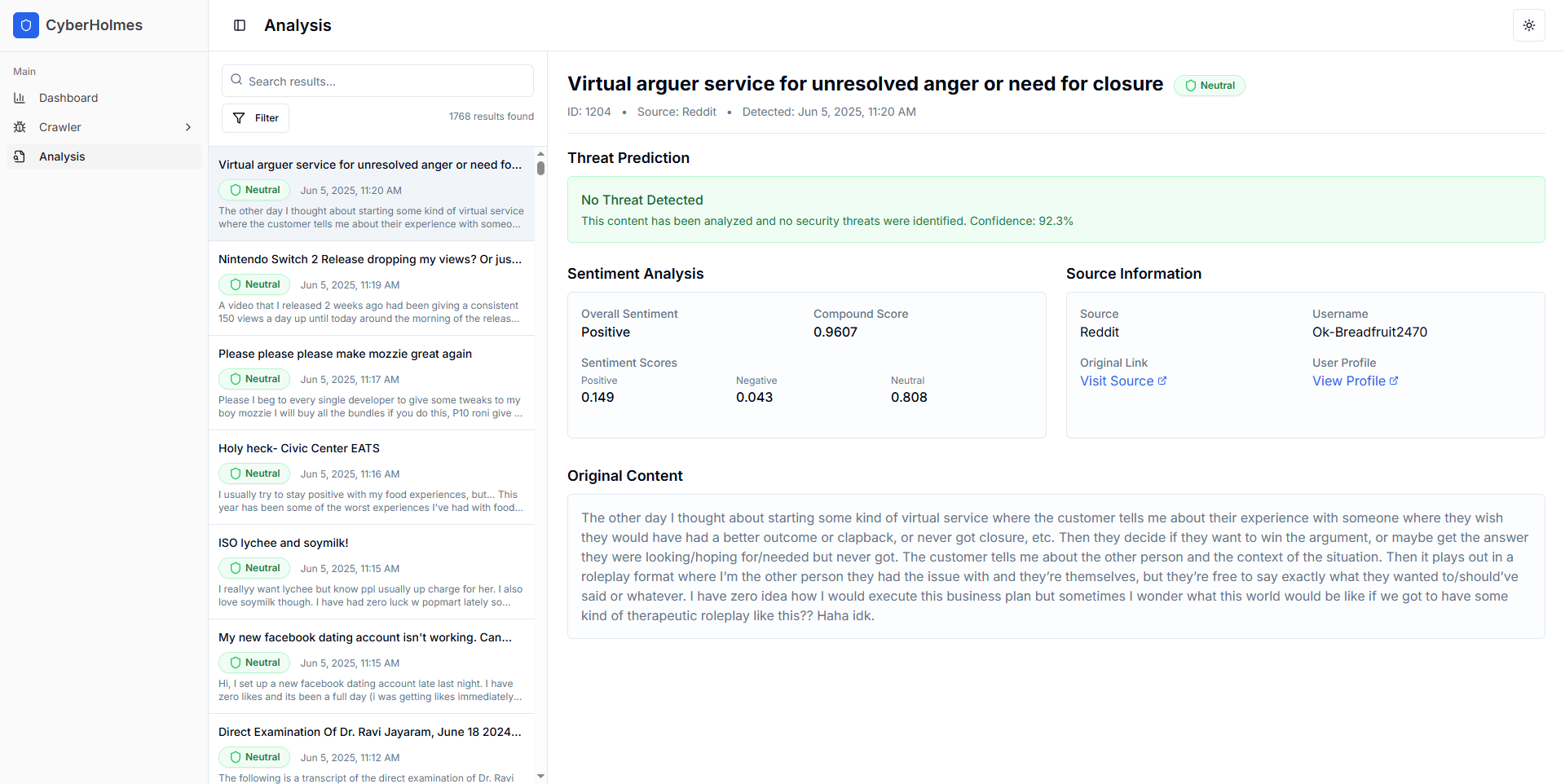
Figure 5: Analysis result for a non-threatening post (light theme)
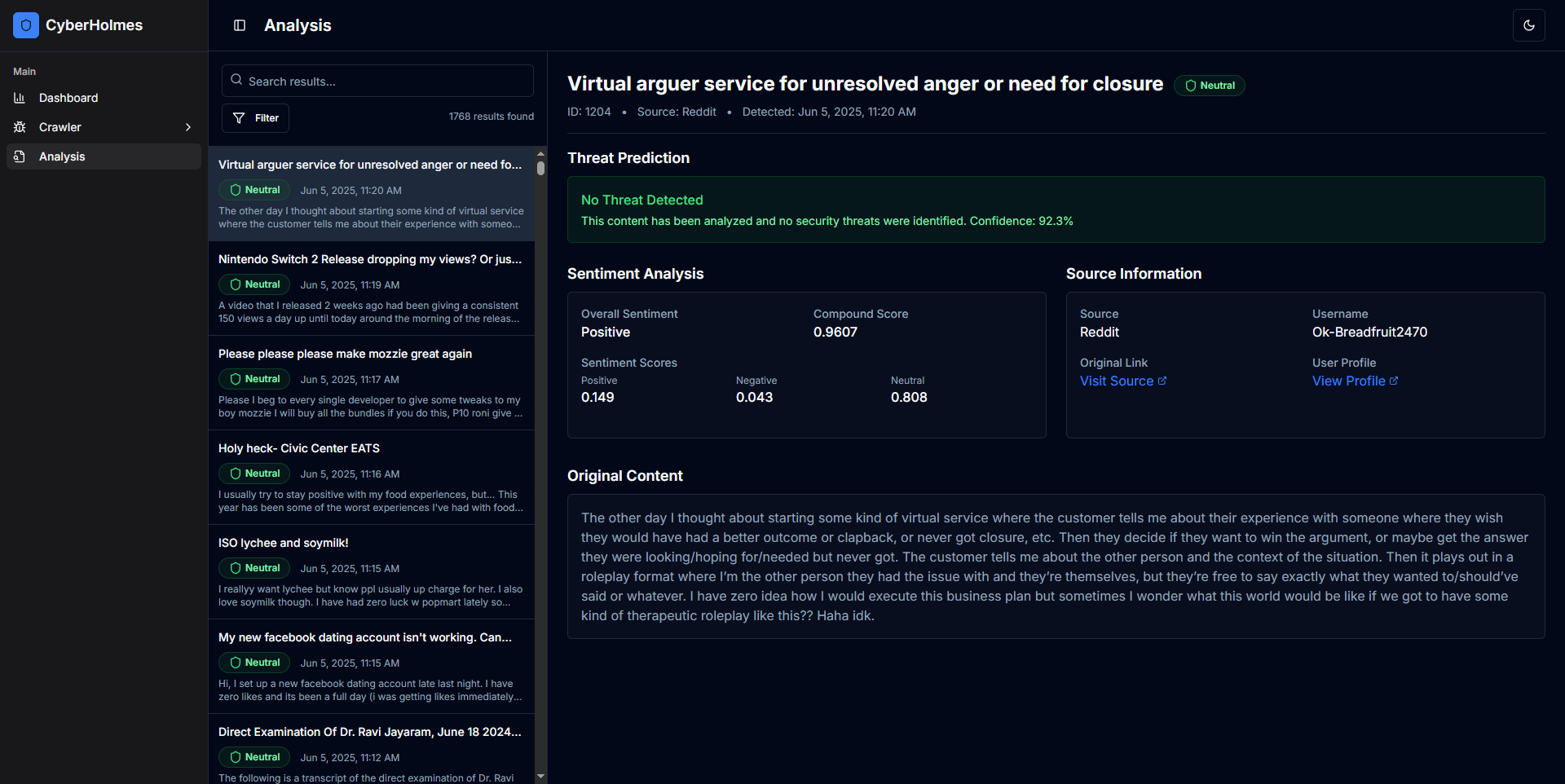
Figure 6: Analysis result for a non-threatening post (dark theme)
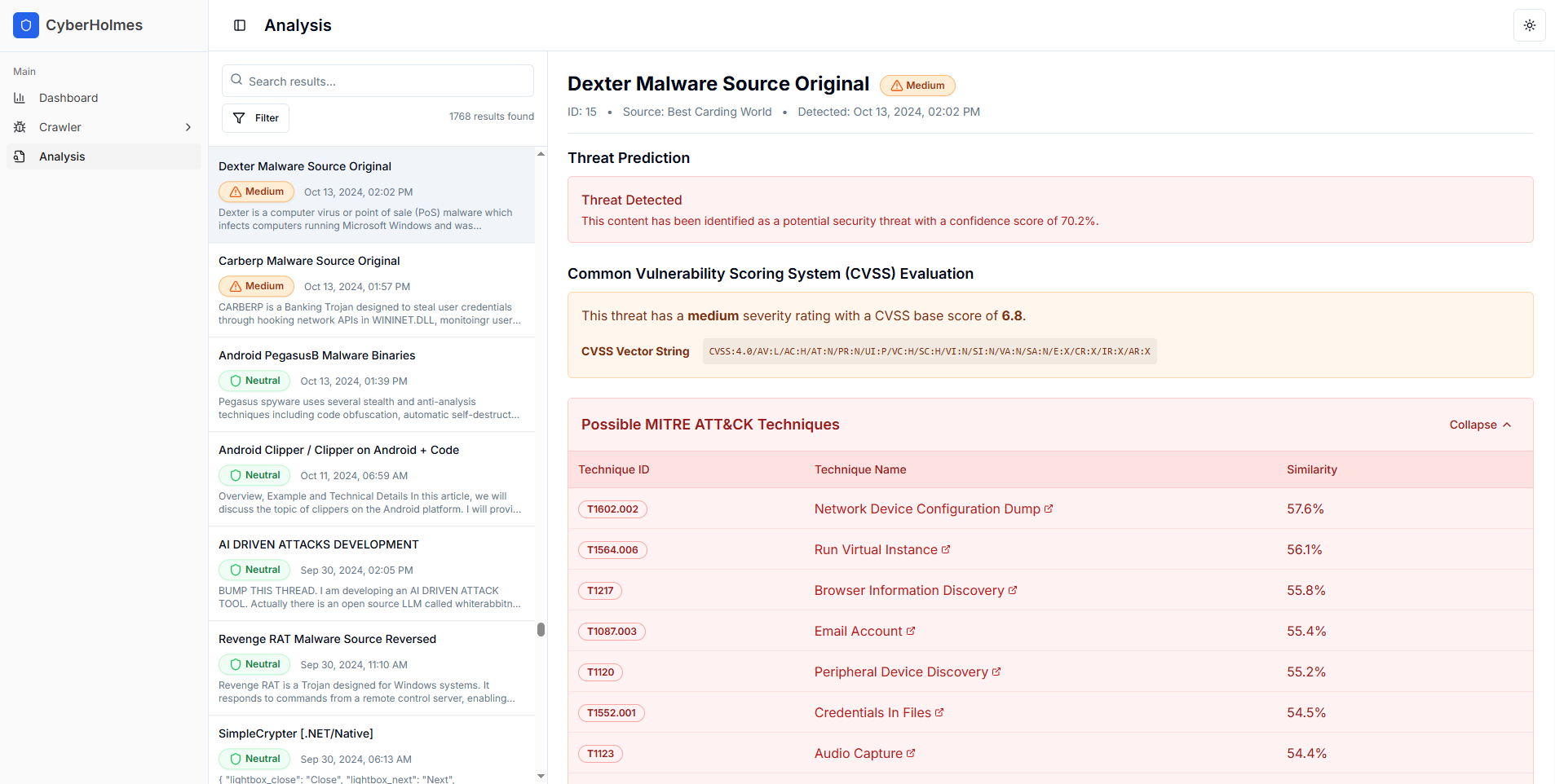
Figure 7: Threat detected with enriched threat context (light theme)
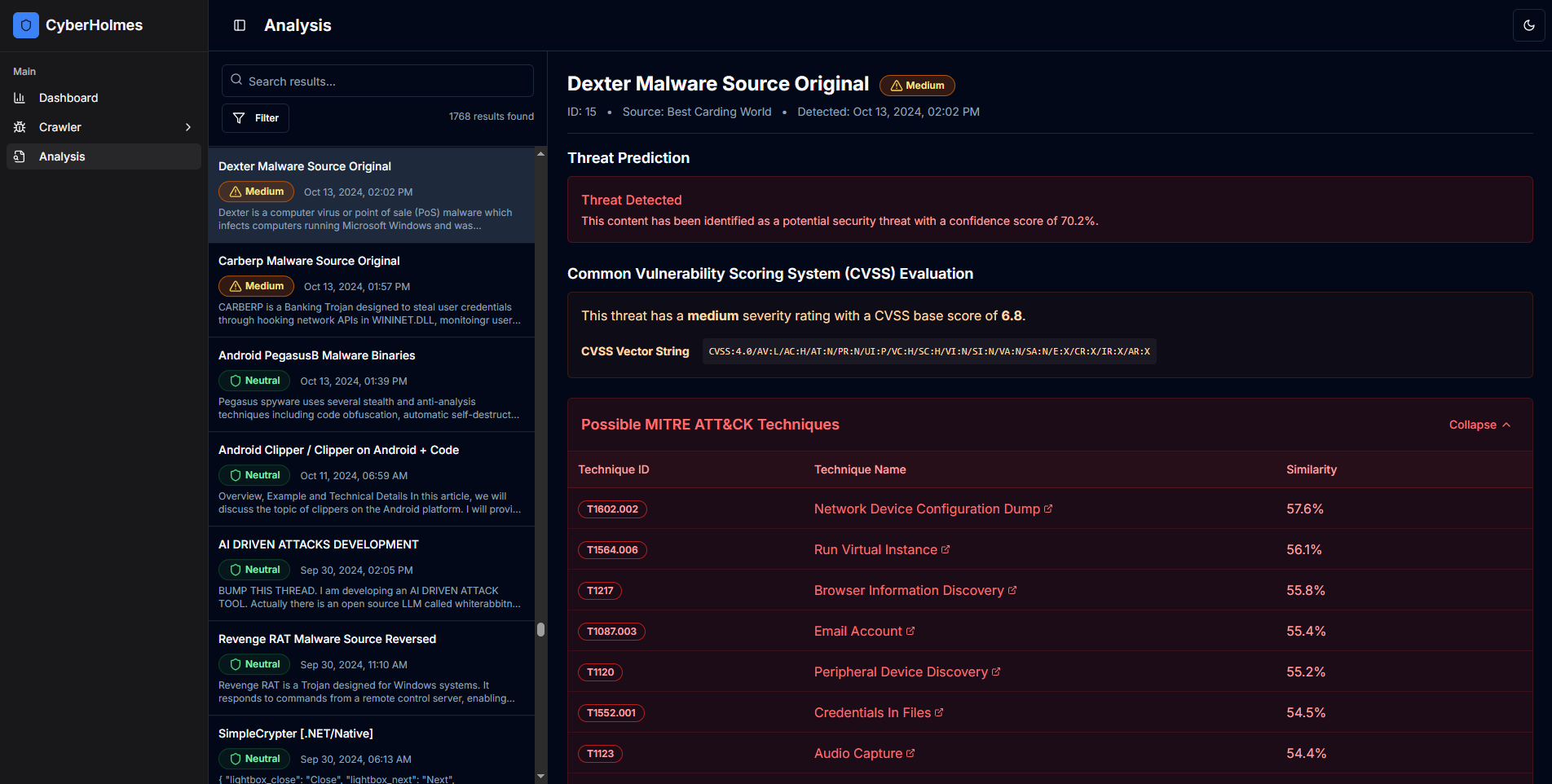
Figure 8: Threat detected with enriched threat context (dark theme)
Final Year Project | Cyber Threat Intelligence (CTI) Web-based Application
TypeScript
1
30 commits
updated Jun 11, 2025
Cyber Threat Intelligence Monitoring System
Final Year Project • Bachelor of Computer Science (Hons) (Artificial Intelligence)
CyberHolmes is a full-stack, web-based Cyber Threat Intelligence (CTI) monitoring system developed as part of Final Year Project (FYP) for the completion of Bachelor of Computer Science (Honours) (Artificial Intelligence).
The project focuses on detecting and analysing posts that may pose cyber threats by applying advanced natural language processing techniques. It automates the collection of textual data from both clear and dark web forums, followed by prediction and analysis of potential threats using machine learning and deep learning models. The goal is to provide cybersecurity professionals and researchers with actionable intelligence through an interactive dashboard and evaluation, enabling more effective threat monitoring and response.
1. Data Collection
Scrapy with Tor proxy integration to ensure anonymity.2. Threat Prediction
scikit-learn to classify text-based data and identify potential cyber threats.3. Threat Analysis
Hugging Face to perform advanced text analysis on collected data.cvss package and MITRE ATT&CK framework data via the attackcti package.| Layer | Technology |
|---|---|
| Frontend | Next.js |
| Backend | Django |
| Database | SQLite |
| Web Server | NGINX |
/CyberHolmes
│
├── backend/                # Django backend application
│ |── analysis/             # Threat prediction and analysis processes (ML + DL)
│ |── config/               # Django project configuration
│ |── crawler/              # Scrapy-based crawlers for data collection
│ |── main/                 # Core app for main logics and API endpoints
│ |── .gitignore/           # Git ignore rules for backend
│ |── Dockerfile/           # Docker setup for backend service
│ |── manage.py/            # Django project management script
│ |── requirements.txt/     # Python dependencies
│ └── torrc/                # Tor configuration
|
├── frontend/               # Next.js frontend application
│ |── app/                  # App routing and page definitions
│ |── components/           # Reusable React UI components
│ |── config/               # Frontend configuration
│ |── lib/                  # Utility functions and hooks
│ |── styles/               # Global and component-specific CSS styles
│ |── .gitignore/           # Git ignore rules for frontend
│ └── Dockerfile/           # Docker setup for frontend service
|
├── nginx/                  # nginx configuration for reverse proxy
├── docker-compose.yml      # Docker container orchestration
├── LICENSE
└── README.md
git clone https://github.com/rydzze/CyberHolmes.git
cd CyberHolmes
Create .env files for both backend and frontend. Use the provided templates or set your own keys.
backend/.env
DEBUG=True
SECRET_KEY=your-secret-key ¯\_(ツ)_/¯
frontend/.env
# If run locally:
NEXT_PUBLIC_API_URL=http://localhost:3001/api

# If run remotely:
NEXT_PUBLIC_API_URL=/api
From the root of the project directory:
docker-compose up --build -d
The frontend can be accessed at http://localhost:3000
The backend API can be accessed at http://localhost:3001/api
Figure 1: Dashboard overview (light theme)
Figure 2: Dashboard overview (dark theme)
Figure 3: Deploying crawlers to collect threat intelligence
Figure 4: Viewing collected crawler records
Figure 5: Analysis result for a non-threatening post (light theme)
Figure 6: Analysis result for a non-threatening post (dark theme)
Figure 7: Threat detected with enriched threat context (light theme)
Figure 8: Threat detected with enriched threat context (dark theme)



