
README
Rust String Benchmarks
This repo tries to assess Rust string types.
We currently compare:
| Name | Size | Heap | Inline | &'static str | Mutable | Unsafe | Notes |
|---|---|---|---|---|---|---|---|
String | 24 bytes | Y | - | N | Y | - | Universal |
Cow<'static, str> | 24 bytes | Y | - | Y | N | - | |
arcstr | 8 bytes | ? | ? | ? | ? | ? | ? |
cold-string | 8 bytes | Y | 8 bytes | N | N | Y (miri, proptest) | Space optimized for non-inline strings, 1 byte aligned (1 byte extra for Option<_>) |
compact_str | 24 bytes | Y | 24 bytes | Y | Y | Y (miri, proptest, fuzz) | Space optimized for Option<_> |
ecow | 16 bytes | Y | 15 bytes | N | Y | Y (miri) | O(1) clone unless mutated, Space optimized for Option<_> |
flexstr | 24 bytes | Y | 22 bytes | Y | N | Y (miri) | O(1) clone |
hipstr | 24 bytes | Y | 23 bytes | Y | Y | Y (miri) | O(1) clone, O(1) substring |
imstr | 24 bytes | ? | ? | ? | ? | ? | ? |
kstring | 24 bytes | Y | 15 bytes | Y | N | Optional (miri, proptest) | Optional O(1) clone, optional 22 byte small string, Ref/Cow API for preserving &'static str |
lean_string | 16 bytes | Y | 16 bytes | Y | Y | Y (miri, proptest) | O(1) clone unless mutated, Space optimized for Option<_> |
smartstring | 24 bytes | Y | 23 bytes | N | Y | Y (miri, proptest, fuzz) |
Suggestions:
- Generally,
String - If you deal mostly with string literals but want some flexibility (like
clap), generally you'll want
Cow<'static, str> - If a profiler says your strings are a problem:
- Try different crates and settings for that crate out with a profiler
- O(1) clones are important when doing a lot of clones. For one-off allocations, they are slower.
- For short-lived programs, look into string interning
Note: smol_str was removed in favor of ecow
Terms:
- Heap: will store strings in heap-allocated memory
- Inline: will store small-enough strings on the stack
Results
new summary:
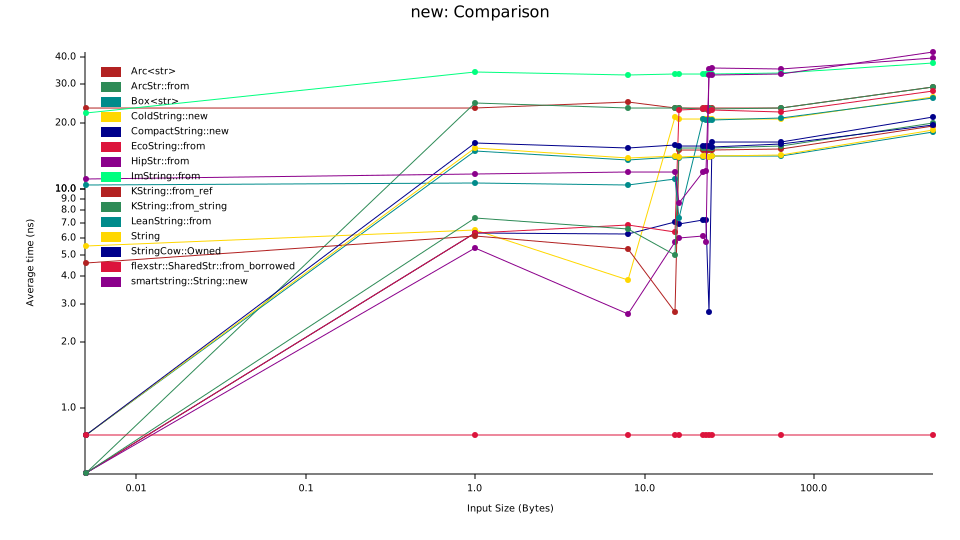
See more details
clone summary:
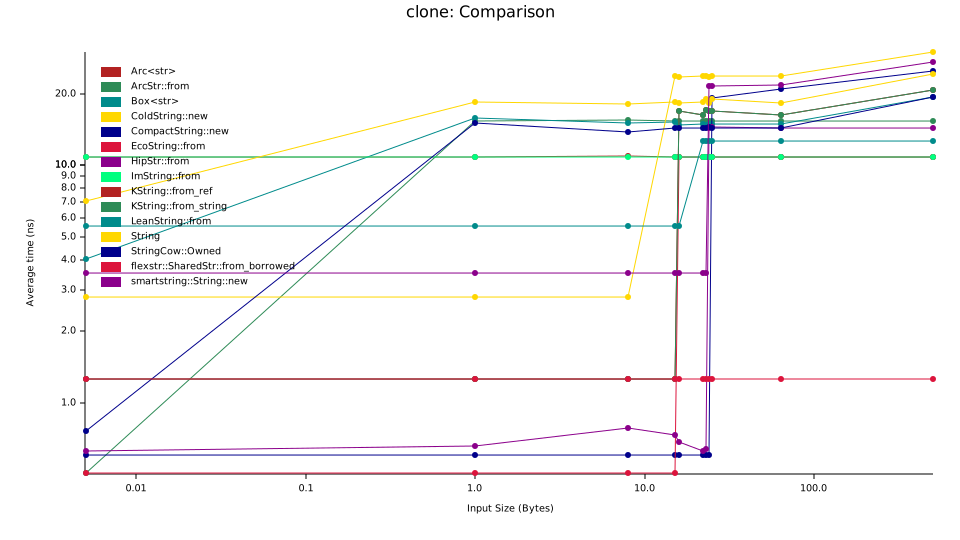
See more details
access summary:
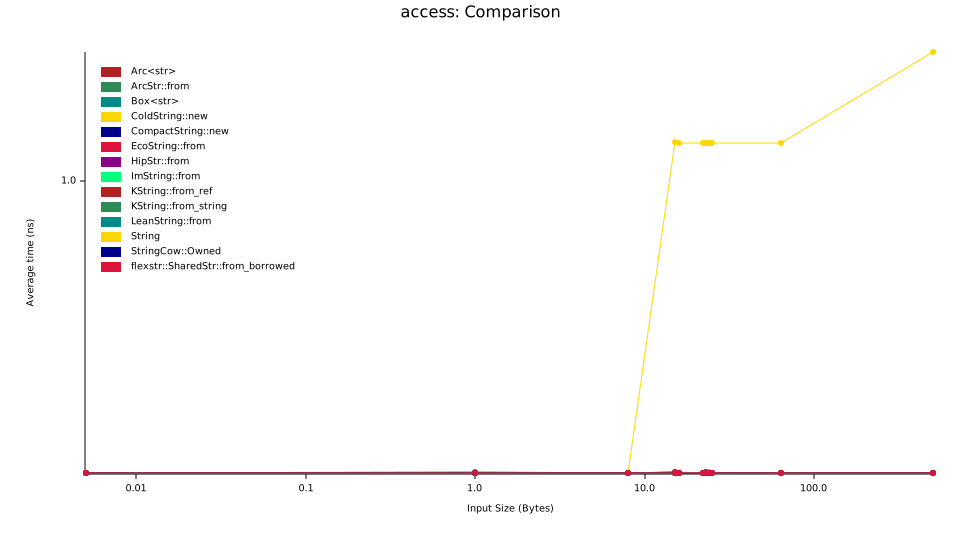
(smartstring is skipped due to how slow it is)
See more details
self_eq summary:
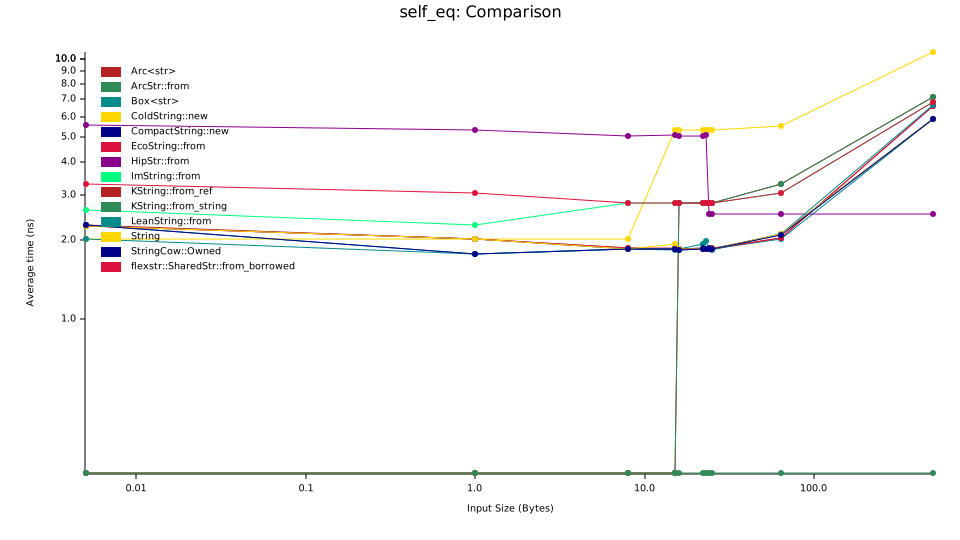
See more details
Special Thanks
- djc for inspiration with template-benchmarks-rs
Contributors


Similar repos


Languages
HTML
99.3%
README
Rust String Benchmarks
This repo tries to assess Rust string types.
We currently compare:
| Name | Size | Heap | Inline | &'static str | Mutable | Unsafe | Notes |
|---|---|---|---|---|---|---|---|
String | 24 bytes | Y | - | N | Y | - | Universal |
Cow<'static, str> | 24 bytes | Y | - | Y | N | - | |
arcstr | 8 bytes | ? | ? | ? | ? | ? | ? |
cold-string | 8 bytes | Y | 8 bytes | N | N | Y (miri, proptest) | Space optimized for non-inline strings, 1 byte aligned (1 byte extra for Option<_>) |
compact_str | 24 bytes | Y | 24 bytes | Y | Y | Y (miri, proptest, fuzz) | Space optimized for Option<_> |
ecow | 16 bytes | Y | 15 bytes | N | Y | Y (miri) | O(1) clone unless mutated, Space optimized for Option<_> |
flexstr | 24 bytes | Y | 22 bytes | Y | N | Y (miri) | O(1) clone |
hipstr | 24 bytes | Y | 23 bytes | Y | Y | Y (miri) | O(1) clone, O(1) substring |
imstr | 24 bytes | ? | ? | ? | ? | ? | ? |
kstring | 24 bytes | Y | 15 bytes | Y | N | Optional (miri, proptest) | Optional O(1) clone, optional 22 byte small string, Ref/Cow API for preserving &'static str |
lean_string | 16 bytes | Y | 16 bytes | Y | Y | Y (miri, proptest) | O(1) clone unless mutated, Space optimized for Option<_> |
smartstring | 24 bytes | Y | 23 bytes | N | Y | Y (miri, proptest, fuzz) |
Suggestions:
- Generally,
String - If you deal mostly with string literals but want some flexibility (like
clap), generally you'll want
Cow<'static, str> - If a profiler says your strings are a problem:
- Try different crates and settings for that crate out with a profiler
- O(1) clones are important when doing a lot of clones. For one-off allocations, they are slower.
- For short-lived programs, look into string interning
Note: smol_str was removed in favor of ecow
Terms:
- Heap: will store strings in heap-allocated memory
- Inline: will store small-enough strings on the stack
Results
new summary:
See more details
clone summary:
See more details
access summary:
(smartstring is skipped due to how slow it is)
See more details
self_eq summary:
See more details
Special Thanks
- djc for inspiration with template-benchmarks-rs
Similar repos
Contributors
Languages
HTML
99.3%