Code for Tensorflow Machine Learning Cookbook
Jupyter Notebook
6,238
404 commits
updated May 23, 2024

=================
Build: 
=================
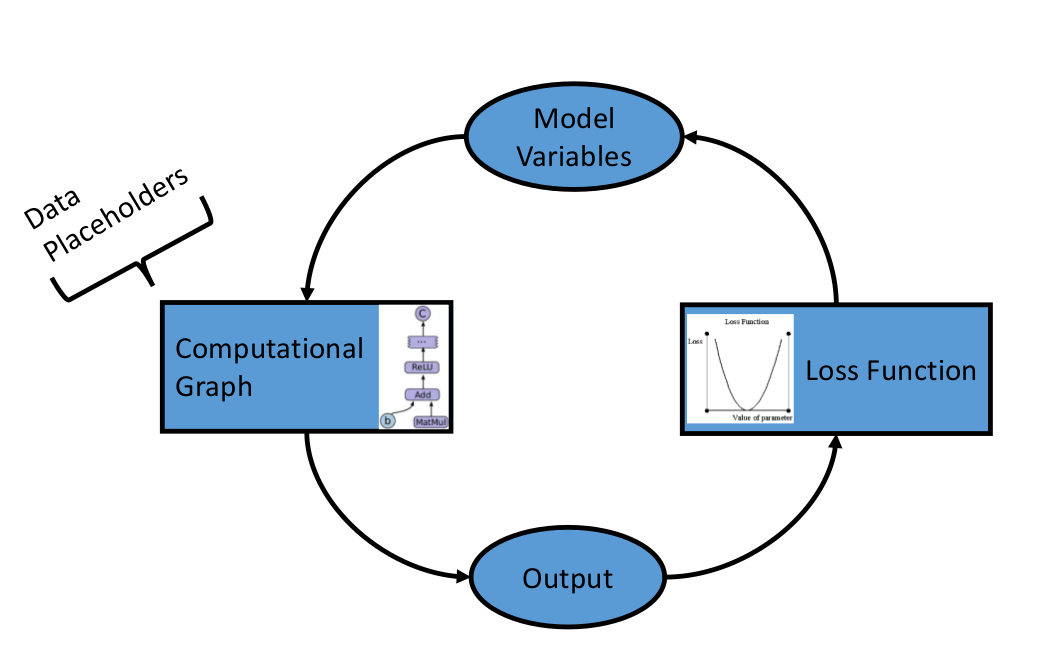
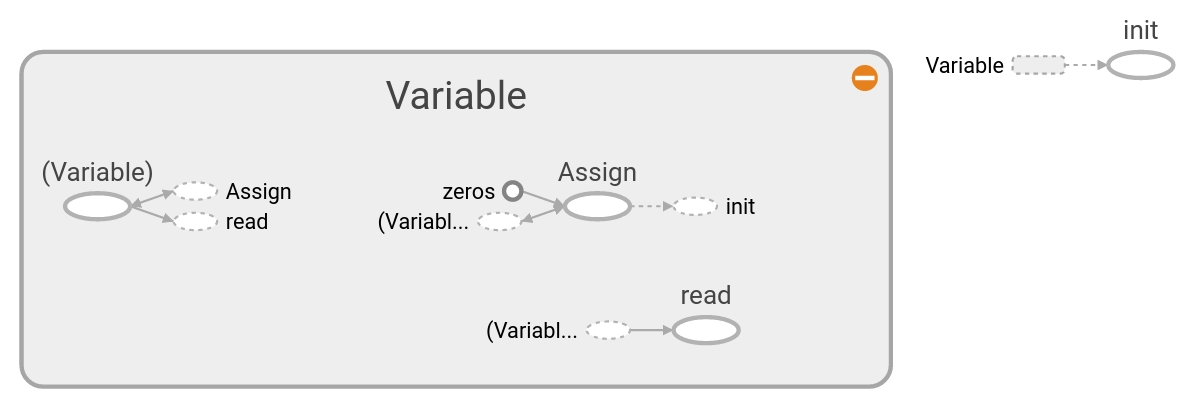
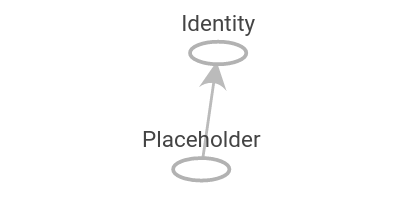
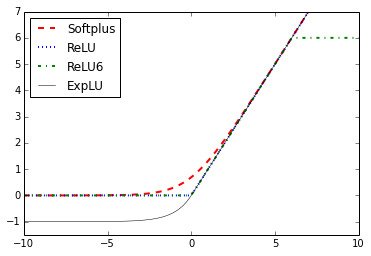
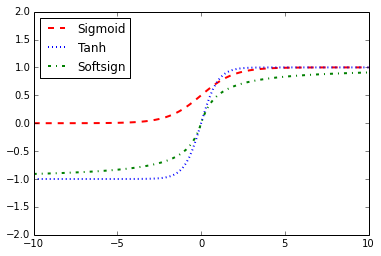
This chapter intends to introduce the main objects and concepts in TensorFlow. We also introduce how to access the data for the rest of the book and provide additional resources for learning about TensorFlow.
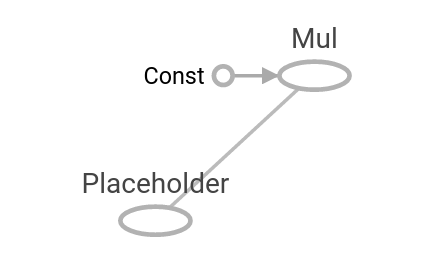
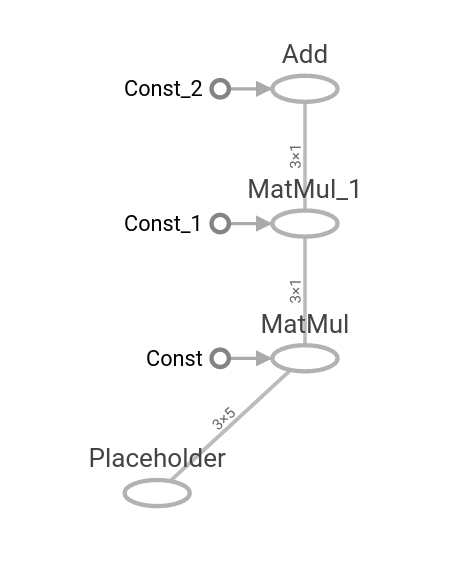
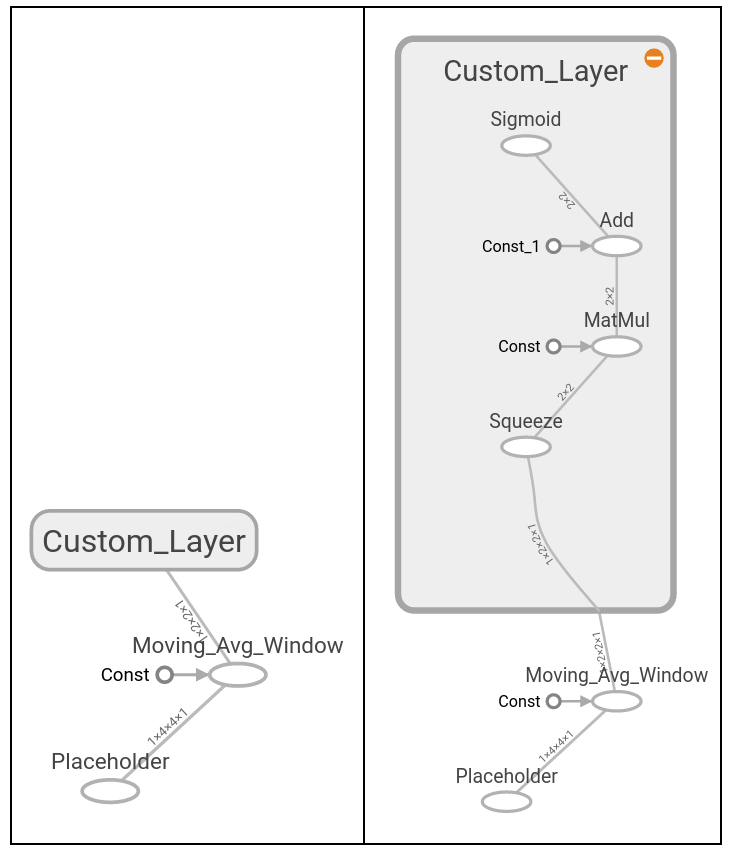
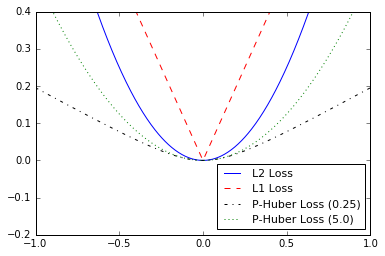
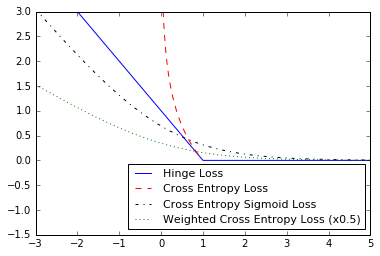
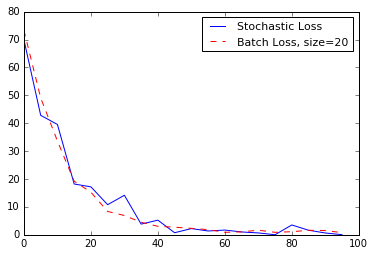
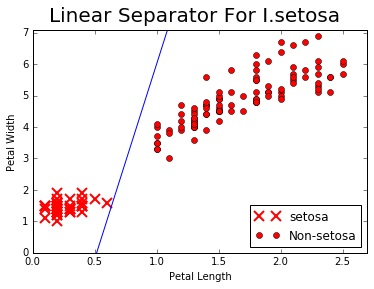
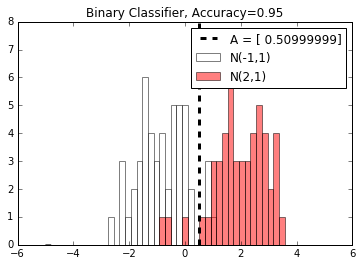
After we have established the basic objects and methods in TensorFlow, we now want to establish the components that make up TensorFlow algorithms. We start by introducing computational graphs, and then move to loss functions and back propagation. We end with creating a simple classifier and then show an example of evaluating regression and classification algorithms.
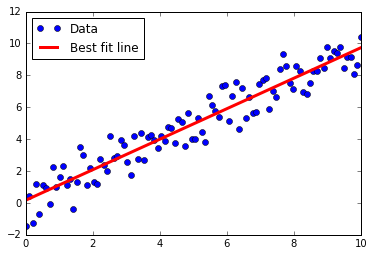
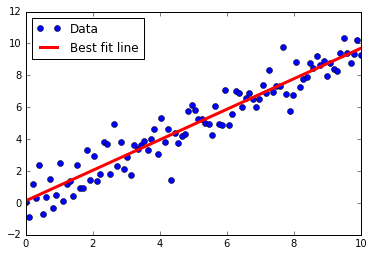
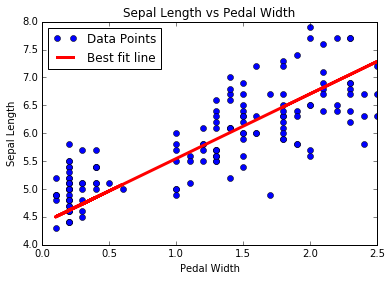
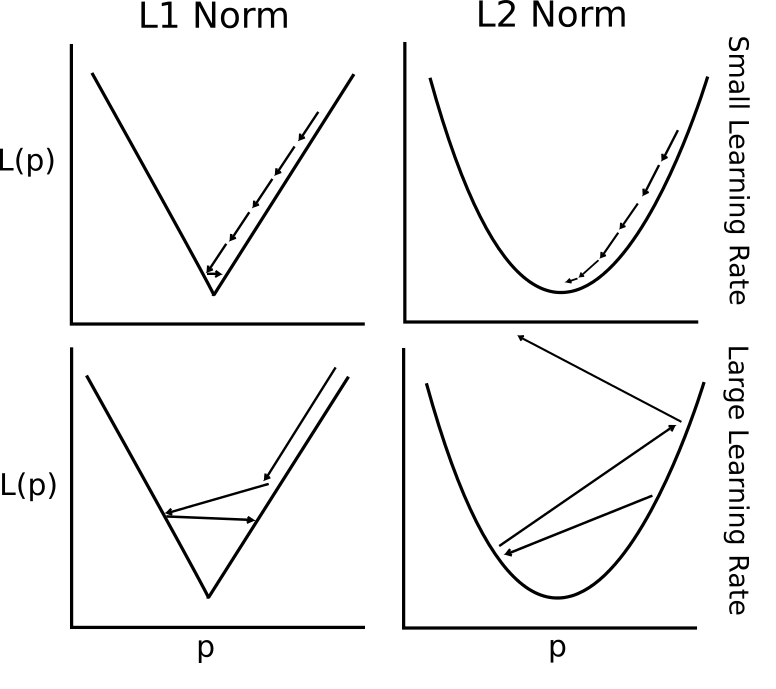
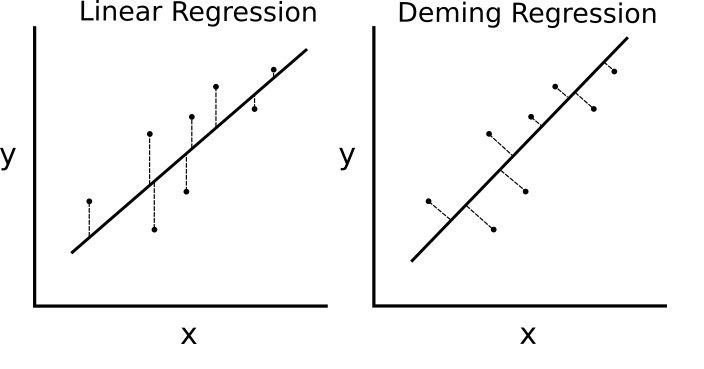
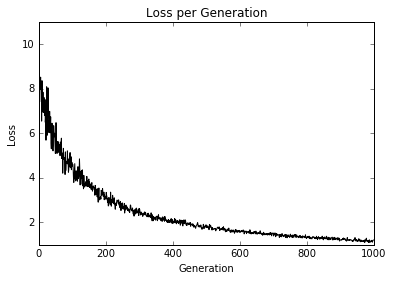
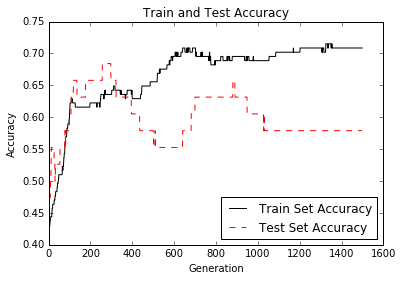
Here we show how to implement various linear regression techniques in TensorFlow. The first two sections show how to do standard matrix linear regression solving in TensorFlow. The remaining six sections depict how to implement various types of regression using computational graphs in TensorFlow.
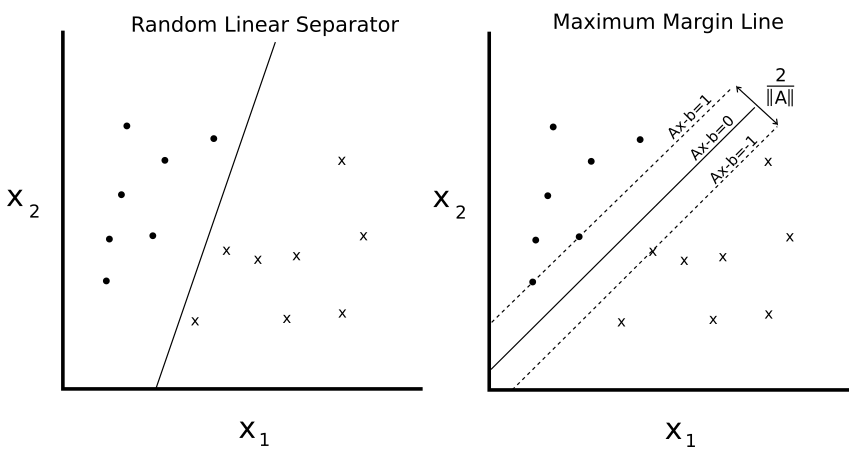
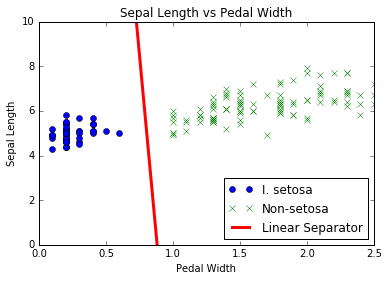
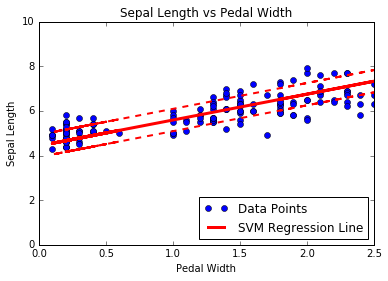
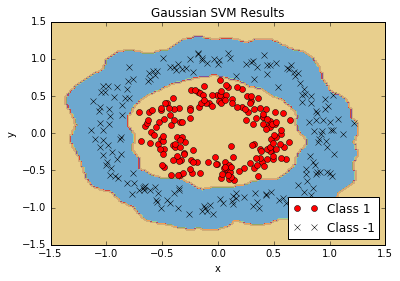
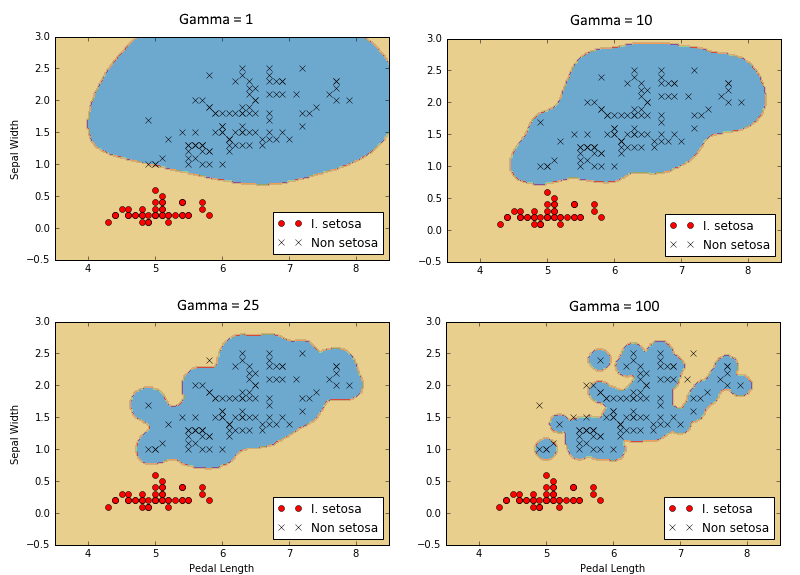
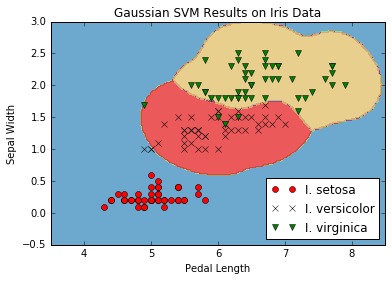
This chapter shows how to implement various SVM methods with TensorFlow. We first create a linear SVM and also show how it can be used for regression. We then introduce kernels (RBF Gaussian kernel) and show how to use it to split up non-linear data. We finish with a multi-dimensional implementation of non-linear SVMs to work with multiple classes.
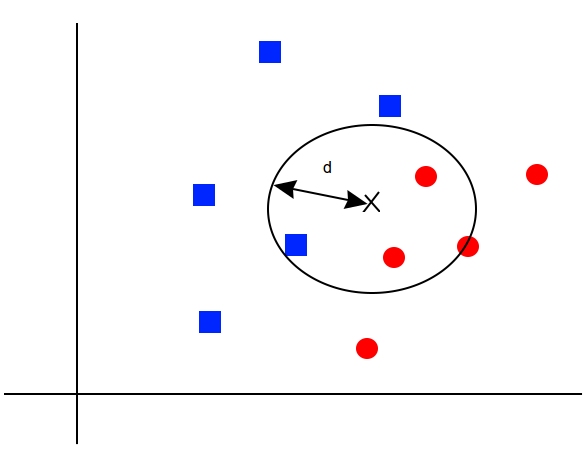
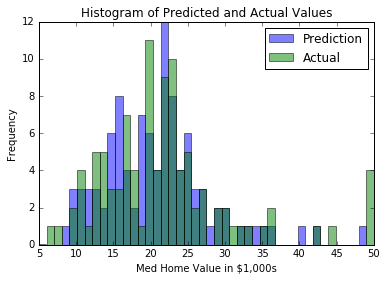

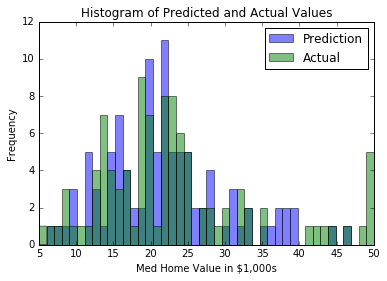
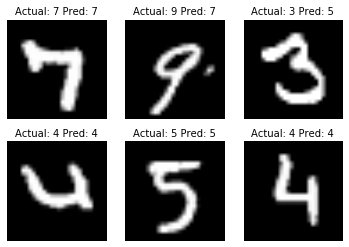
Nearest Neighbor methods are a very popular ML algorithm. We show how to implement k-Nearest Neighbors, weighted k-Nearest Neighbors, and k-Nearest Neighbors with mixed distance functions. In this chapter we also show how to use the Levenshtein distance (edit distance) in TensorFlow, and use it to calculate the distance between strings. We end this chapter with showing how to use k-Nearest Neighbors for categorical prediction with the MNIST handwritten digit recognition.

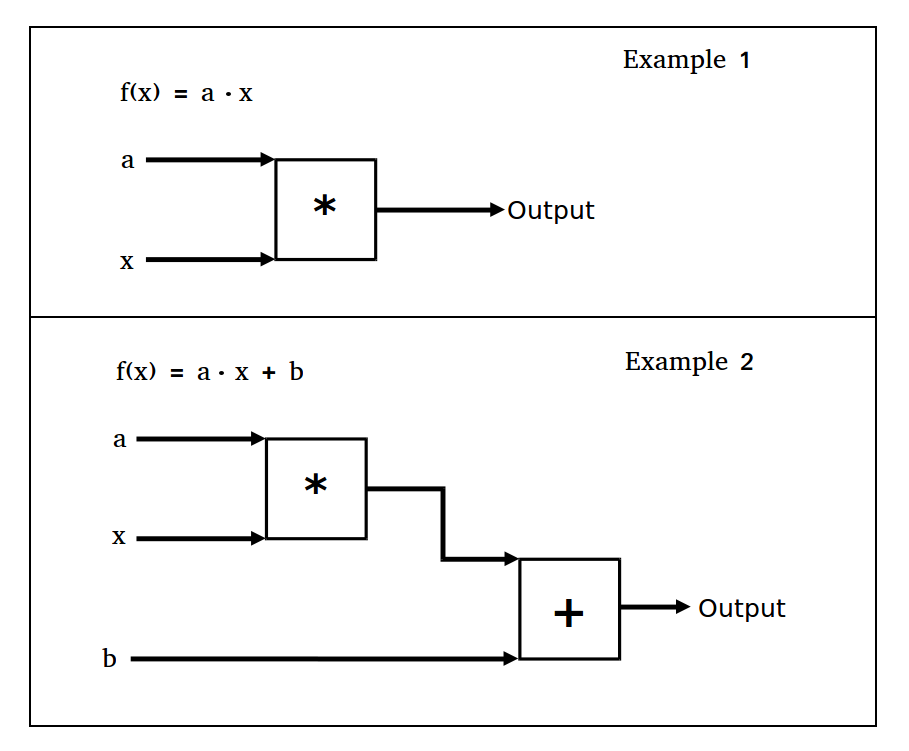
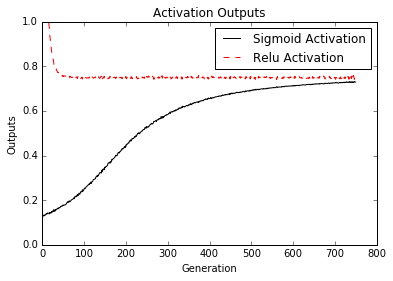
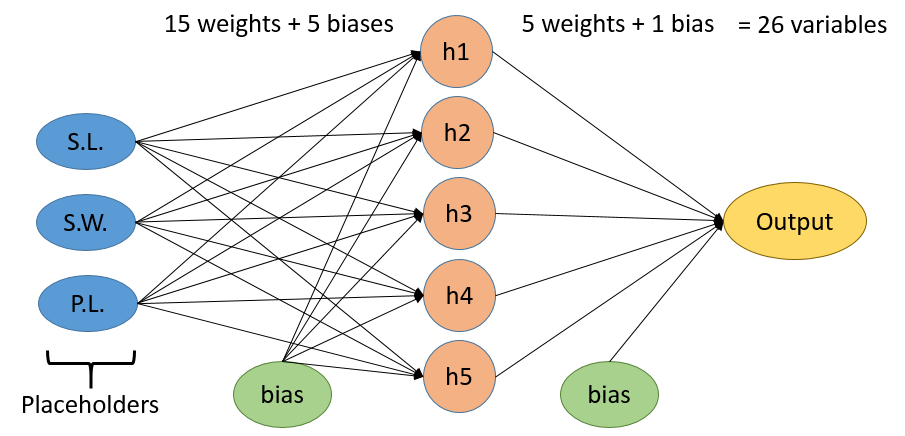
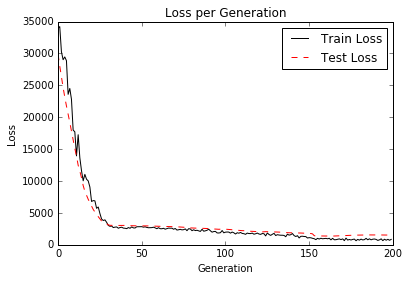
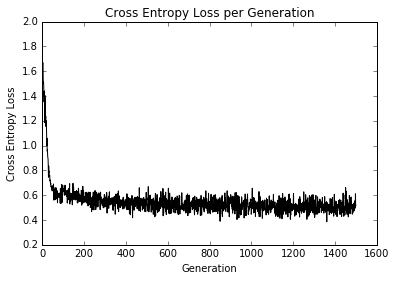
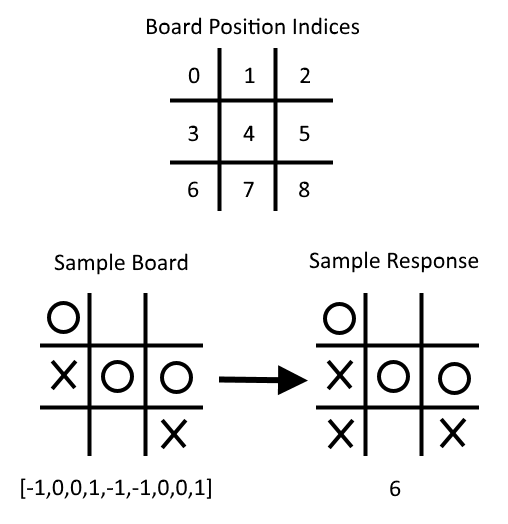
Neural Networks are very important in machine learning and growing in popularity due to the major breakthroughs in prior unsolved problems. We must start with introducing 'shallow' neural networks, which are very powerful and can help us improve our prior ML algorithm results. We start by introducing the very basic NN unit, the operational gate. We gradually add more and more to the neural network and end with training a model to play tic-tac-toe.

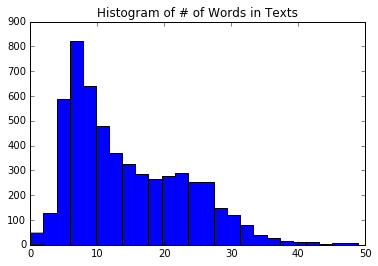
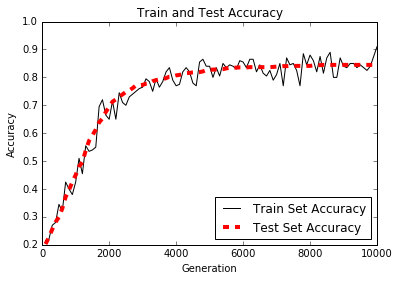
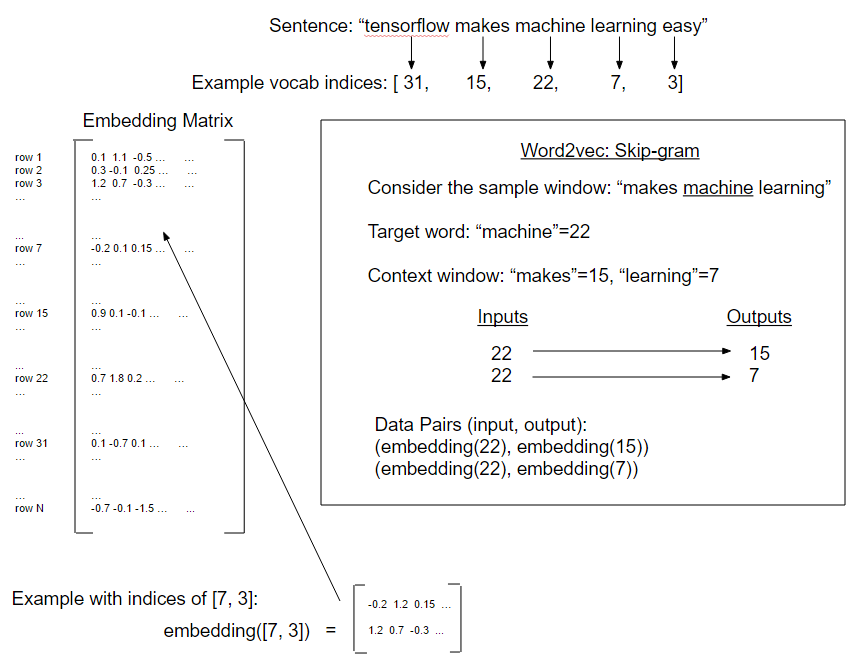
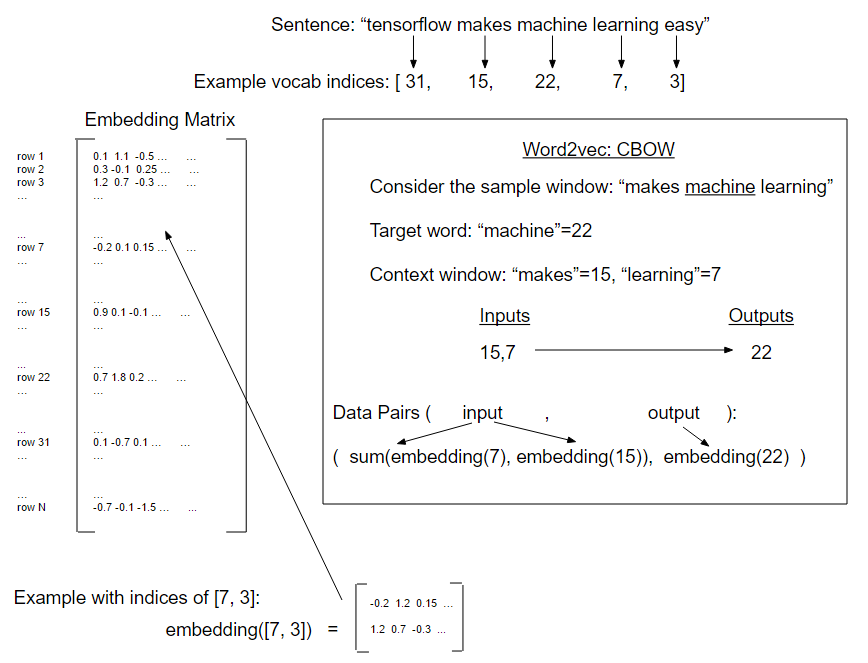
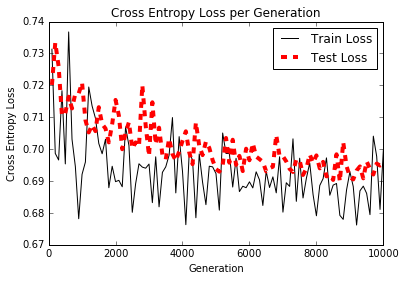
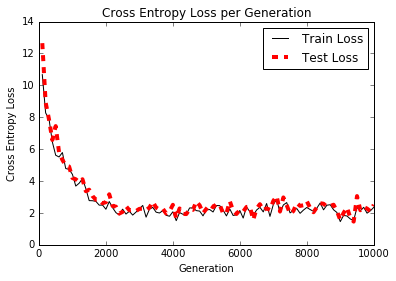
Natural Language Processing (NLP) is a way of processing textual information into numerical summaries, features, or models. In this chapter we will motivate and explain how to best deal with text in TensorFlow. We show how to implement the classic 'Bag-of-Words' and show that there may be better ways to embed text based on the problem at hand. There are neural network embeddings called Word2Vec (CBOW and Skip-Gram) and Doc2Vec. We show how to implement all of these in TensorFlow.
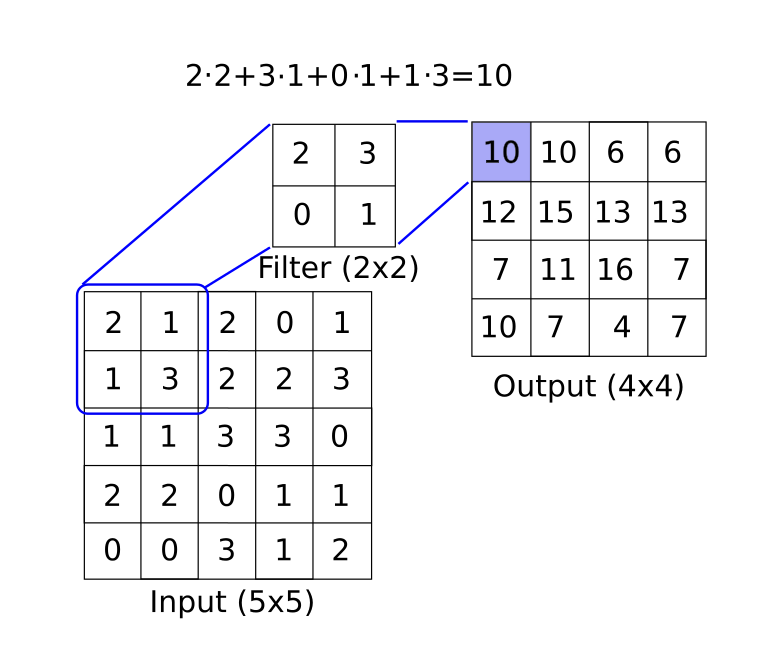
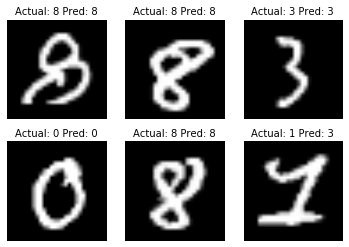
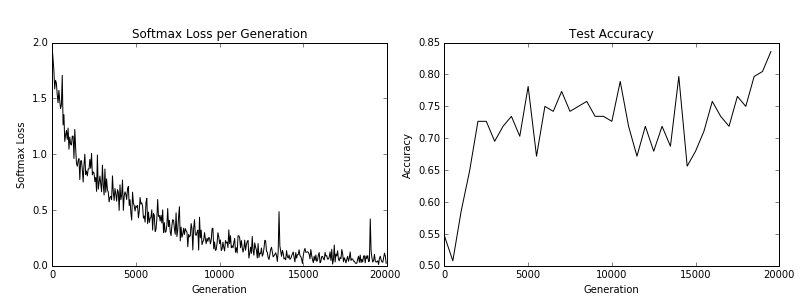

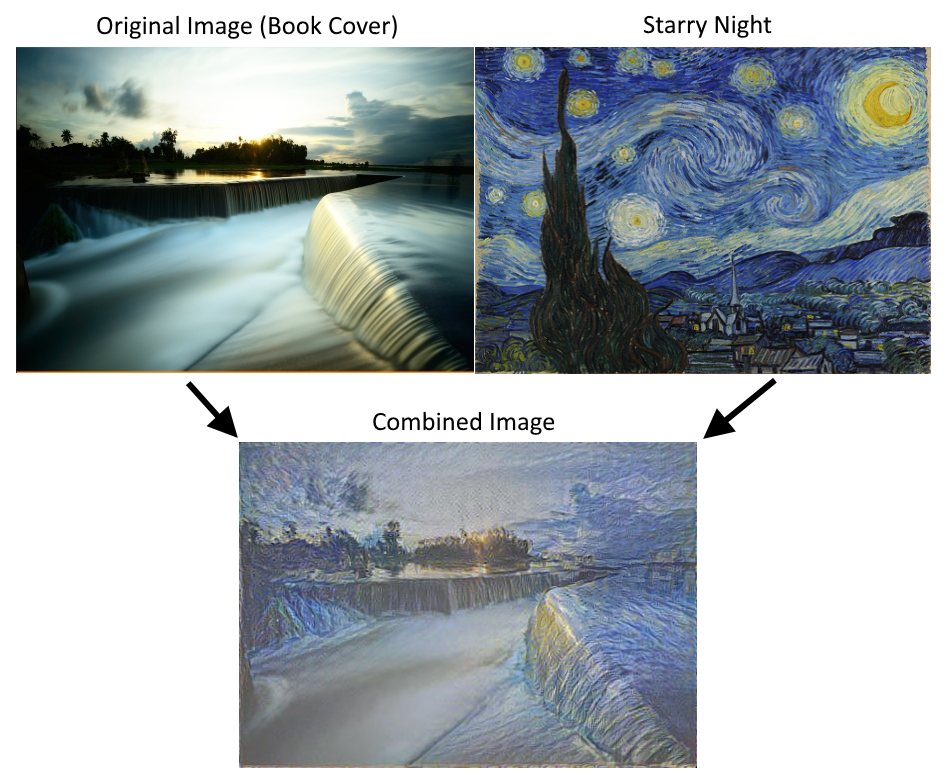
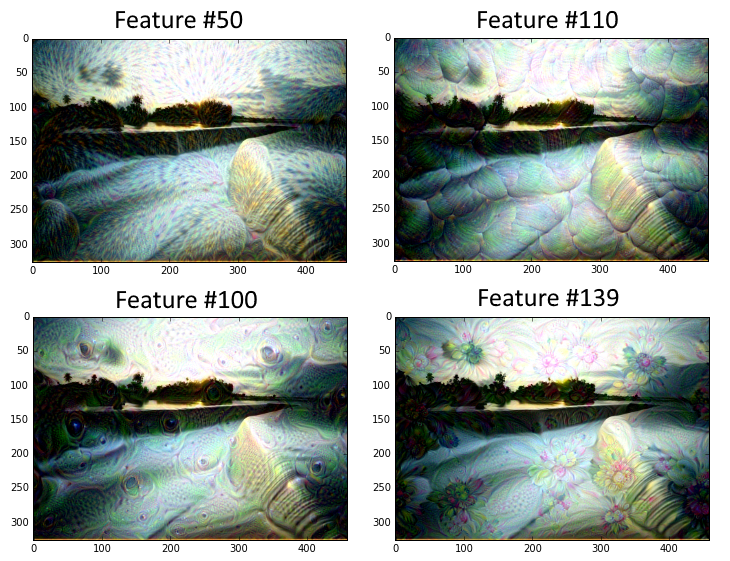
Convolutional Neural Networks (CNNs) are ways of getting neural networks to deal with image data. CNN derive their name from the use of a convolutional layer that applies a fixed size filter across a larger image, recognizing a pattern in any part of the image. There are many other tools that they use (max-pooling, dropout, etc...) that we show how to implement with TensorFlow. We also show how to retrain an existing architecture and take CNNs further with Stylenet and Deep Dream.
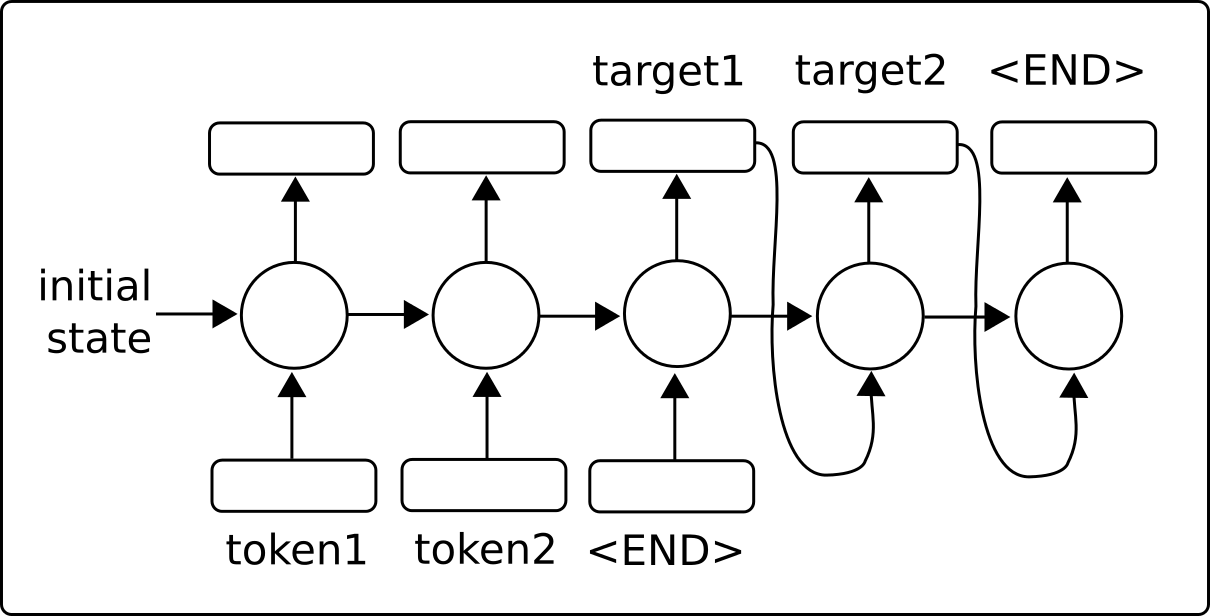
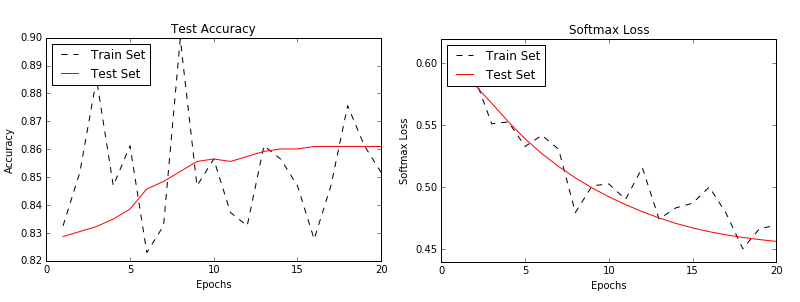
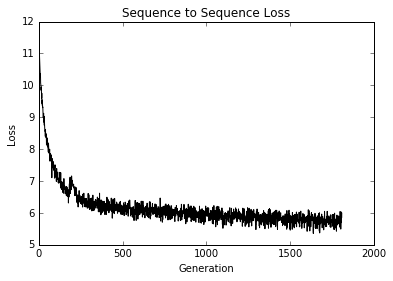
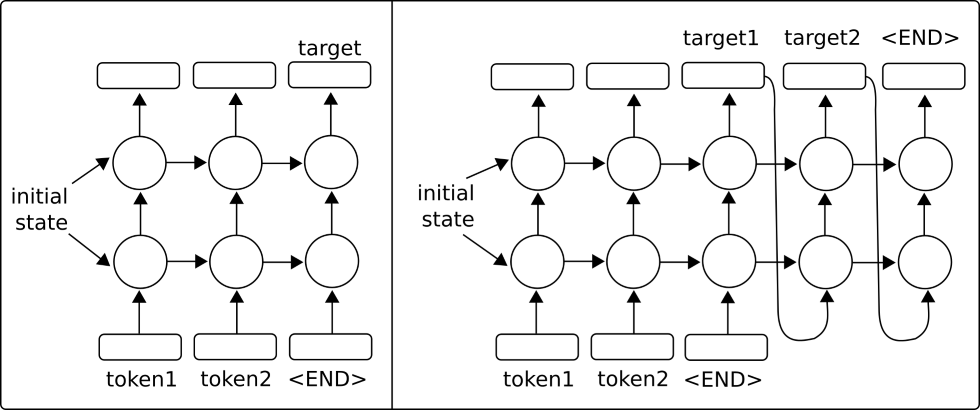
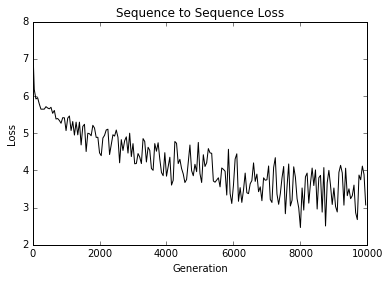
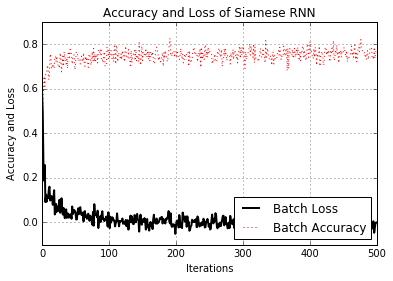
Recurrent Neural Networks (RNNs) are very similar to regular neural networks except that they allow 'recurrent' connections, or loops that depend on the prior states of the network. This allows RNNs to efficiently deal with sequential data, whereas other types of networks cannot. We then motivate the usage of LSTM (Long Short Term Memory) networks as a way of addressing regular RNN problems. Then we show how easy it is to implement these RNN types in TensorFlow.

Of course there is more to TensorFlow than just creating and fitting machine learning models. Once we have a model that we want to use, we have to move it towards production usage. This chapter will provide tips and examples of implementing unit tests, using multiple processors, using multiple machines (TensorFlow distributed), and finish with a full production example.
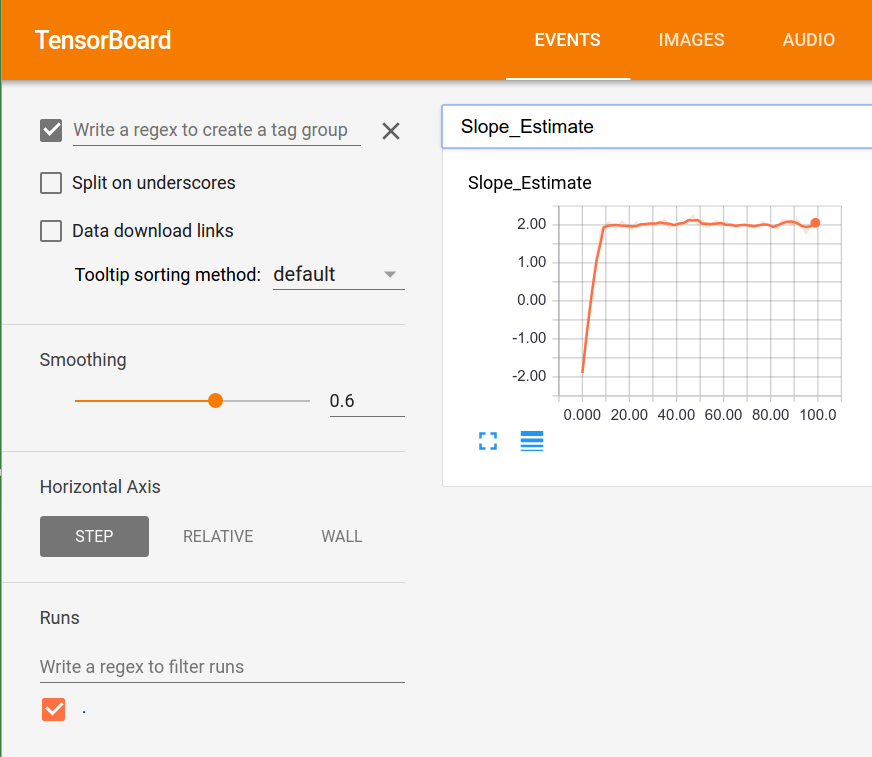
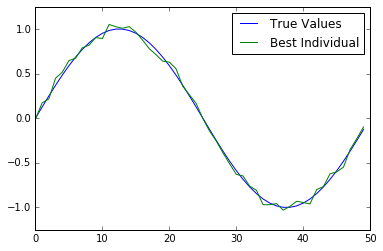
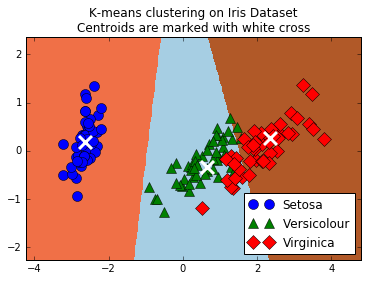
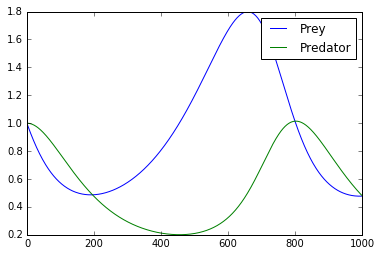
To illustrate how versatile TensorFlow is, we will show additional examples in this chapter. We start with showing how to use the logging/visualizing tool Tensorboard. Then we illustrate how to do k-means clustering, use a genetic algorithm, and solve a system of ODEs.
552 followers · starred Jun 2017
113 followers · starred Jul 2018
34 followers · starred May 2018
83 followers · starred Apr 2018
Code for Tensorflow Machine Learning Cookbook
Jupyter Notebook
6,238
404 commits
updated May 23, 2024
=================
Build:
=================
This chapter intends to introduce the main objects and concepts in TensorFlow. We also introduce how to access the data for the rest of the book and provide additional resources for learning about TensorFlow.
After we have established the basic objects and methods in TensorFlow, we now want to establish the components that make up TensorFlow algorithms. We start by introducing computational graphs, and then move to loss functions and back propagation. We end with creating a simple classifier and then show an example of evaluating regression and classification algorithms.
Here we show how to implement various linear regression techniques in TensorFlow. The first two sections show how to do standard matrix linear regression solving in TensorFlow. The remaining six sections depict how to implement various types of regression using computational graphs in TensorFlow.
This chapter shows how to implement various SVM methods with TensorFlow. We first create a linear SVM and also show how it can be used for regression. We then introduce kernels (RBF Gaussian kernel) and show how to use it to split up non-linear data. We finish with a multi-dimensional implementation of non-linear SVMs to work with multiple classes.
Nearest Neighbor methods are a very popular ML algorithm. We show how to implement k-Nearest Neighbors, weighted k-Nearest Neighbors, and k-Nearest Neighbors with mixed distance functions. In this chapter we also show how to use the Levenshtein distance (edit distance) in TensorFlow, and use it to calculate the distance between strings. We end this chapter with showing how to use k-Nearest Neighbors for categorical prediction with the MNIST handwritten digit recognition.
Neural Networks are very important in machine learning and growing in popularity due to the major breakthroughs in prior unsolved problems. We must start with introducing 'shallow' neural networks, which are very powerful and can help us improve our prior ML algorithm results. We start by introducing the very basic NN unit, the operational gate. We gradually add more and more to the neural network and end with training a model to play tic-tac-toe.
Natural Language Processing (NLP) is a way of processing textual information into numerical summaries, features, or models. In this chapter we will motivate and explain how to best deal with text in TensorFlow. We show how to implement the classic 'Bag-of-Words' and show that there may be better ways to embed text based on the problem at hand. There are neural network embeddings called Word2Vec (CBOW and Skip-Gram) and Doc2Vec. We show how to implement all of these in TensorFlow.
Convolutional Neural Networks (CNNs) are ways of getting neural networks to deal with image data. CNN derive their name from the use of a convolutional layer that applies a fixed size filter across a larger image, recognizing a pattern in any part of the image. There are many other tools that they use (max-pooling, dropout, etc...) that we show how to implement with TensorFlow. We also show how to retrain an existing architecture and take CNNs further with Stylenet and Deep Dream.
Recurrent Neural Networks (RNNs) are very similar to regular neural networks except that they allow 'recurrent' connections, or loops that depend on the prior states of the network. This allows RNNs to efficiently deal with sequential data, whereas other types of networks cannot. We then motivate the usage of LSTM (Long Short Term Memory) networks as a way of addressing regular RNN problems. Then we show how easy it is to implement these RNN types in TensorFlow.
Of course there is more to TensorFlow than just creating and fitting machine learning models. Once we have a model that we want to use, we have to move it towards production usage. This chapter will provide tips and examples of implementing unit tests, using multiple processors, using multiple machines (TensorFlow distributed), and finish with a full production example.
To illustrate how versatile TensorFlow is, we will show additional examples in this chapter. We start with showing how to use the logging/visualizing tool Tensorboard. Then we illustrate how to do k-means clustering, use a genetic algorithm, and solve a system of ODEs.
552 followers · starred Jun 2017
113 followers · starred Jul 2018
34 followers · starred May 2018
83 followers · starred Apr 2018



