This repository contains several completely separate Rust projects (no Cargo workspace). Each is one server variant — an iroh echo endpoint for a specific ESP32 — plus two clients to dial them.
Each keeps the largest configuration that runs reliably on that board:
server-esp32-psram/ — ESP32-WROVER / M5StickC
(LX6) with PSRAM. Enough RAM for relay + pkarr discovery.server-esp32-s3-psram/ — ESP32-S3
with PSRAM. Also gets relay + pkarr discovery (same full build, S3
hardware).server-esp32/ — bare ESP32 (LX6),
no PSRAM. LAN-direct echo (relay doesn't fit without PSRAM).server-esp32-s3/ — ESP32-S3, no PSRAM. LAN-direct.server-esp32-c6/ — ESP32-C6, the RISC-V variant
(riscv32imac-esp-espidf), no PSRAM. LAN-direct.server-esp32-c61-psram/ — ESP32-C61, the
RISC-V + PSRAM variant (2 MB). Runs the full relay + pkarr discovery build
(dialable across networks), tuned to fit the C61's tighter internal SRAM — small
buffers + a 96 KB stack (see its README). Needs newer tooling (ESP-IDF v5.5.2+,
esp-idf-svc 0.52, espflash 4.4).server-esp32-c5-psram/ — ESP32-C5, the
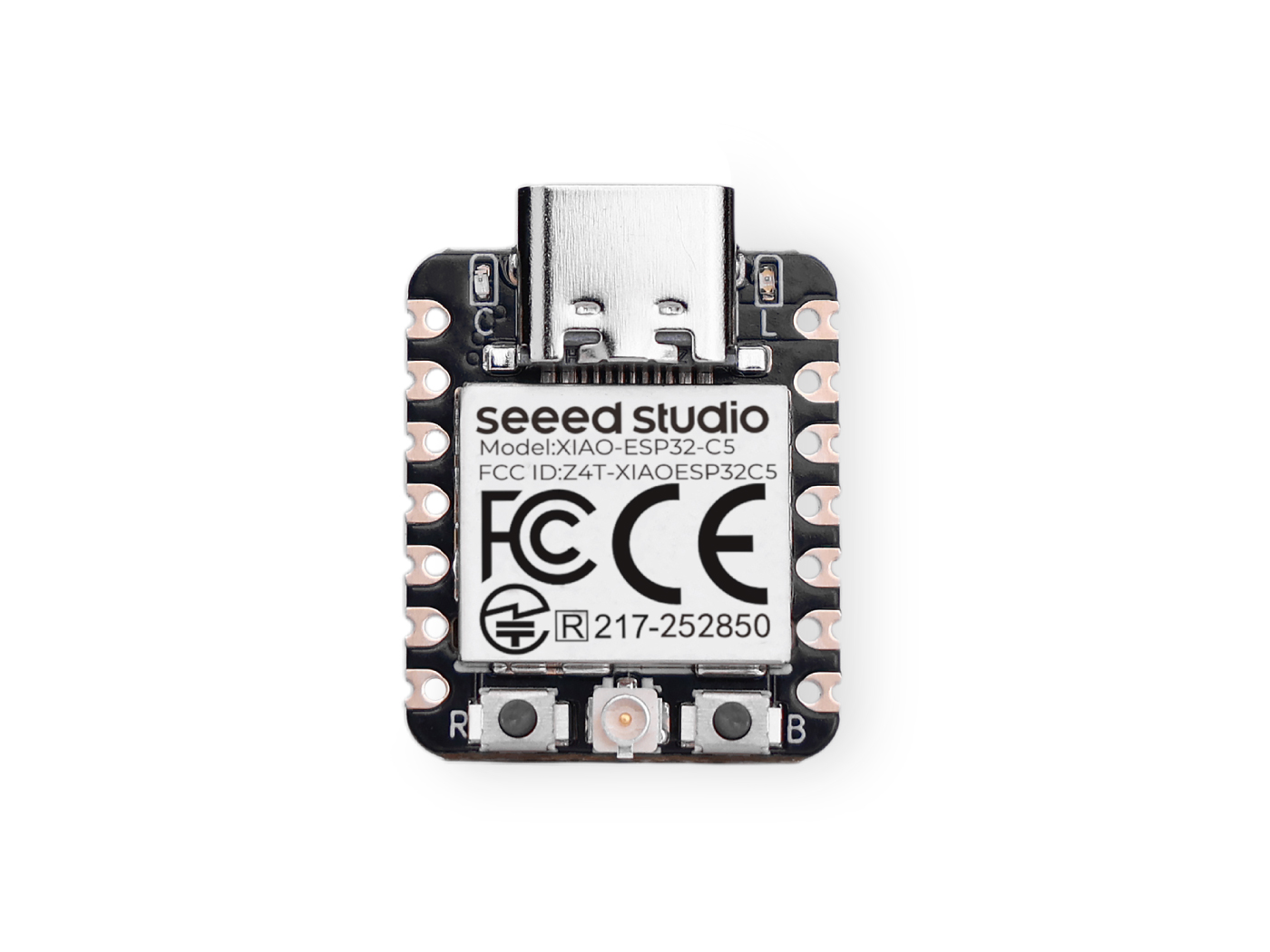
RISC-V + PSRAM variant with dual-band WiFi 6. Tested on the Seeed Studio
XIAO ESP32-C5 (8 MB PSRAM). Runs the full relay + pkarr discovery build with
the C61's memory settings; same newer tooling as the C61.server-esp32-p4/ — ESP32-P4, the big dual-core
RISC-V application chip (riscv32imafc-esp-espidf — it has an FPU), 768 KB
SRAM, 32 MB in-package PSRAM — and no radio of its own: WiFi comes from
the board's ESP32-C6 companion over SDIO (ESP-Hosted + esp_wifi_remote,
transparent to the code). Runs the full relay + pkarr discovery build —
the roomiest iroh node in this repo. Tested on a Waveshare ESP32-P4-NANO.
Same newer tooling as the C61; mind its README's chip-revision trap.noq-interop/ — an ESP32-C6 echo server that runs
bare noq QUIC (no iroh endpoint) with iroh's
raw-public-key TLS profile, so iroh endpoints can dial it via a long ticket.
Its app image is 1.69 MiB.provisioning/ — WiFi provisioning over BLE from a
web page, with the credentials encrypted to the device's iroh endpoint id.
XIAO ESP32-C5; stops once WiFi is up, before binding an endpoint.client/ — desktop CLI client.wasm-gui/ — browser echo client (Rust → WebAssembly).
Relay-only, so it talks to a PSRAM server (server-esp32-psram or
server-esp32-s3-psram).Each directory has its own Cargo.toml, lockfile, and README with build/run
instructions.
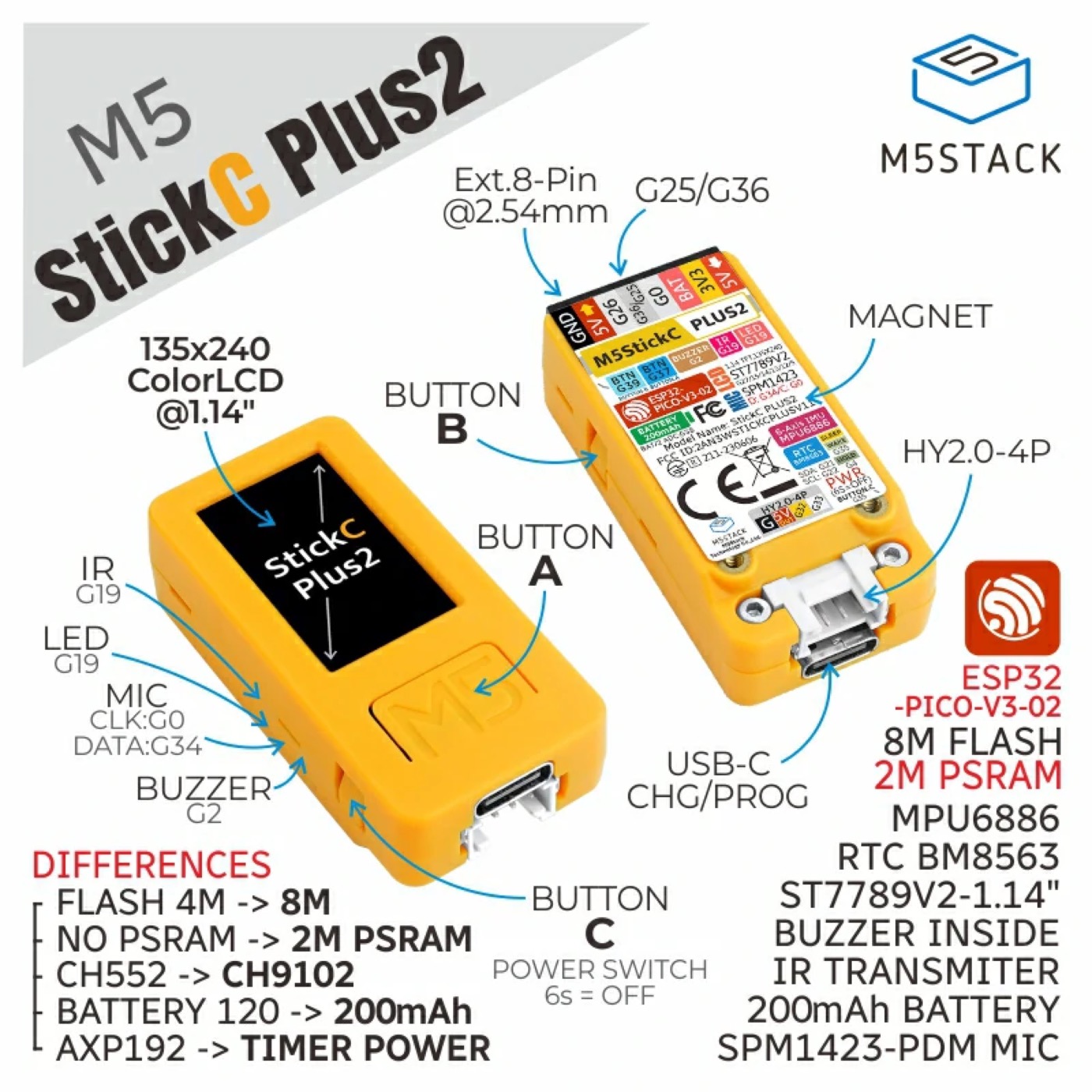 | 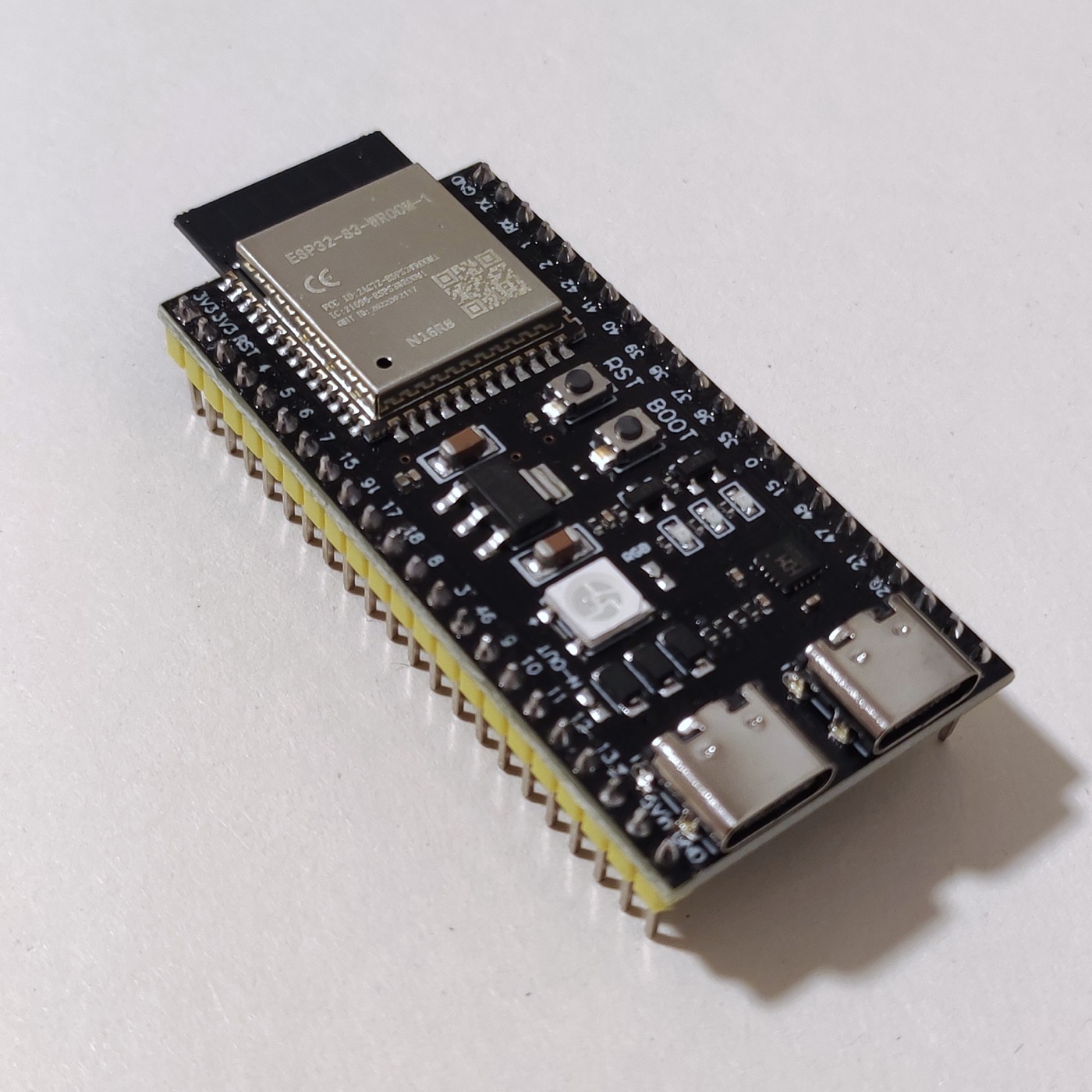 | 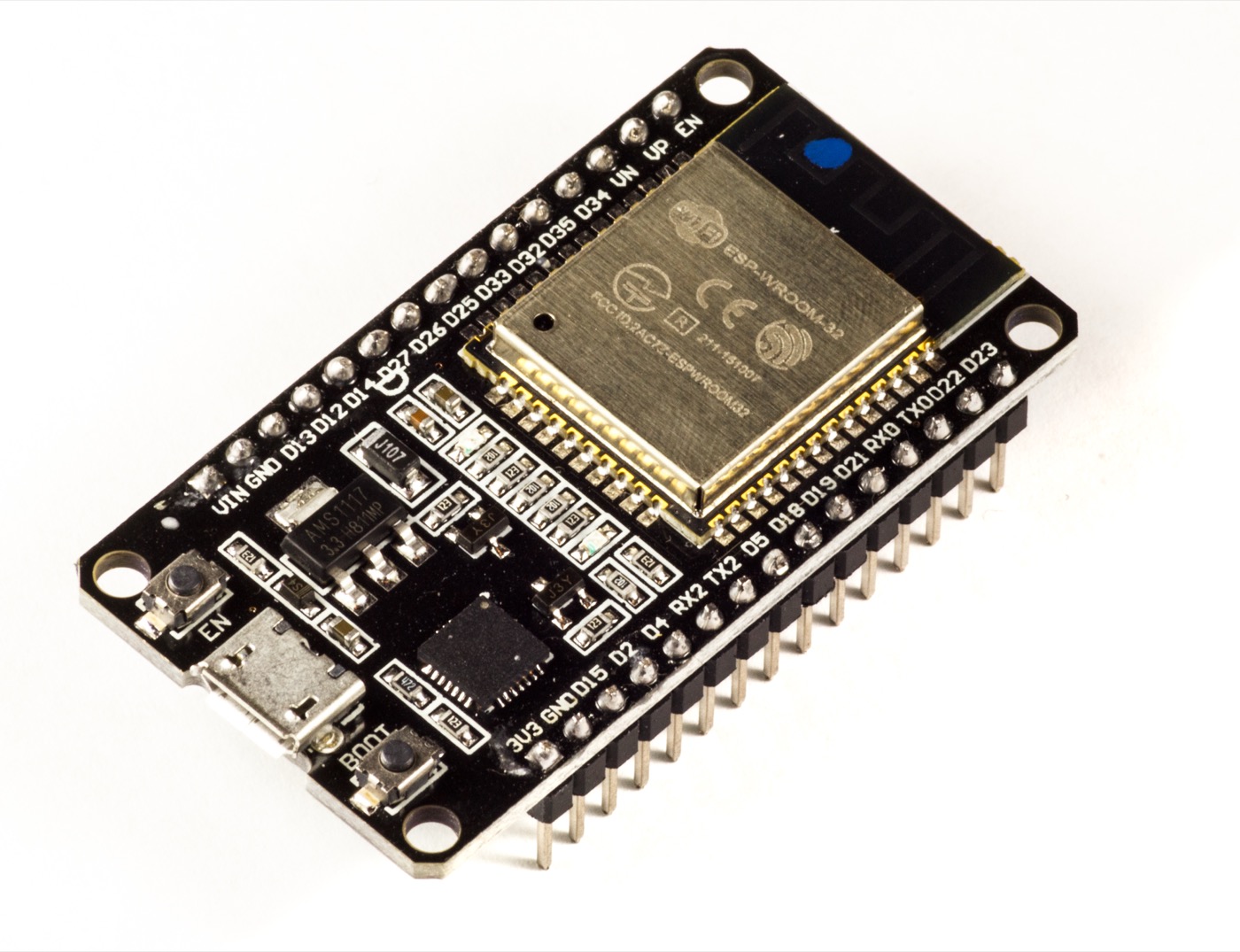 | | 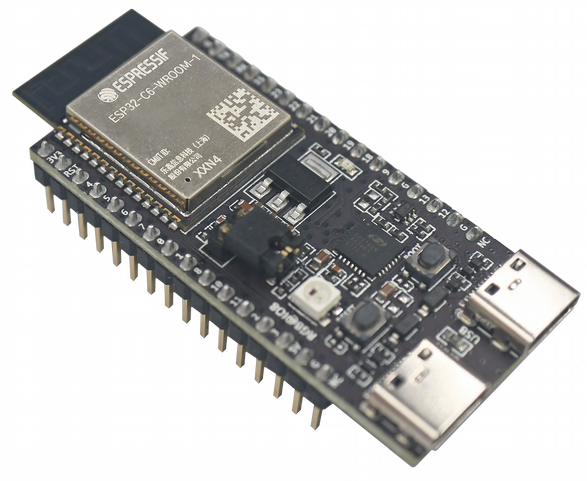 |  |
|---|---|---|---|---|---|
| M5StickC PLUS2 / ESP32-WROVER (LX6, with PSRAM) | ESP32-S3 (with PSRAM) | Bare ESP32 (LX6) (no PSRAM) | Bare ESP32-S3 (no PSRAM) | ESP32-C6 (RISC-V, no PSRAM) | XIAO ESP32-C5 (RISC-V, with PSRAM) |
server-esp32-psram/ | server-esp32-s3-psram/ | server-esp32/ | server-esp32-s3/ | server-esp32-c6/ | server-esp32-c5-psram/ |
server-esp32-psram/ — relay + discovery
(internet-wide reachability).server-esp32-s3-psram/ — the same full
relay + discovery build on S3 hardware.server-esp32/.server-esp32-s3/.server-esp32-c6/.server-esp32-c5-psram/ — relay + discovery.server-esp32-p4/ —
relay + discovery, WiFi via ESP-Hosted.The no-PSRAM boards are LAN-direct only: dial them with the long ticket (which carries the IP), from the same network. Relay and pkarr discovery need the RAM headroom that only PSRAM provides — see the PSRAM variants.
Run the client/ on a desktop to dial whichever server you
flashed (or the wasm-gui/ in a browser, against the PSRAM
server).
There are a very large number of ESP32 variants out there. We tried to cover the most important variants in the server projects. Here is some general advice to get iroh to run on your board.
We do support both CPU architectures, XTensa for ESP32 and ESP32-S3, RISC-V for ESP32-C* and ESP32-P*. For Xtensa you will need a special tool chain, RISC-V is supported out of the box by rust.
All eight release applications fit a 4 MiB single-app flash layout. Flash capacity does not establish runtime RAM headroom.
If your board does not come with PSRAM, you will need to disable the relay connection and can only dial the endpoint with long tickets containing an IP address. You will also need to tweak QUIC buffers.
225 followers · starred Jun 2026
This repository contains several completely separate Rust projects (no Cargo workspace). Each is one server variant — an iroh echo endpoint for a specific ESP32 — plus two clients to dial them.
Each keeps the largest configuration that runs reliably on that board:
server-esp32-psram/ — ESP32-WROVER / M5StickC
(LX6) with PSRAM. Enough RAM for relay + pkarr discovery.server-esp32-s3-psram/ — ESP32-S3
with PSRAM. Also gets relay + pkarr discovery (same full build, S3
hardware).server-esp32/ — bare ESP32 (LX6),
no PSRAM. LAN-direct echo (relay doesn't fit without PSRAM).server-esp32-s3/ — ESP32-S3, no PSRAM. LAN-direct.server-esp32-c6/ — ESP32-C6, the RISC-V variant
(riscv32imac-esp-espidf), no PSRAM. LAN-direct.server-esp32-c61-psram/ — ESP32-C61, the
RISC-V + PSRAM variant (2 MB). Runs the full relay + pkarr discovery build
(dialable across networks), tuned to fit the C61's tighter internal SRAM — small
buffers + a 96 KB stack (see its README). Needs newer tooling (ESP-IDF v5.5.2+,
esp-idf-svc 0.52, espflash 4.4).server-esp32-c5-psram/ — ESP32-C5, the
RISC-V + PSRAM variant with dual-band WiFi 6. Tested on the Seeed Studio
XIAO ESP32-C5 (8 MB PSRAM). Runs the full relay + pkarr discovery build with
the C61's memory settings; same newer tooling as the C61.server-esp32-p4/ — ESP32-P4, the big dual-core
RISC-V application chip (riscv32imafc-esp-espidf — it has an FPU), 768 KB
SRAM, 32 MB in-package PSRAM — and no radio of its own: WiFi comes from
the board's ESP32-C6 companion over SDIO (ESP-Hosted + esp_wifi_remote,
transparent to the code). Runs the full relay + pkarr discovery build —
the roomiest iroh node in this repo. Tested on a Waveshare ESP32-P4-NANO.
Same newer tooling as the C61; mind its README's chip-revision trap.noq-interop/ — an ESP32-C6 echo server that runs
bare noq QUIC (no iroh endpoint) with iroh's
raw-public-key TLS profile, so iroh endpoints can dial it via a long ticket.
Its app image is 1.69 MiB.provisioning/ — WiFi provisioning over BLE from a
web page, with the credentials encrypted to the device's iroh endpoint id.
XIAO ESP32-C5; stops once WiFi is up, before binding an endpoint.client/ — desktop CLI client.wasm-gui/ — browser echo client (Rust → WebAssembly).
Relay-only, so it talks to a PSRAM server (server-esp32-psram or
server-esp32-s3-psram).Each directory has its own Cargo.toml, lockfile, and README with build/run
instructions.
| | | | | |
|---|---|---|---|---|---|
| M5StickC PLUS2 / ESP32-WROVER (LX6, with PSRAM) | ESP32-S3 (with PSRAM) | Bare ESP32 (LX6) (no PSRAM) | Bare ESP32-S3 (no PSRAM) | ESP32-C6 (RISC-V, no PSRAM) | XIAO ESP32-C5 (RISC-V, with PSRAM) |
server-esp32-psram/ | server-esp32-s3-psram/ | server-esp32/ | server-esp32-s3/ | server-esp32-c6/ | server-esp32-c5-psram/ |
server-esp32-psram/ — relay + discovery
(internet-wide reachability).server-esp32-s3-psram/ — the same full
relay + discovery build on S3 hardware.server-esp32/.server-esp32-s3/.server-esp32-c6/.server-esp32-c5-psram/ — relay + discovery.server-esp32-p4/ —
relay + discovery, WiFi via ESP-Hosted.The no-PSRAM boards are LAN-direct only: dial them with the long ticket (which carries the IP), from the same network. Relay and pkarr discovery need the RAM headroom that only PSRAM provides — see the PSRAM variants.
Run the client/ on a desktop to dial whichever server you
flashed (or the wasm-gui/ in a browser, against the PSRAM
server).
There are a very large number of ESP32 variants out there. We tried to cover the most important variants in the server projects. Here is some general advice to get iroh to run on your board.
We do support both CPU architectures, XTensa for ESP32 and ESP32-S3, RISC-V for ESP32-C* and ESP32-P*. For Xtensa you will need a special tool chain, RISC-V is supported out of the box by rust.
All eight release applications fit a 4 MiB single-app flash layout. Flash capacity does not establish runtime RAM headroom.
If your board does not come with PSRAM, you will need to disable the relay connection and can only dial the endpoint with long tickets containing an IP address. You will also need to tweak QUIC buffers.
225 followers · starred Jun 2026