Heuristics for effective management.
This is a collection of heuristics I've learned from my own experience and from other managers. It's meant to be a living document. I try to keep it short and to the point.
This is mostly advice for people starting their career as a manager. It's also useful for experienced managers who want to improve their skills.
Your job first and foremost is to execute. As a manager, you are a leader who harnesses your team's skills to achieve specific goals. To accomplish this, you need to be an adept coach, communicator, and decision-maker. However, these roles are merely means to an end.
An exceptional engineering manager elevates the team's standards by fostering a culture of continuous improvement and innovation. Every week should mark a new milestone, with the team surpassing its previous achievements in efficiency, creativity, and problem-solving. You don’t just manage; you lead by example, inspiring a sharper focus and a profound sense of purpose. The progress is tangible and energizing. While staff engineers act as force multipliers through technology, you serve as a multiplier through people.
Effective engineering managers ought to possess a strong technical background, having firsthand experience with the challenges their teams encounter. I advise individuals to consider transitioning into management only after reaching at least a senior engineer level and ideally have at least 10 years of technical individual contributor experience. It's essential to bear the battle scars of technical endeavors.
Such managers should comprehend the technical intricacies of a project and even be capable of contributing to it. They must be adept at making technical decisions and articulate the reasoning behind them. However, this doesn't imply they should be actively coding on the critical path or making all the decisions.
If you have more than 7 direct reports*, you should generally avoid coding in the critical path to ensure you're not blocking the team on critical features or incidents. Tips from Charity Majors:
*this number may vary based on your meeting load
Never skip one-on-ones. They serve as an essential mechanism for coaching and providing feedback, as well as fostering a connection with your team member. Most engineers cherish these sessions, and if they don't, it's often because they haven't experienced a well-conducted one-on-one.
Do note that these recommendations primarily pertain to one-on-ones with individual contributors. One-on-ones with managers typically lean more towards "business" matters, emphasizing strategy, team well-being, and project planning.
Some general tips:
Encourage your direct reports to bring up topics:
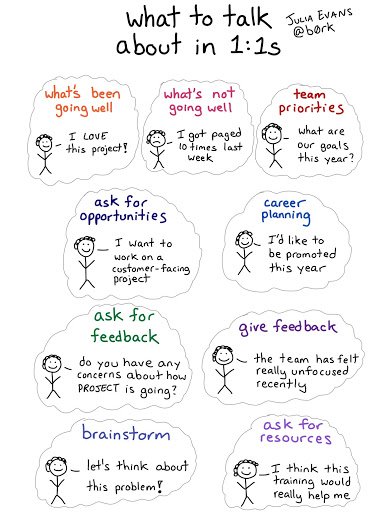
For further reading, see Getting more from your one on ones for more thoughts on effective one on ones.
It's your job as a manager to make sure your team is running as effectively as possible. To that end, every high performing team should possess three key attributes:
Lacking these pillars (credit to Dan Pink), teams risk being less effective and may experience diminished motivation.
For further reading, check out Team Topologies, which goes deeper into team organization theory.
Coaching is the most important skill a manager can have. It's the best way to help your reports grow and take ownership of their work.
There is no one right way to manage projects. It depends on the team's size, the type of project, and the team's maturity. Here are some general tips:
For an amazing book on project execution check out How Big Things Get Done.
Giving great feedback to reports/managers/peers is one of the most impactful things you can do to drive alignment and build trust.
For further reading, see The rise of feedback: Why feedback skills have become urgent and Want to get better feedback? Ask a better question. Here’s how..
No matter what level you are in the organization, you should be thinking strategically and in the context of your team solving business problems. This means understanding the big picture and how your team's work fits into it.
Questions you should be asking yourself:
Great books on strategy:
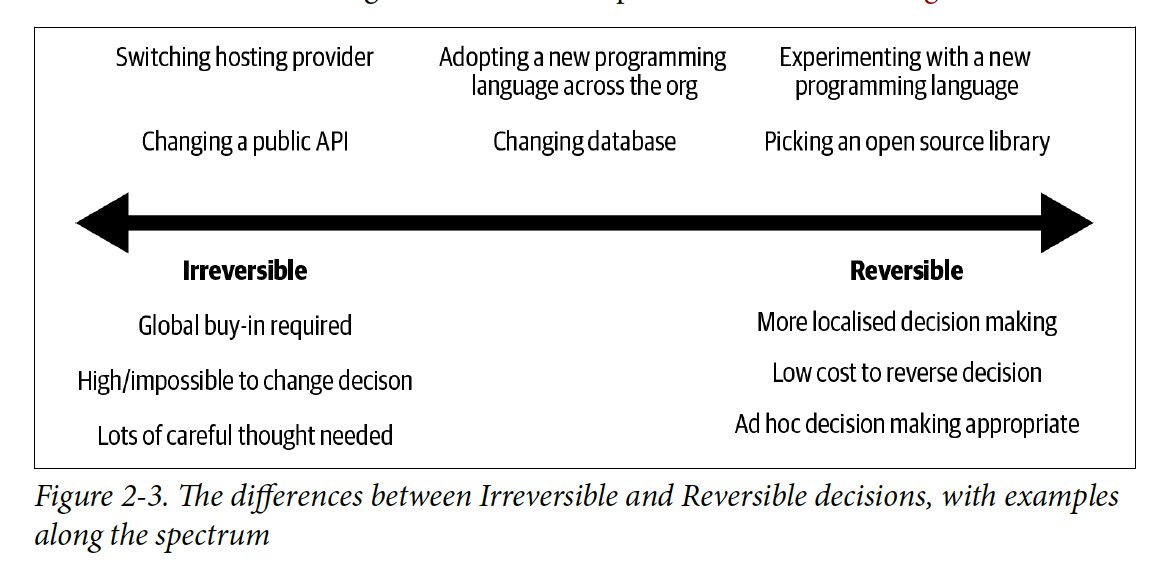
"Don’t defer decisions to meetings. Make decisions on the spot, communicate it over long-form writing, and use the meeting to discuss it." – Erik Bernhardsson
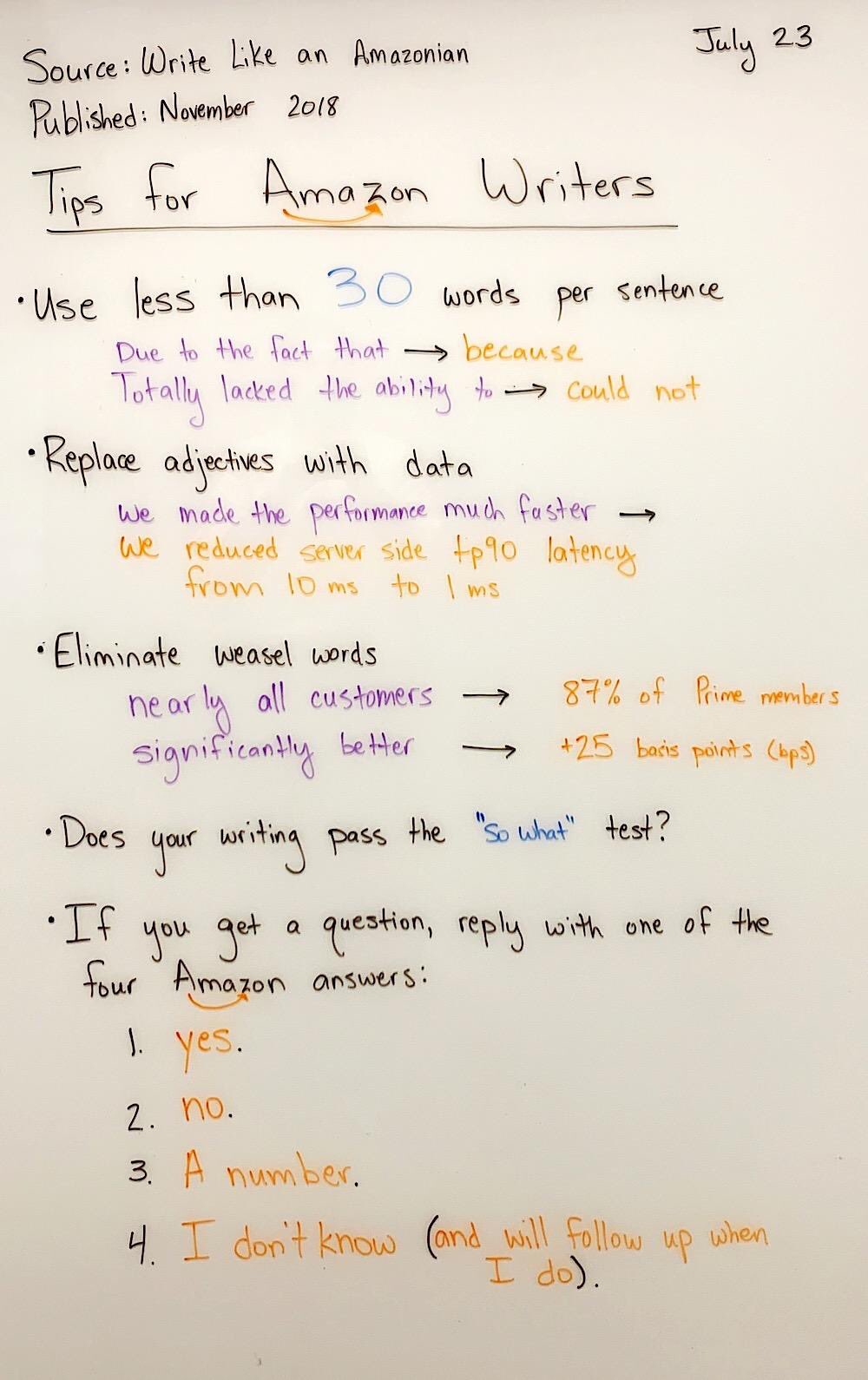
If you can 'hire tough,' you can 'manage easy' – Sue Tetzlaff, The Employee Experience
Hiring is the most important decision a manager makes. It's also the most difficult. It's a skill that can be learned and improved upon.
What to look for in engineers:
What to watch out for:
Questions to ask yourself about the candidate:
You should take the opportunity to do reference calls. They can tell you a lot about the candidate. Here are some tips: https://gist.github.com/ksindi/bbade71640bb62c4547348c3bb355739.
Having a good onboarding process is crucial to the success of your team. It ensures new members are contributing as early as possible and are assimilated into your processes and culture.
An onboarding process is successful if your new team member can contribute a bug fix on their first day of joining.
Onboarding material:
I like to organize standups where on-call engineers lead during Monday, Wednesday and Friday. This gives them a chance to practice public speaking. On Thursdays, the Engineering Manager (EM) or Product Manger (PM) lead the standup and talk about priorities and strategy.
The Engineering Manager or Product Manager leads the standup to discuss priorities and strategy. This is a good time to discuss any changes to the roadmap. The goal is to make sure everyone is on the same page and aligned.
Here are some great resources on management:
(top 24 of 66)
2,417 followers · starred Apr 2020
177 followers · starred May 2020
771 followers · starred Jul 2021
7,136 followers · starred Apr 2020
Heuristics for effective management.
This is a collection of heuristics I've learned from my own experience and from other managers. It's meant to be a living document. I try to keep it short and to the point.
This is mostly advice for people starting their career as a manager. It's also useful for experienced managers who want to improve their skills.
Your job first and foremost is to execute. As a manager, you are a leader who harnesses your team's skills to achieve specific goals. To accomplish this, you need to be an adept coach, communicator, and decision-maker. However, these roles are merely means to an end.
An exceptional engineering manager elevates the team's standards by fostering a culture of continuous improvement and innovation. Every week should mark a new milestone, with the team surpassing its previous achievements in efficiency, creativity, and problem-solving. You don’t just manage; you lead by example, inspiring a sharper focus and a profound sense of purpose. The progress is tangible and energizing. While staff engineers act as force multipliers through technology, you serve as a multiplier through people.
Effective engineering managers ought to possess a strong technical background, having firsthand experience with the challenges their teams encounter. I advise individuals to consider transitioning into management only after reaching at least a senior engineer level and ideally have at least 10 years of technical individual contributor experience. It's essential to bear the battle scars of technical endeavors.
Such managers should comprehend the technical intricacies of a project and even be capable of contributing to it. They must be adept at making technical decisions and articulate the reasoning behind them. However, this doesn't imply they should be actively coding on the critical path or making all the decisions.
If you have more than 7 direct reports*, you should generally avoid coding in the critical path to ensure you're not blocking the team on critical features or incidents. Tips from Charity Majors:
*this number may vary based on your meeting load
Never skip one-on-ones. They serve as an essential mechanism for coaching and providing feedback, as well as fostering a connection with your team member. Most engineers cherish these sessions, and if they don't, it's often because they haven't experienced a well-conducted one-on-one.
Do note that these recommendations primarily pertain to one-on-ones with individual contributors. One-on-ones with managers typically lean more towards "business" matters, emphasizing strategy, team well-being, and project planning.
Some general tips:
Encourage your direct reports to bring up topics:
For further reading, see Getting more from your one on ones for more thoughts on effective one on ones.
It's your job as a manager to make sure your team is running as effectively as possible. To that end, every high performing team should possess three key attributes:
Lacking these pillars (credit to Dan Pink), teams risk being less effective and may experience diminished motivation.
For further reading, check out Team Topologies, which goes deeper into team organization theory.
Coaching is the most important skill a manager can have. It's the best way to help your reports grow and take ownership of their work.
There is no one right way to manage projects. It depends on the team's size, the type of project, and the team's maturity. Here are some general tips:
For an amazing book on project execution check out How Big Things Get Done.
Giving great feedback to reports/managers/peers is one of the most impactful things you can do to drive alignment and build trust.
For further reading, see The rise of feedback: Why feedback skills have become urgent and Want to get better feedback? Ask a better question. Here’s how..
No matter what level you are in the organization, you should be thinking strategically and in the context of your team solving business problems. This means understanding the big picture and how your team's work fits into it.
Questions you should be asking yourself:
Great books on strategy:
"Don’t defer decisions to meetings. Make decisions on the spot, communicate it over long-form writing, and use the meeting to discuss it." – Erik Bernhardsson
If you can 'hire tough,' you can 'manage easy' – Sue Tetzlaff, The Employee Experience
Hiring is the most important decision a manager makes. It's also the most difficult. It's a skill that can be learned and improved upon.
What to look for in engineers:
What to watch out for:
Questions to ask yourself about the candidate:
You should take the opportunity to do reference calls. They can tell you a lot about the candidate. Here are some tips: https://gist.github.com/ksindi/bbade71640bb62c4547348c3bb355739.
Having a good onboarding process is crucial to the success of your team. It ensures new members are contributing as early as possible and are assimilated into your processes and culture.
An onboarding process is successful if your new team member can contribute a bug fix on their first day of joining.
Onboarding material:
I like to organize standups where on-call engineers lead during Monday, Wednesday and Friday. This gives them a chance to practice public speaking. On Thursdays, the Engineering Manager (EM) or Product Manger (PM) lead the standup and talk about priorities and strategy.
The Engineering Manager or Product Manager leads the standup to discuss priorities and strategy. This is a good time to discuss any changes to the roadmap. The goal is to make sure everyone is on the same page and aligned.
Here are some great resources on management:
(top 24 of 66)
2,417 followers · starred Apr 2020
177 followers · starred May 2020
771 followers · starred Jul 2021
7,136 followers · starred Apr 2020



