
ant is a PyTorch-based Deep Learning framework. It is inspired by nanoGPT, although it does not borrow code from it. It tries to keep being research-friendly, while integrating (way) more features, following modern best practices and being modular. Specifically, among others, ant supports:
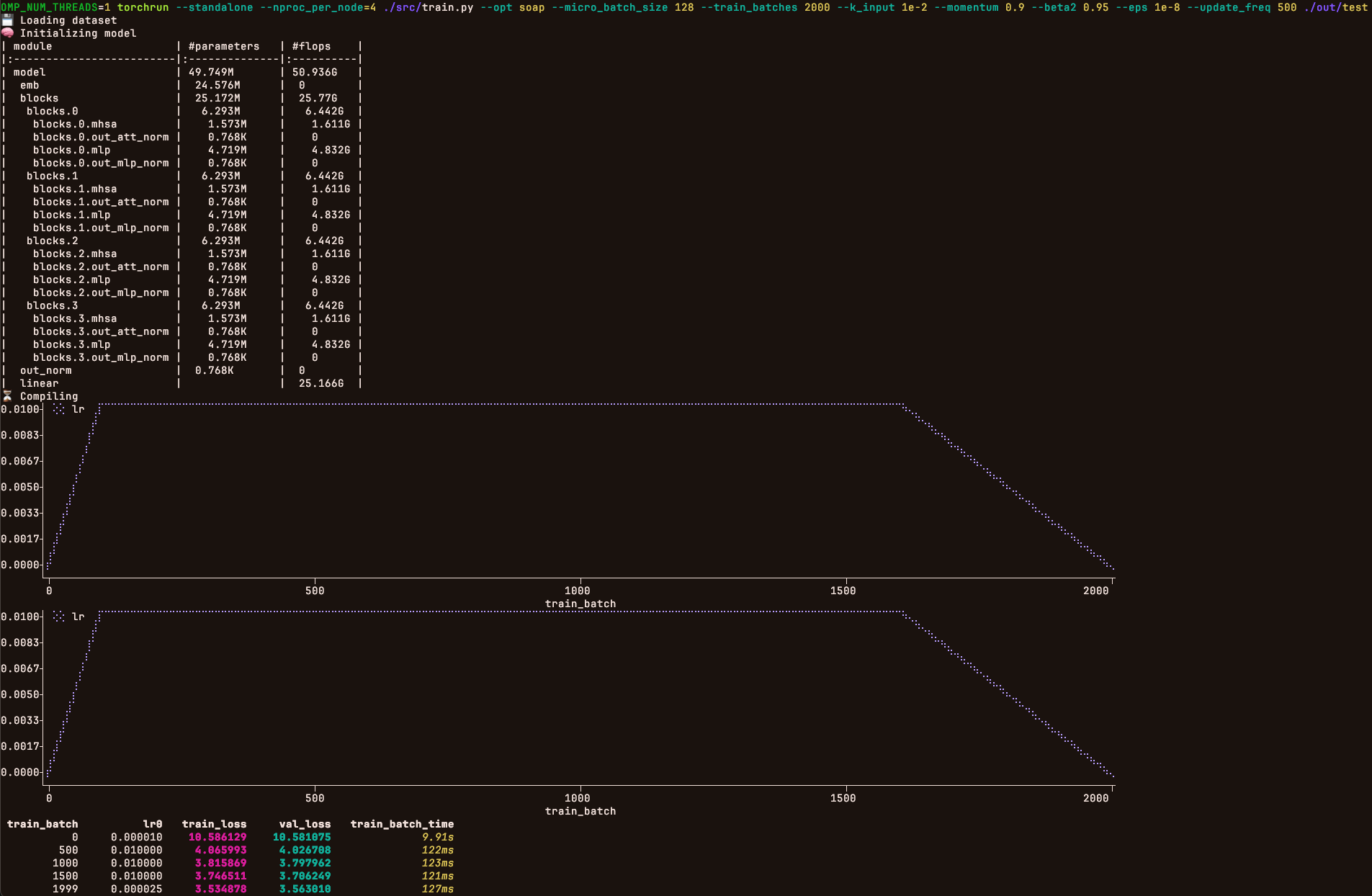
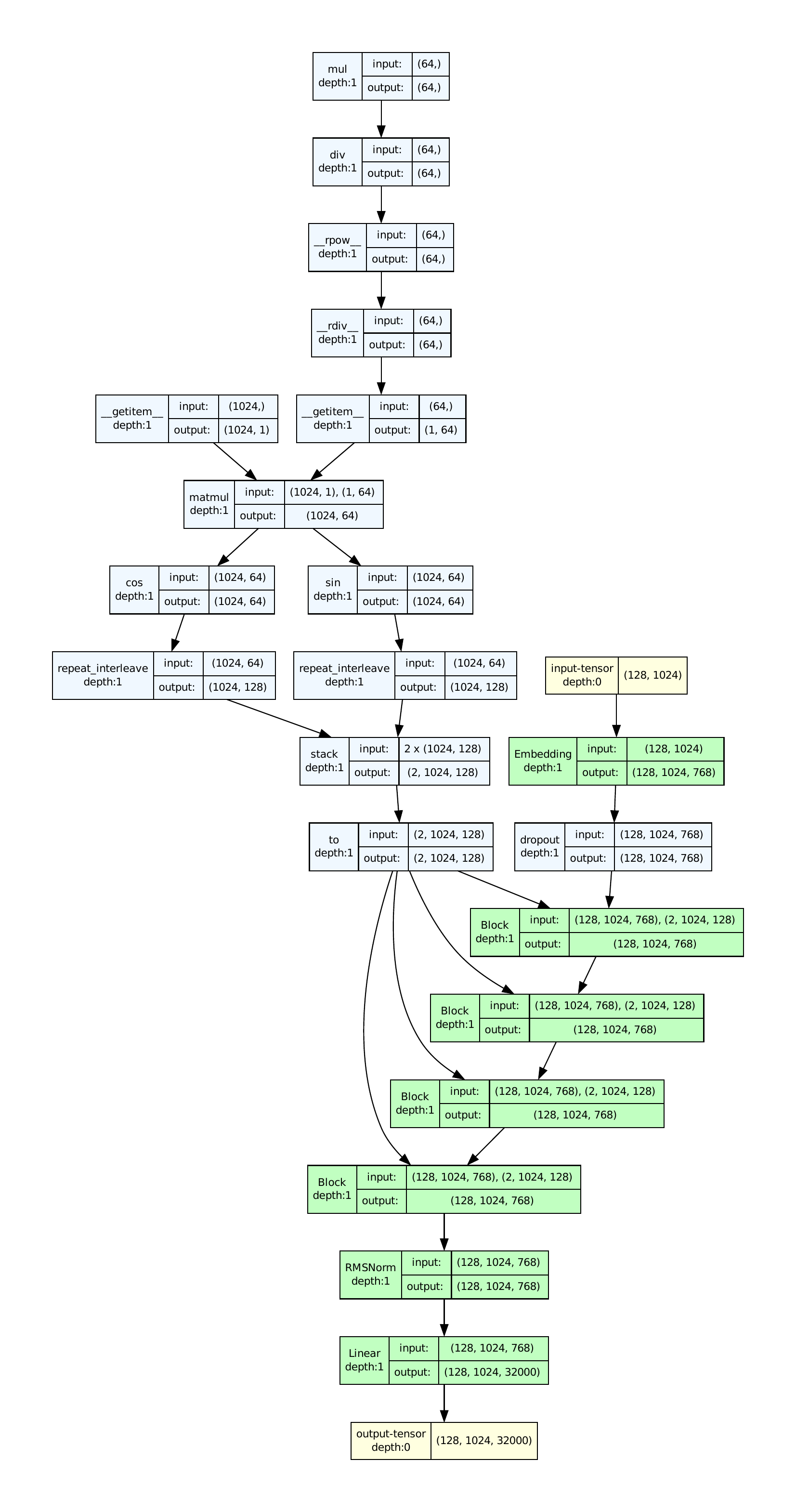
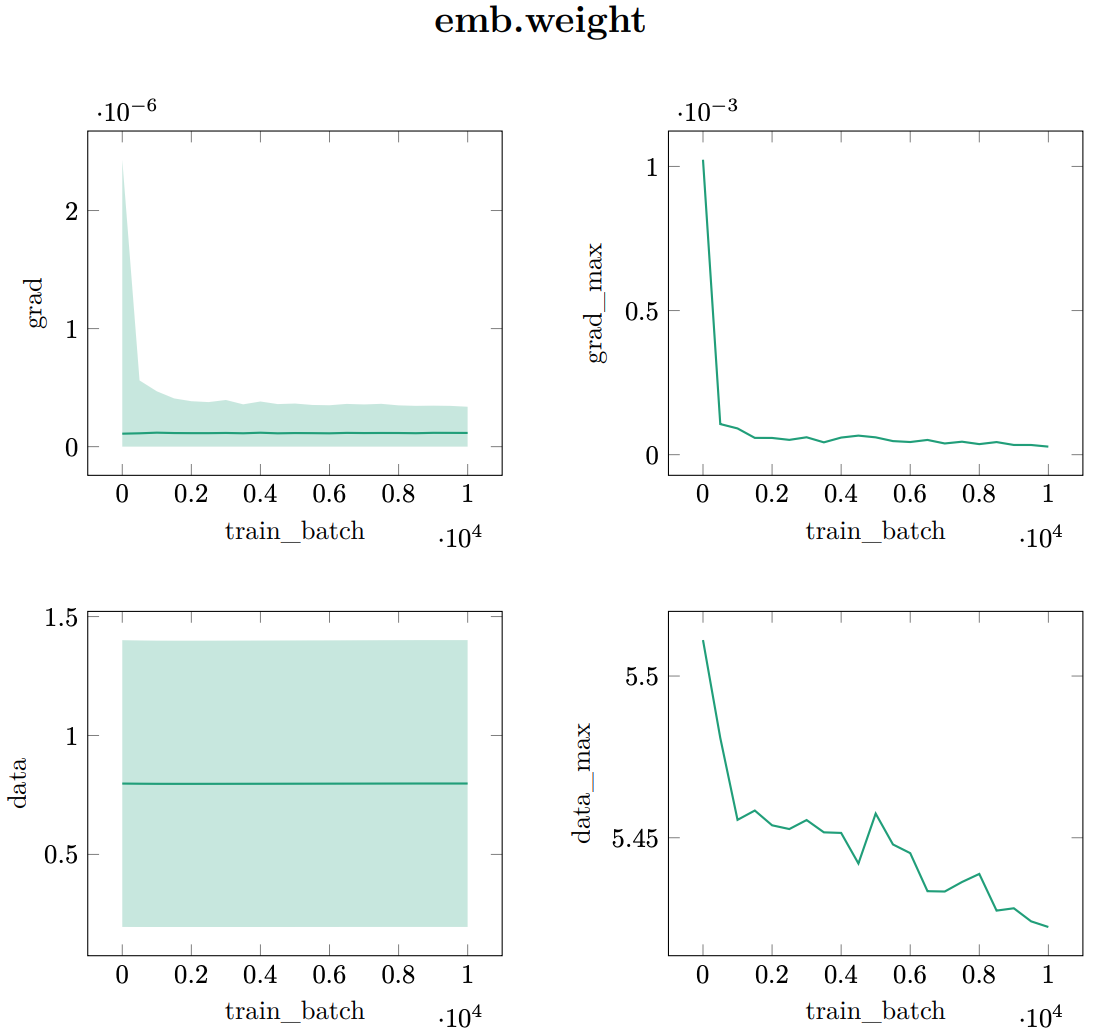
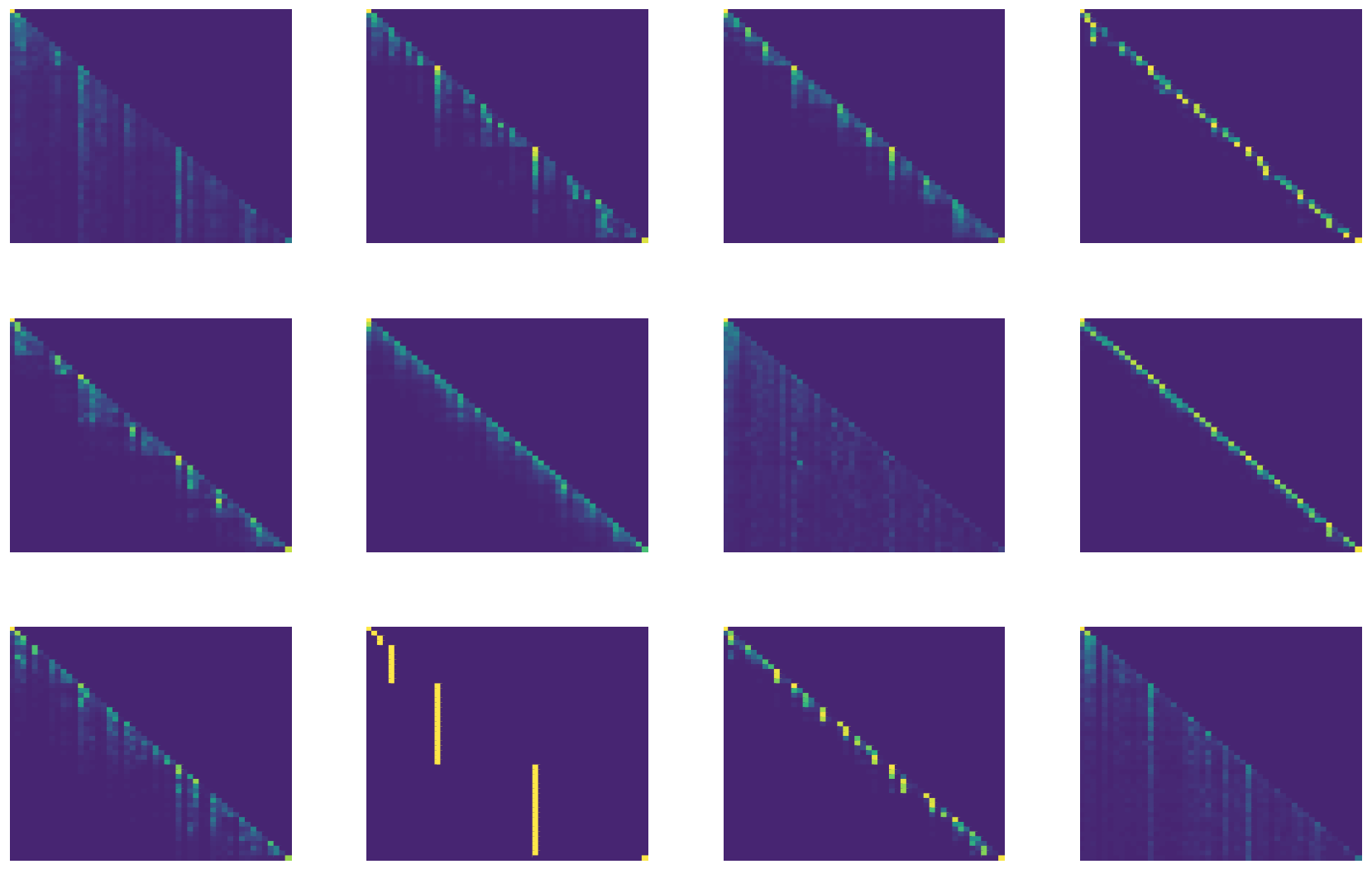
[!TIP] All scripts have a help menu available via
--help. In cases this is not enough, it is recommended that you look at the code (self-documenting) directly. Alternatively, if you are a vibe coder 🤖, you can try feeding the whole codebase to an LLM (e.g. via https://uithub.com/gvlassis/ant), or a coding agent (e.g. Codex CLI).
Clone the repo:
git clone https://github.com/gvlassis/ant.git
Install PyTorch and FlashAttention.
Install requirements.txt:
pip install -r requirements.txt
Prepare the dataset via ./src/data/make.py. The dataset is first downloaded from Hugging Face, processed, and then saved as tensors in .pt files. If you are lazy 🦥, you can also directly download the artifacts of the following command.
python ./src/data/make.py --dataset climbmix10m
Train a neural network via ./src/train.py. For training on cuda:0:
 # If you are not using μP, k_input is the learning rate
 python ./src/train.py --opt muon --micro_batch_size 32 --train_batches 2000 --k_input 3e-2 --momentum 0.95 --model_device_index 0 ./out/test
A lot of settings (e.g. depth, number of heads) are configured in ./src/models/utils_models.py/get_model_opts() and ./src/models/transformer.py. For one node with 4 GPUs:
OMP_NUM_THREADS=1 torchrun --standalone --nproc_per_node=4 ./src/train.py --opt shampoo --micro_batch_size 32 --train_batches 2000 --k_input 3e-3 --momentum 0.95 --beta2 0.95 --eps 1e-10 ./out/test
ant is a PyTorch-based Deep Learning framework. It is inspired by nanoGPT, although it does not borrow code from it. It tries to keep being research-friendly, while integrating (way) more features, following modern best practices and being modular. Specifically, among others, ant supports:
[!TIP] All scripts have a help menu available via
--help. In cases this is not enough, it is recommended that you look at the code (self-documenting) directly. Alternatively, if you are a vibe coder 🤖, you can try feeding the whole codebase to an LLM (e.g. via https://uithub.com/gvlassis/ant), or a coding agent (e.g. Codex CLI).
Clone the repo:
git clone https://github.com/gvlassis/ant.git
Install PyTorch and FlashAttention.
Install requirements.txt:
pip install -r requirements.txt
Prepare the dataset via ./src/data/make.py. The dataset is first downloaded from Hugging Face, processed, and then saved as tensors in .pt files. If you are lazy 🦥, you can also directly download the artifacts of the following command.
python ./src/data/make.py --dataset climbmix10m
Train a neural network via ./src/train.py. For training on cuda:0:
 # If you are not using μP, k_input is the learning rate
 python ./src/train.py --opt muon --micro_batch_size 32 --train_batches 2000 --k_input 3e-2 --momentum 0.95 --model_device_index 0 ./out/test
A lot of settings (e.g. depth, number of heads) are configured in ./src/models/utils_models.py/get_model_opts() and ./src/models/transformer.py. For one node with 4 GPUs:
OMP_NUM_THREADS=1 torchrun --standalone --nproc_per_node=4 ./src/train.py --opt shampoo --micro_batch_size 32 --train_batches 2000 --k_input 3e-3 --momentum 0.95 --beta2 0.95 --eps 1e-10 ./out/test



