A comparison of next-token-prediction-Models for DNA sequences. We provide a new loss function to inform models of DNA 1D-topology.
Python
4
116 commits
updated Apr 21, 2025
Recent years have seen a flurry of generative nucleotide models, still mostly of limited utility. In this short paper, we extend the theoretical unification of ecological and evolutionary change by Duthie & Luque to the the problem of synthetic DNA models. Through this extension, we provide, from first principles, methods for training improved models, grouping species as well as creating a road map to scale.
The original repo was a private branch hosted on Hassan's account which had the orginals collaborators contributions, so please be aware this repo is not a true quantitative representation of contributions.
Contributers:
By exploring these work packages...
...This project aims to:
Potential downstream applications for Nucleotide-only Language Models (LLMs) include:
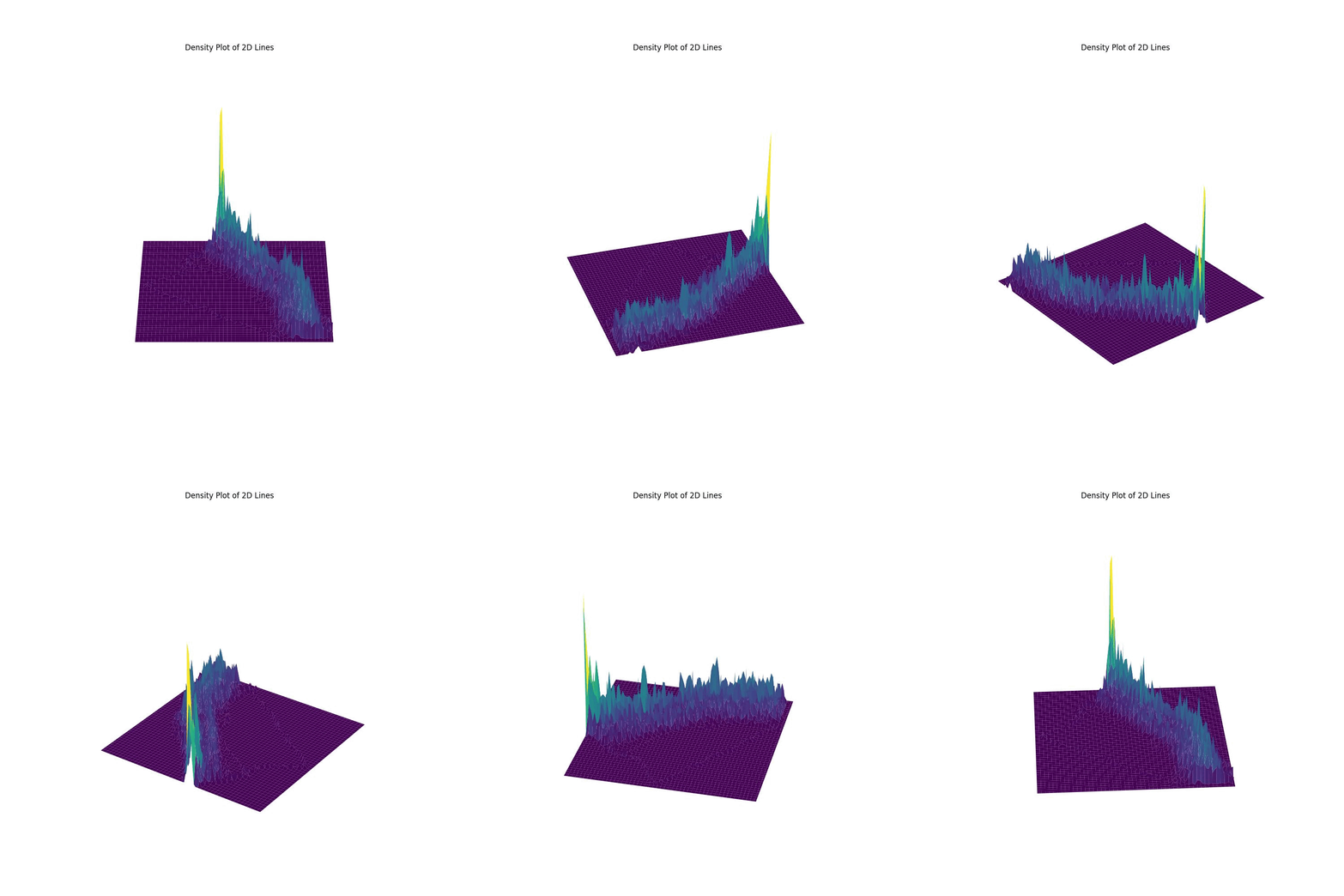 Figure 1. All samples of a representative viral family converted to a 2D density plot.
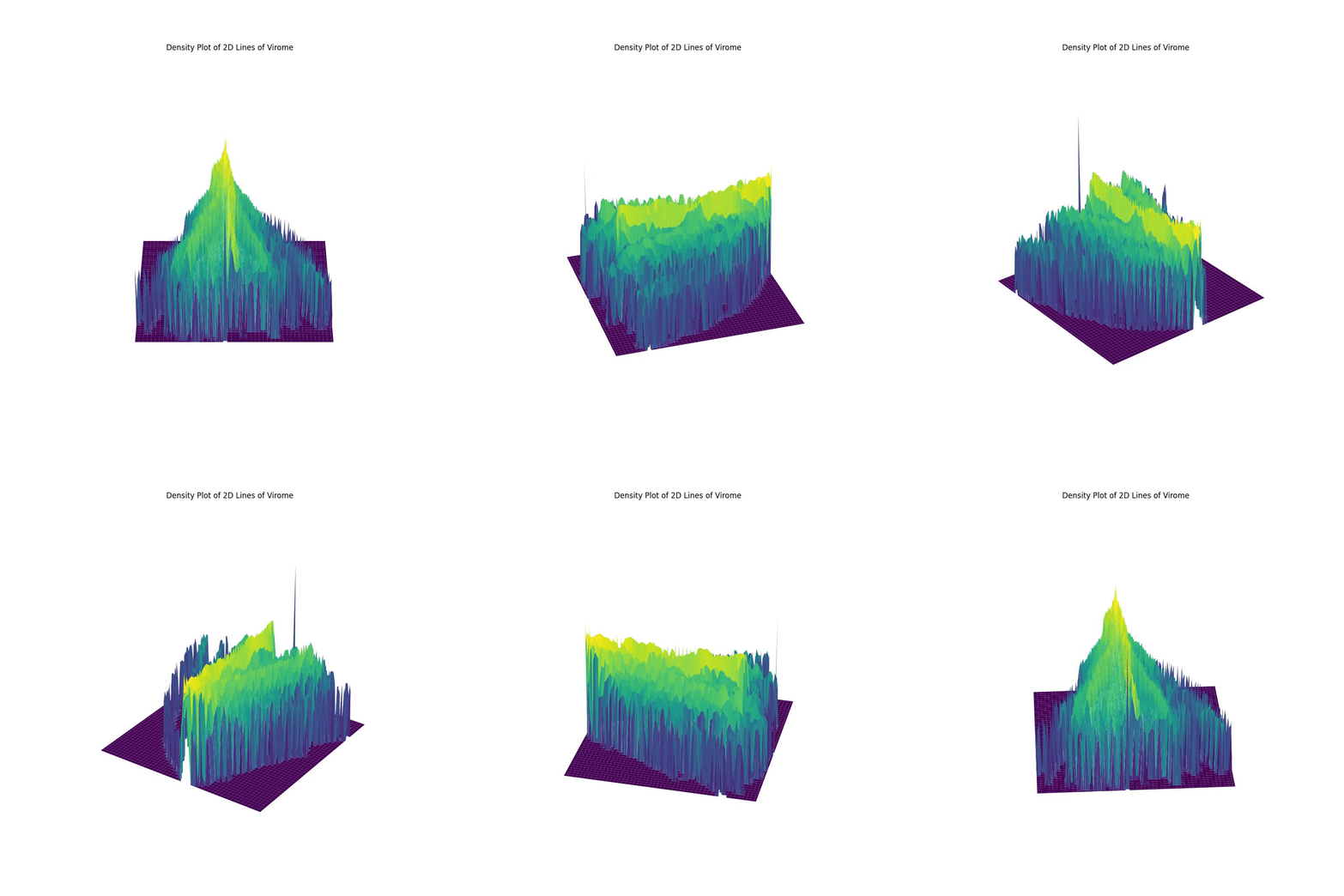 Figure 2. All samples of viruses contained within NCBI represented by a 2D density plot.
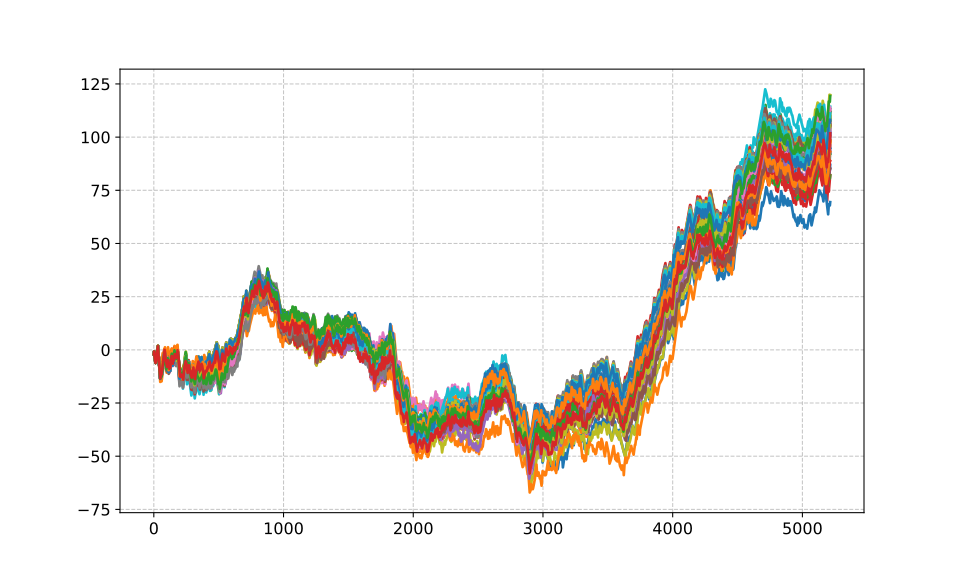 Figure 3. All samples of the Norwalk-virus species available in our dataset as of 2024. There is a clear pattern that can be opbserved for all sequences, it deteriorates towards the end, as to the cumulative nature of this representation.
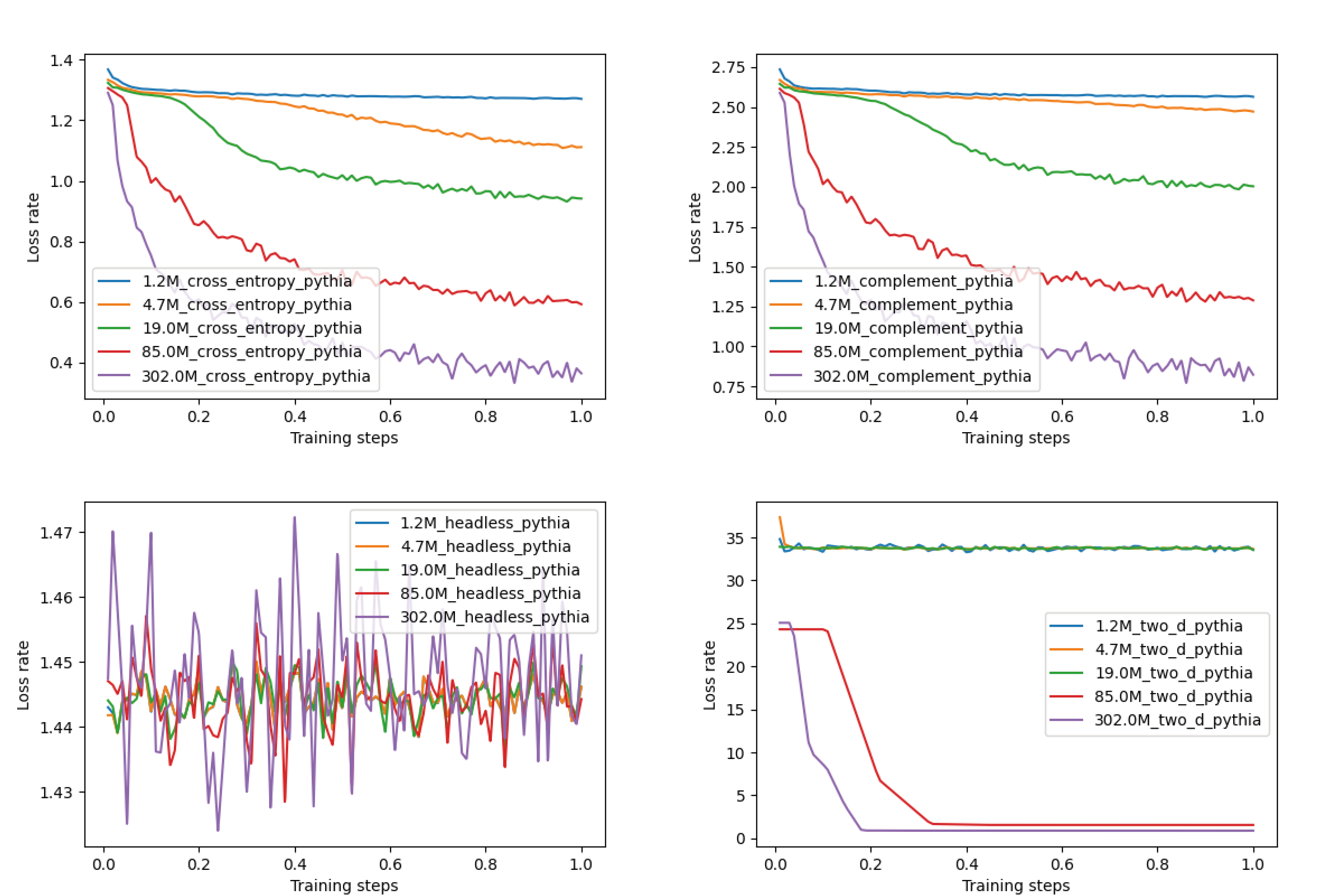 Figure 4. Exemplary runs of the Transformer Architecture Model Pythia. Model parameter sizes
reach from 1.2M to 302M.
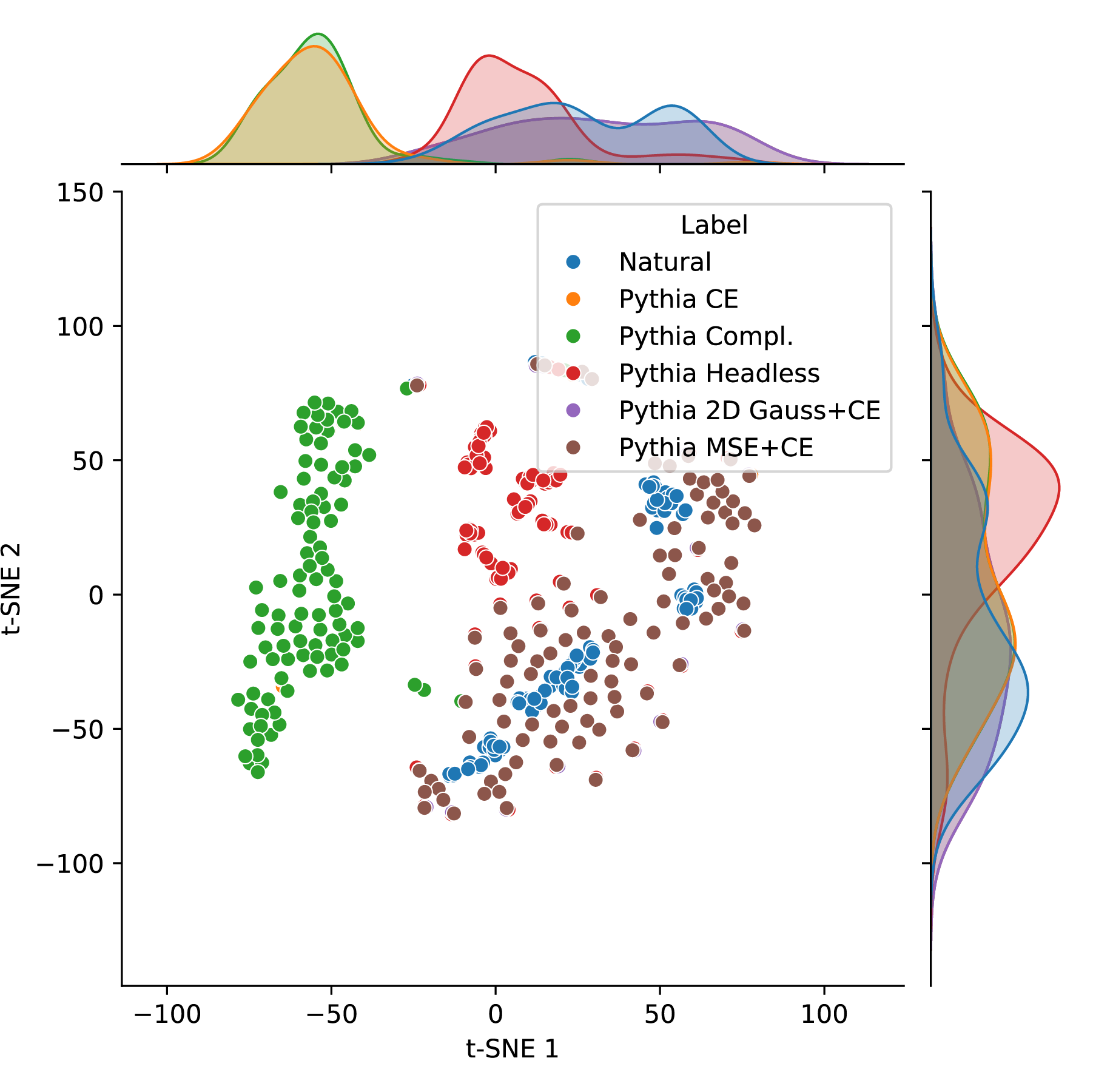 Figure 5. Comparison of generated and natural sequences in the Pythia model trained with different
pretraining losses. Natural sequences are colored blue. Seqs generated from Pythia with CE loss
orange, complement loss green, headless loss red, 2D and Gaussian distance violet, and 2D and MSE
brown.
For our initial nucleotide models, we will use the RefSeq dataset:
| Type | Tokens | Size | Huggingface |
|---|---|---|---|
| Fungi | 18B | 5.4GB | Fungi Genomes |
| Bacteria | 1368B | 402GB | Bacteria Genomes Part 1 Bacteria Genomes Part 2 Bacteria Genomes Part 3 Bacteria Genomes Part 4 |
| Invertebrate | 369B | 108GB | Invertebrate Genomes |
| Mammals | 859B | 252GB | Mammal Genomes Part 1 Mammal Genomes Part 2 |
| Vertebrate Other | 867B | 255GB | Non-mammal Vertebrate Genomes Part 1 Non-mammal Vertebrate Genomes Part 2 |
| Protozoa | 3.7B | 1GB | Protozoa Genomes |
| Plasmids | 6.4B | 1.89GB | Plasmid Genomes |
| Plastids | 2.1B | 0.63GB | Plastid Genomes |
| Archea | 5.4B | 1.588GB | Archea Genomes |
| Viruses | 0.54B | 0.161GB | Viral Genomes |
| Plants | 299B | 88.2GB | Plant Genomes |
| Mitochondrion | 0.537B | 0.158GB | Mitochondrion Genomes |
| Total | 3.8T | 1.12TB |
In addition to the RefSeq dataset, we'll create a DNA-natural language description dataset. The main reason for this is that in-context learning is a direct result of parallel structure. Therefore, to generate sequences based on natural language input, it is not sufficient to fine-tune the model on a question-answer dataset alone. Instead, we must also encode the desired output structure during the pre-training step.
See Benegas et al. 2024 for a review of all generative models of DNA sequences using a language modelling paradigm for training.
A comparison of next-token-prediction-Models for DNA sequences. We provide a new loss function to inform models of DNA 1D-topology.
Python
4
116 commits
updated Apr 21, 2025
Recent years have seen a flurry of generative nucleotide models, still mostly of limited utility. In this short paper, we extend the theoretical unification of ecological and evolutionary change by Duthie & Luque to the the problem of synthetic DNA models. Through this extension, we provide, from first principles, methods for training improved models, grouping species as well as creating a road map to scale.
The original repo was a private branch hosted on Hassan's account which had the orginals collaborators contributions, so please be aware this repo is not a true quantitative representation of contributions.
Contributers:
By exploring these work packages...
...This project aims to:
Potential downstream applications for Nucleotide-only Language Models (LLMs) include:
Figure 1. All samples of a representative viral family converted to a 2D density plot.
Figure 2. All samples of viruses contained within NCBI represented by a 2D density plot.
Figure 3. All samples of the Norwalk-virus species available in our dataset as of 2024. There is a clear pattern that can be opbserved for all sequences, it deteriorates towards the end, as to the cumulative nature of this representation.
Figure 4. Exemplary runs of the Transformer Architecture Model Pythia. Model parameter sizes
reach from 1.2M to 302M.
Figure 5. Comparison of generated and natural sequences in the Pythia model trained with different
pretraining losses. Natural sequences are colored blue. Seqs generated from Pythia with CE loss
orange, complement loss green, headless loss red, 2D and Gaussian distance violet, and 2D and MSE
brown.
For our initial nucleotide models, we will use the RefSeq dataset:
| Type | Tokens | Size | Huggingface |
|---|---|---|---|
| Fungi | 18B | 5.4GB | Fungi Genomes |
| Bacteria | 1368B | 402GB | Bacteria Genomes Part 1 Bacteria Genomes Part 2 Bacteria Genomes Part 3 Bacteria Genomes Part 4 |
| Invertebrate | 369B | 108GB | Invertebrate Genomes |
| Mammals | 859B | 252GB | Mammal Genomes Part 1 Mammal Genomes Part 2 |
| Vertebrate Other | 867B | 255GB | Non-mammal Vertebrate Genomes Part 1 Non-mammal Vertebrate Genomes Part 2 |
| Protozoa | 3.7B | 1GB | Protozoa Genomes |
| Plasmids | 6.4B | 1.89GB | Plasmid Genomes |
| Plastids | 2.1B | 0.63GB | Plastid Genomes |
| Archea | 5.4B | 1.588GB | Archea Genomes |
| Viruses | 0.54B | 0.161GB | Viral Genomes |
| Plants | 299B | 88.2GB | Plant Genomes |
| Mitochondrion | 0.537B | 0.158GB | Mitochondrion Genomes |
| Total | 3.8T | 1.12TB |
In addition to the RefSeq dataset, we'll create a DNA-natural language description dataset. The main reason for this is that in-context learning is a direct result of parallel structure. Therefore, to generate sequences based on natural language input, it is not sufficient to fine-tune the model on a question-answer dataset alone. Instead, we must also encode the desired output structure during the pre-training step.
See Benegas et al. 2024 for a review of all generative models of DNA sequences using a language modelling paradigm for training.