Minimal test scenes contains compute shaders, compute buffers etc Playing with the transport between CPU <-> GPU
Unity version : 6000.3 (Unity 6.3), contains both BuiltinRP and Universal Render Pipeline (URP) scenes
See branches for older Unity versions
Tested with : Win DX11
| Scene | Image | Description |
|---|---|---|
| 🔷 01_Compute_Texture 🔷 | ||
01_1_Basic | 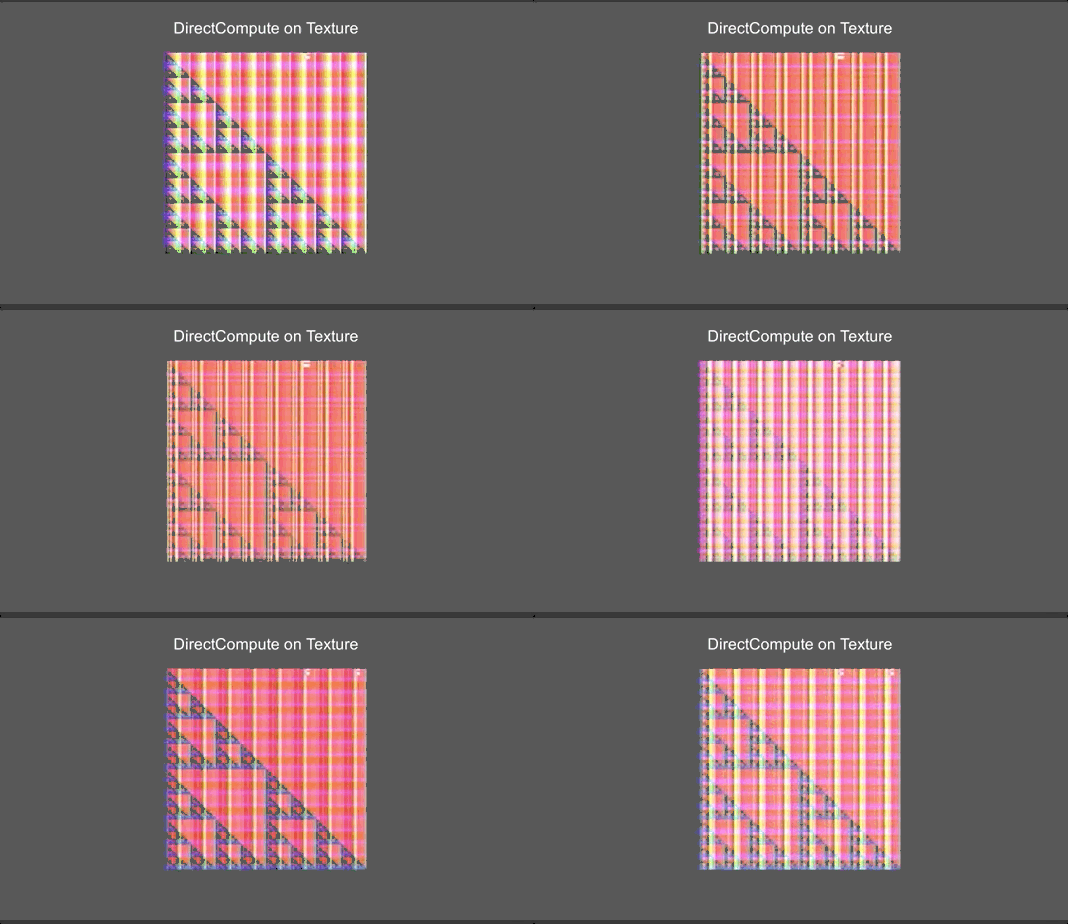 | The most basic one, edit texture with compute shader, shader takes the texture for rendering |
01_2_FallingSand | 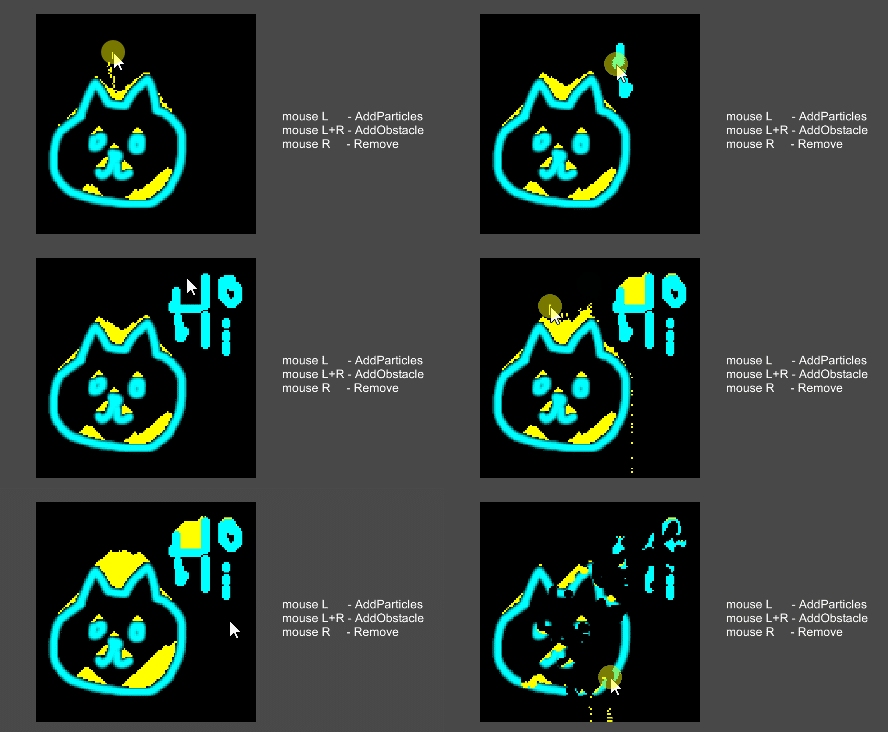 | Example of using compute to animate texture pixels |
01_3_Fluid_2D | 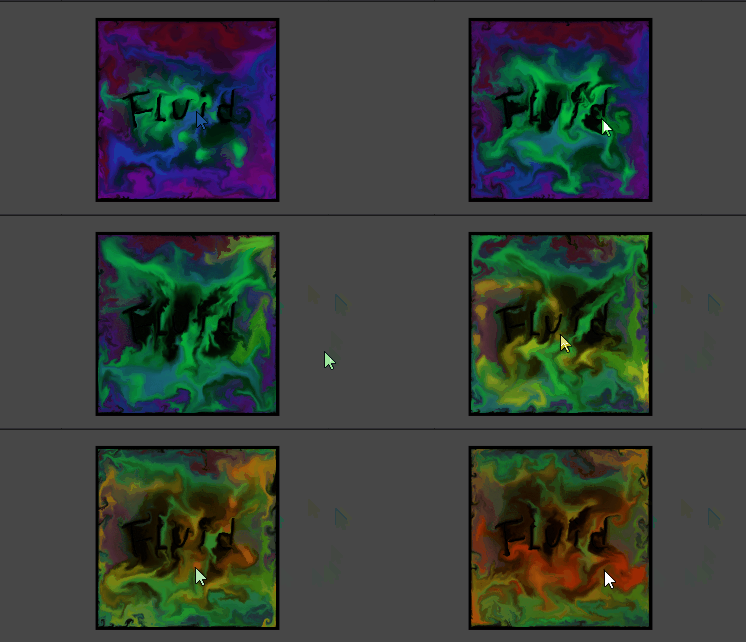 | GPU Fluid. Ref to Scrawk/GPU-GEMS-2D-Fluid-Simulation |
01_4_Fluid_3D | 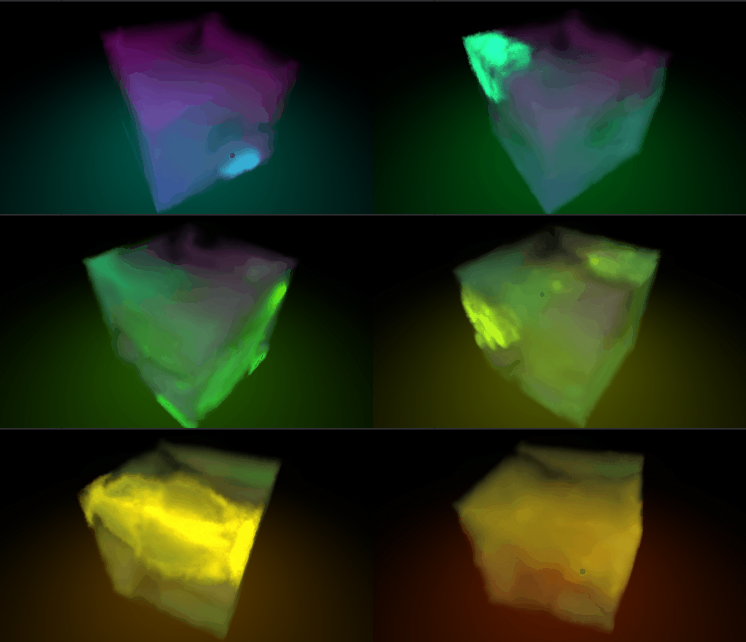 | A 3D version based on above GPU Fluid |
| 🔷 02_StructuredBuffer 🔷 | ||
02_1_StructuredBufferNoCompute | 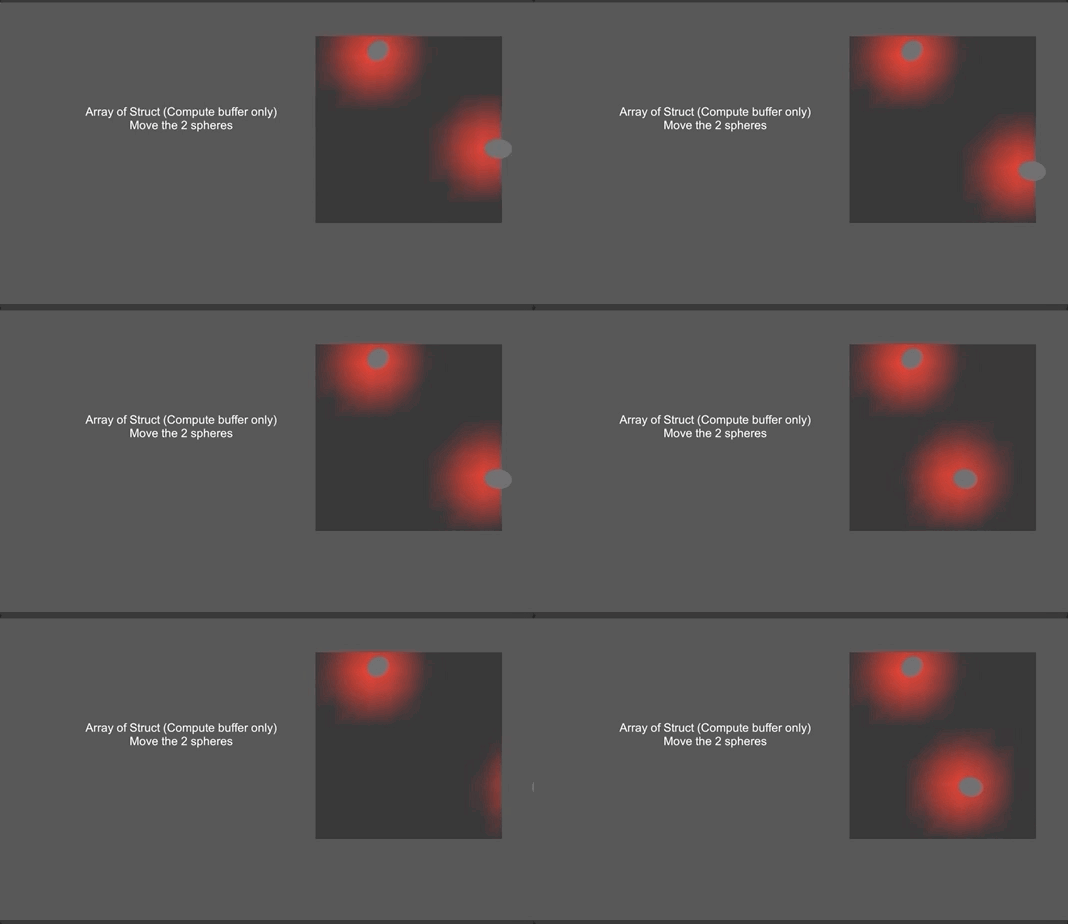 | ComputeBuffer can also be used in Shader, not just ComputeShader. The folder contains implementation of unlit vert-frag, surface shader and unlit URP shader |
02_2_ComputePaintTexture | 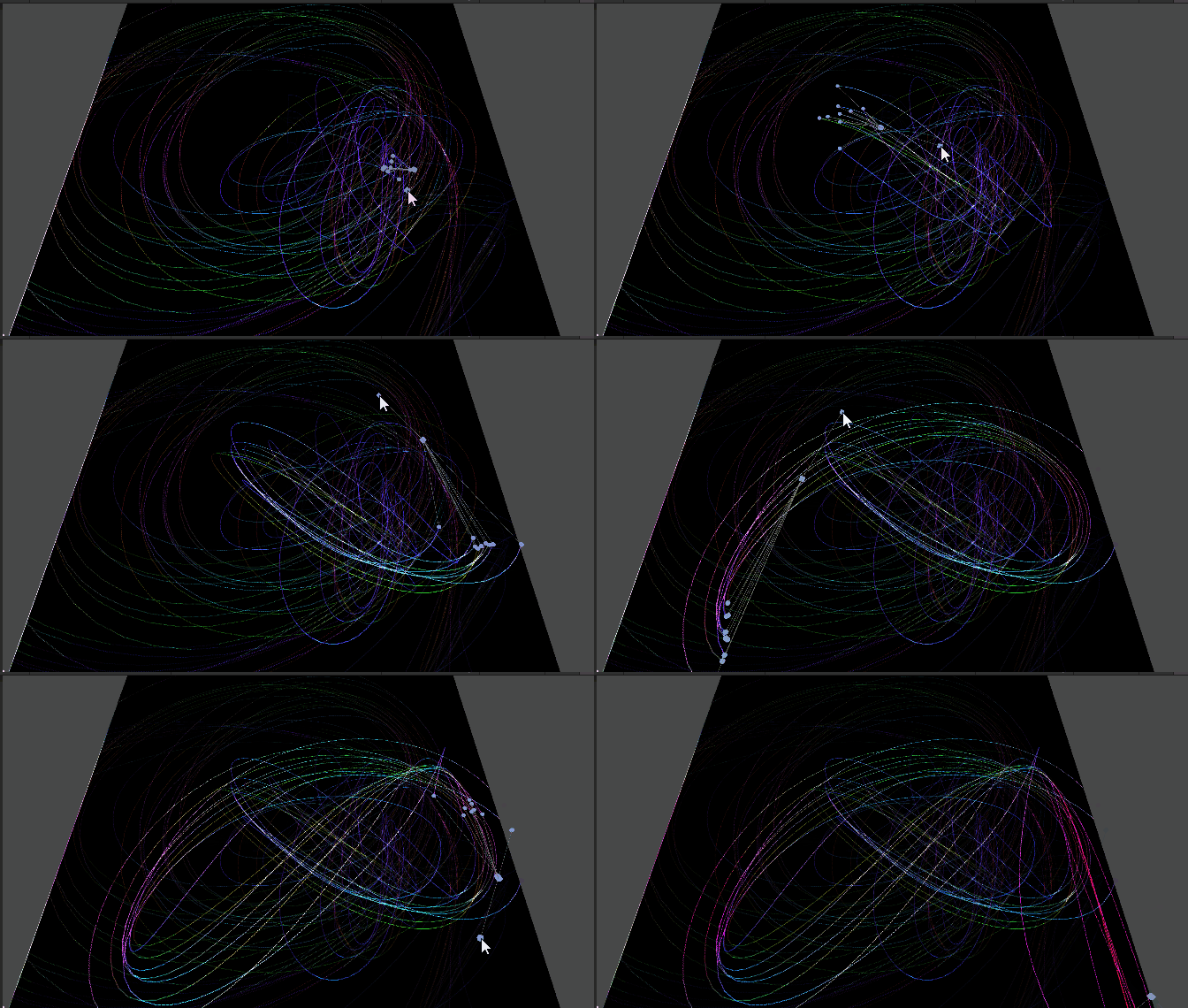 | Paint the texture by sending object positions to compute shader with StructuredBuffer |
02_3_RotatingCircles | 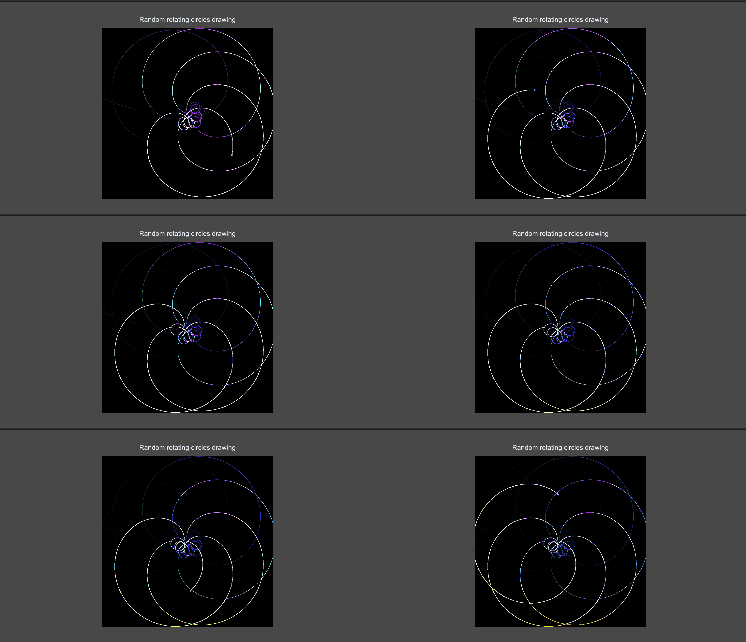 | Similar to above, just another playground scene |
02_4_ComputePaintTexture_DFT | 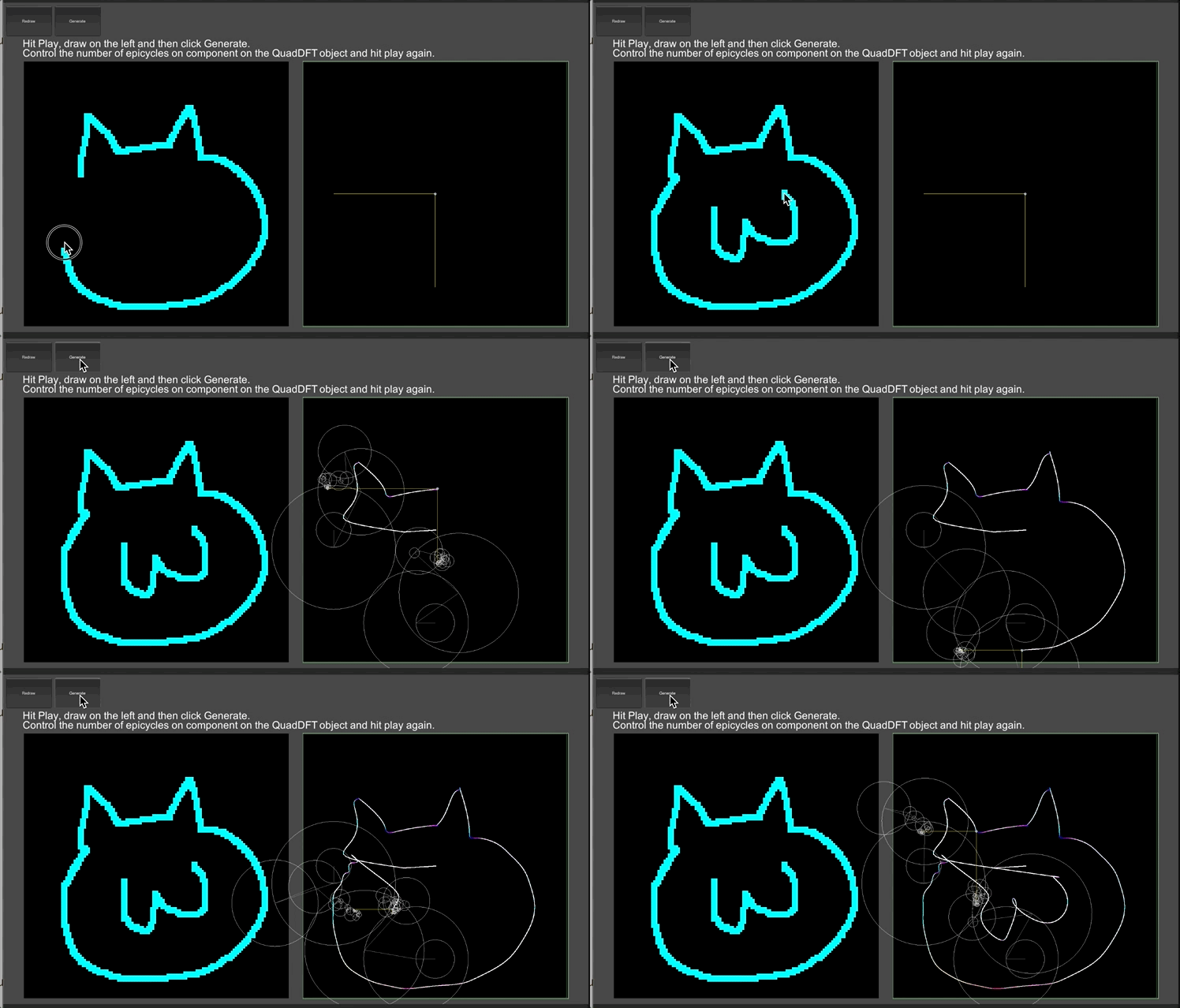 | Similar to above but drawing with Epicycles using Discrete Fourier Transform. Ref to The Coding Train's youtube video |
02_5_ComputeParticlesDirect | 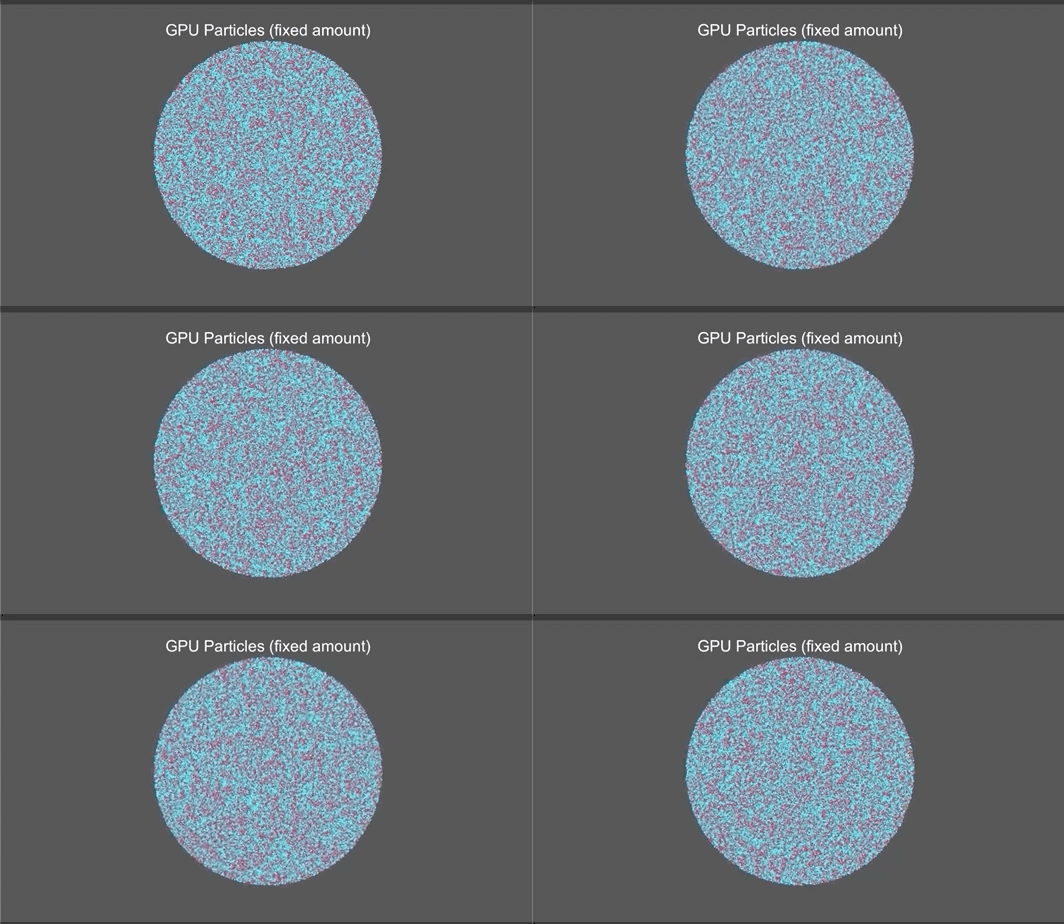 | GPU Particle, drawing fixed no. of particles |
02_6_ComputeSketch | 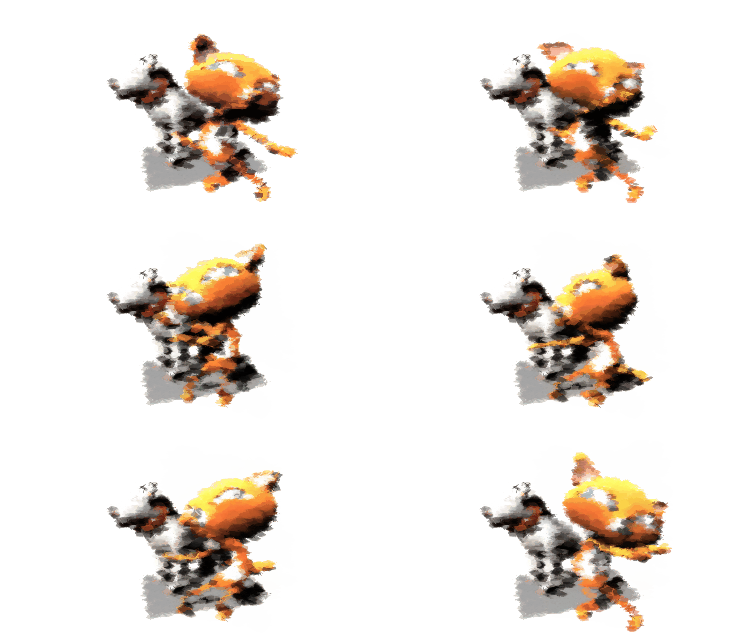 | Draw quads on the screen with color filled by compute shader |
02_7_ShimmerSphere | 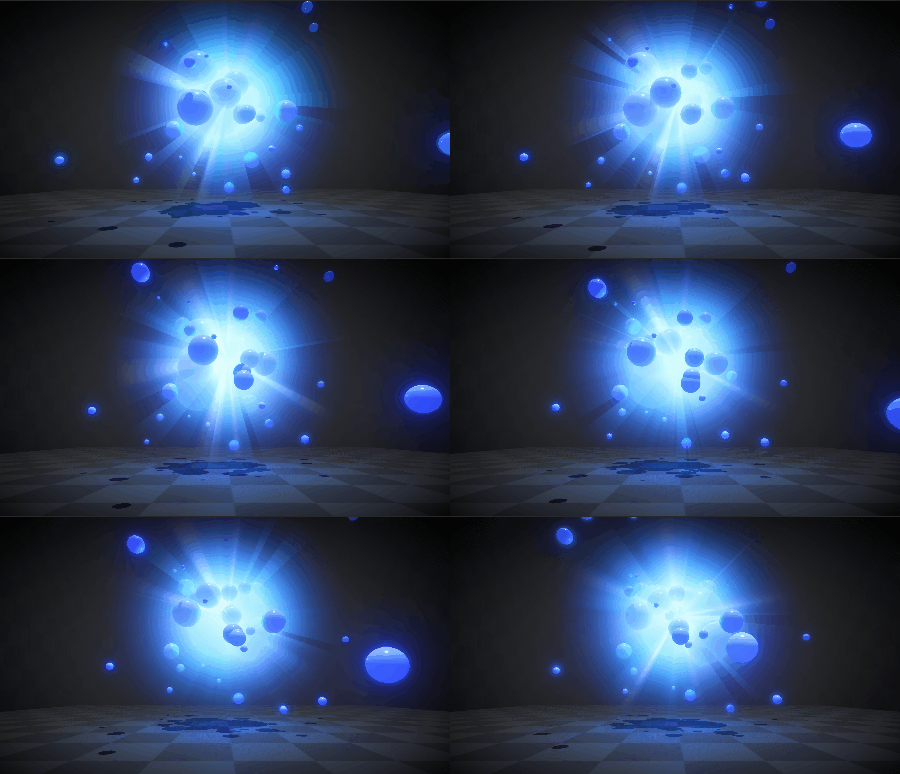 | Pass spheres position and radius to quad material for a fake shimmer effect |
| 🔷 03_GPU_to_CPU 🔷 | ||
03_1_StructuredBufferWithCompute | 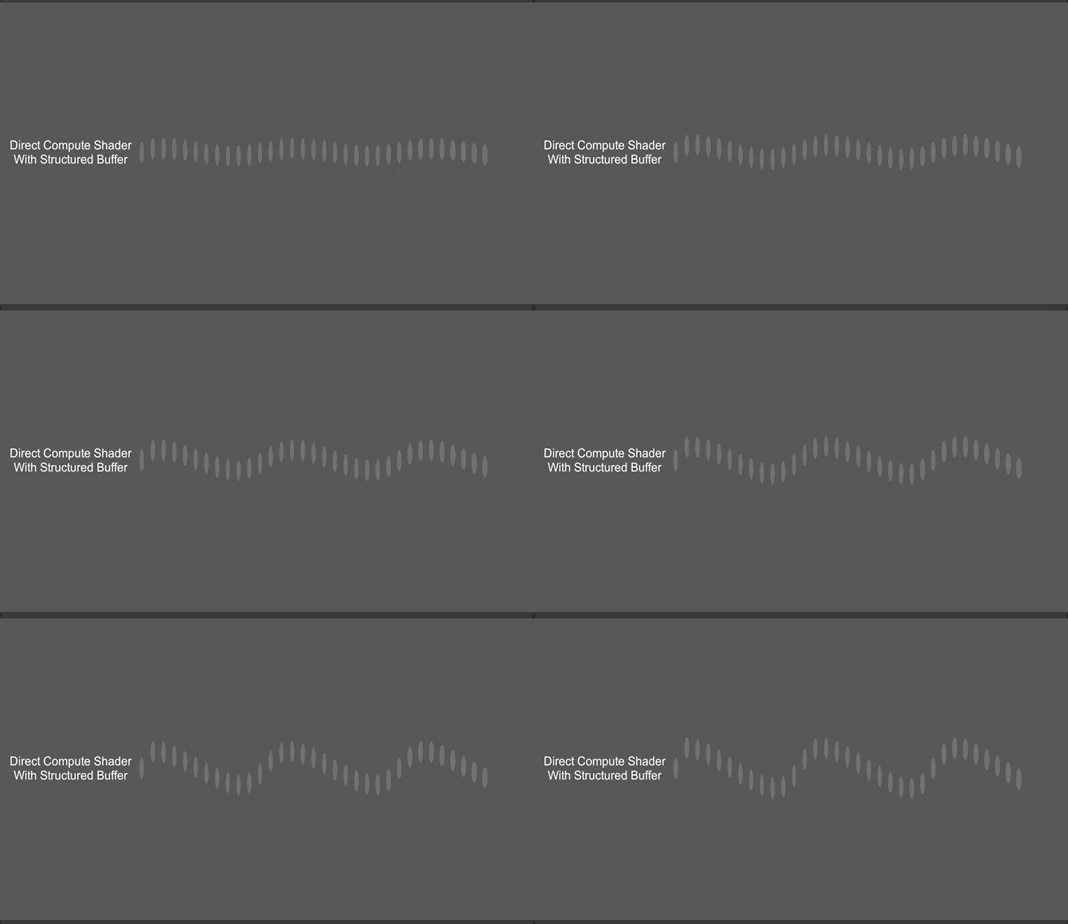 | Another basic one, use compute to calculate some data and send back to CPU |
03_2_AsyncGPUReadback | 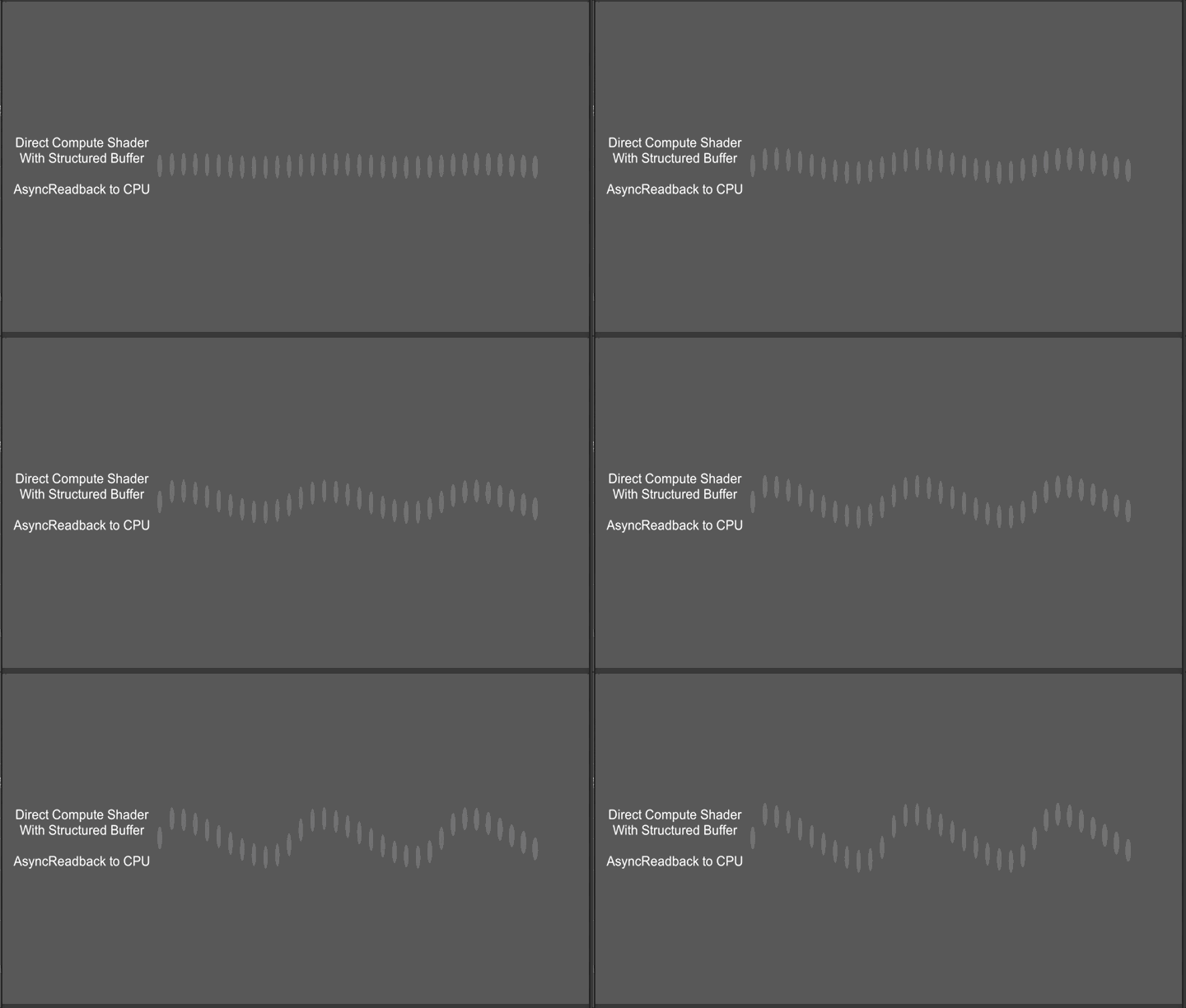 | Similar to StructuredBufferWithCompute, but use AsyncGPUReadback to get array data back to CPU |
03_3_AsyncGPUReadbackTex | 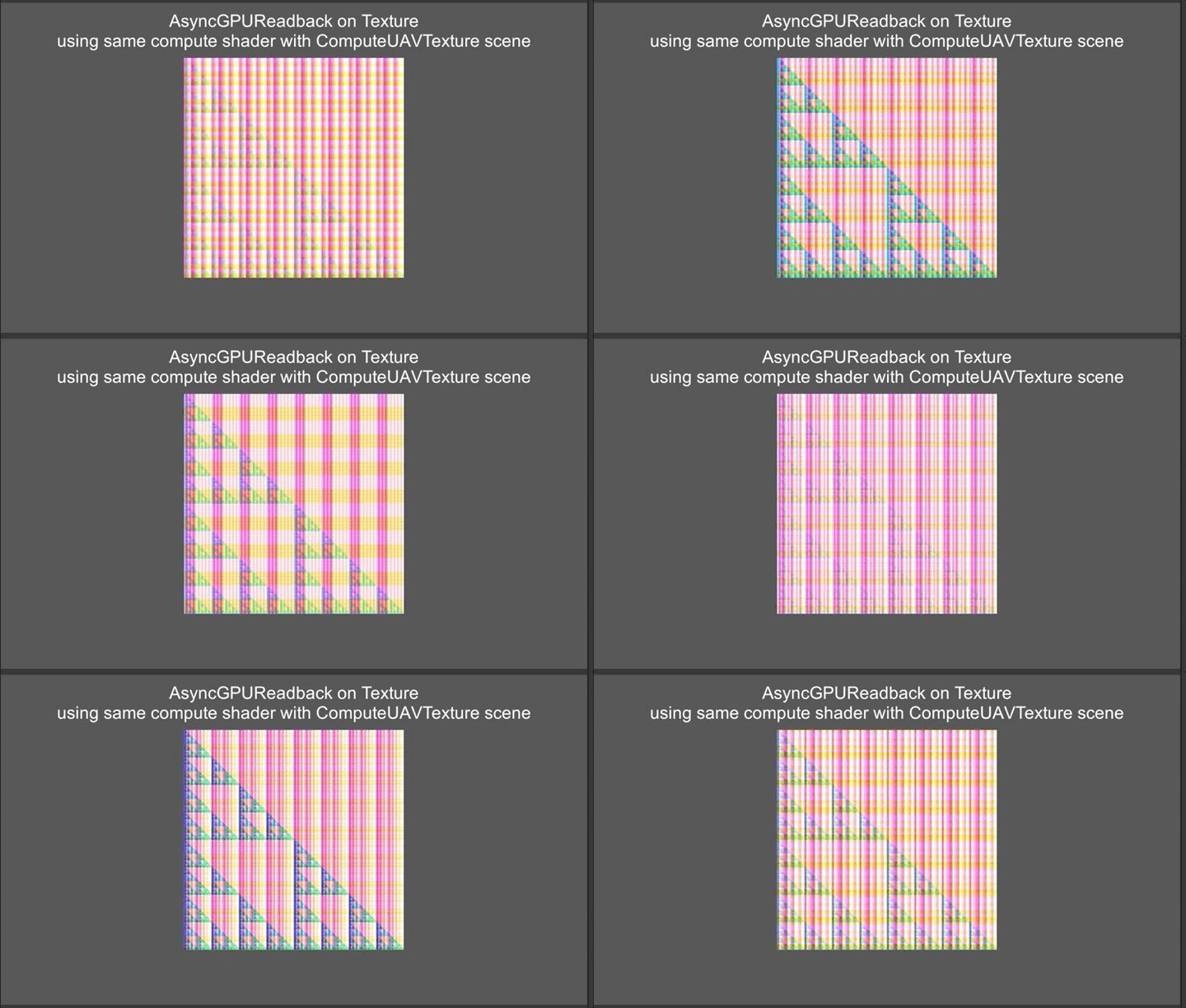 | Result is same as ComputeUAVTexture, but this scene uses AsyncGPUReadback to get texture data back to CPU, and CPU send the texture data to Shader for rendering |
03_4_AsyncGPUReadbackMesh | 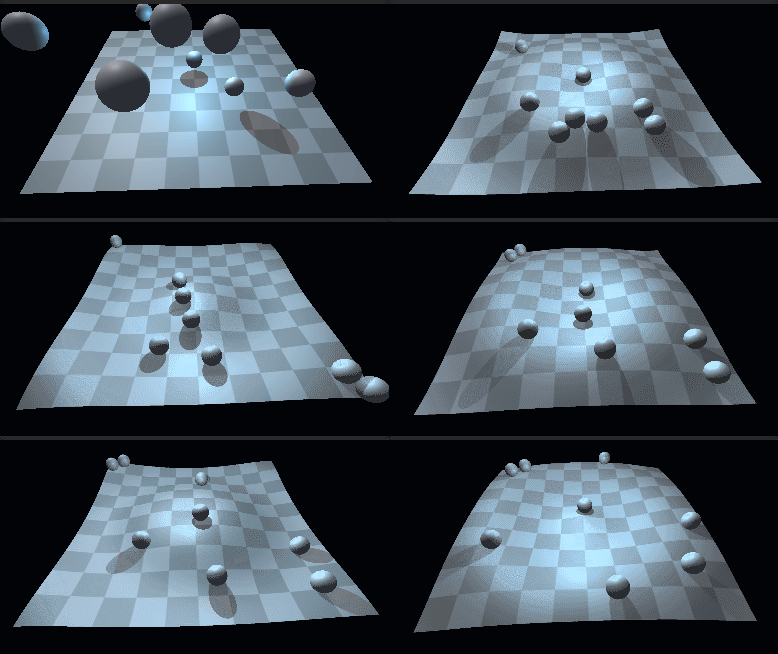 | Update mesh vertices with compute + AsyncGPUReadback to get the vertex data back to CPU for physics |
03_5_AsyncGPUReadbackMesh_NewMeshAPI | | Same as above but using the new Mesh API |
03_6_PixelPercentage | 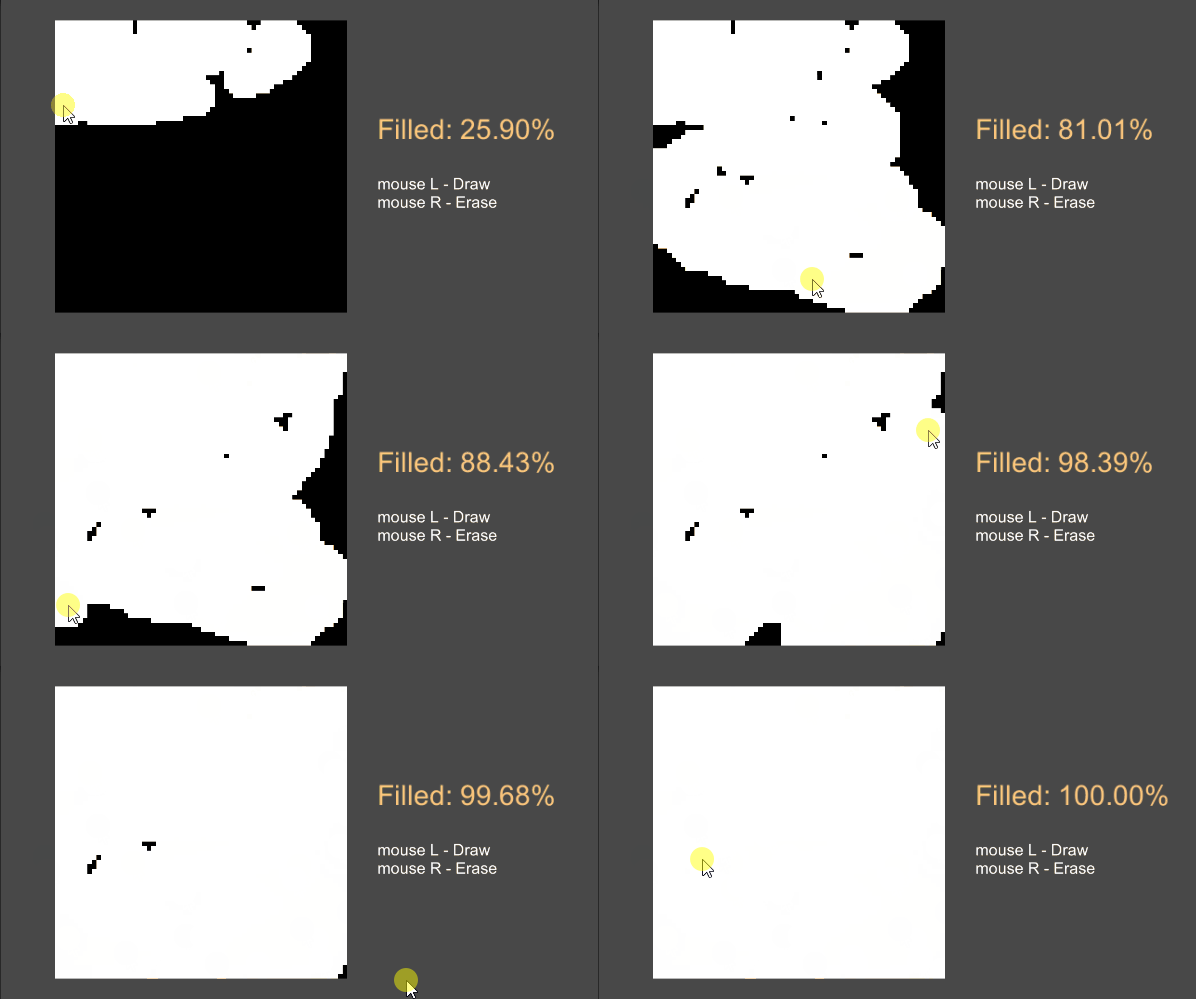 | Count the filled pixel percentage |
03_7_ColorPalette | 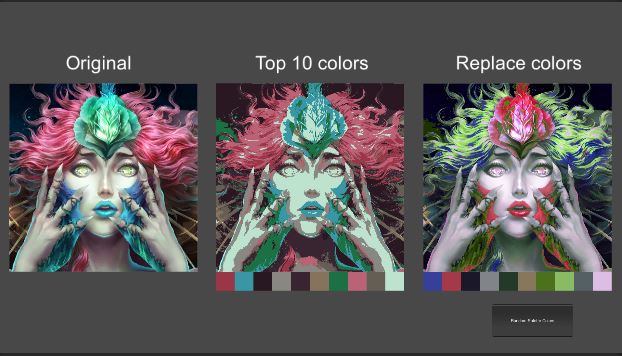 | Find the top colors and replace them |
| 🔷 04_Indirect 🔷 | ||
04_1_IndirectCompute | 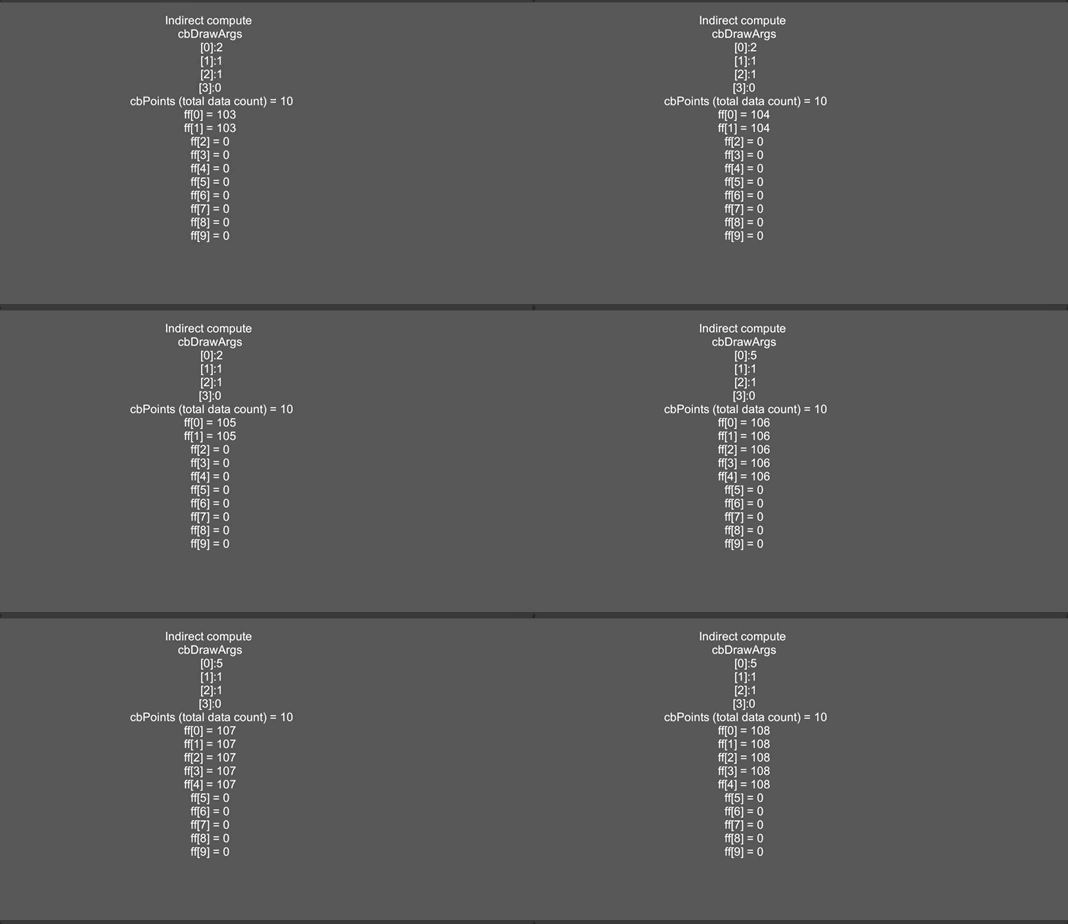 | Simple indirect compute (indirect dispatch) and CopyCount |
04_2_ComputeParticlesIndirect | 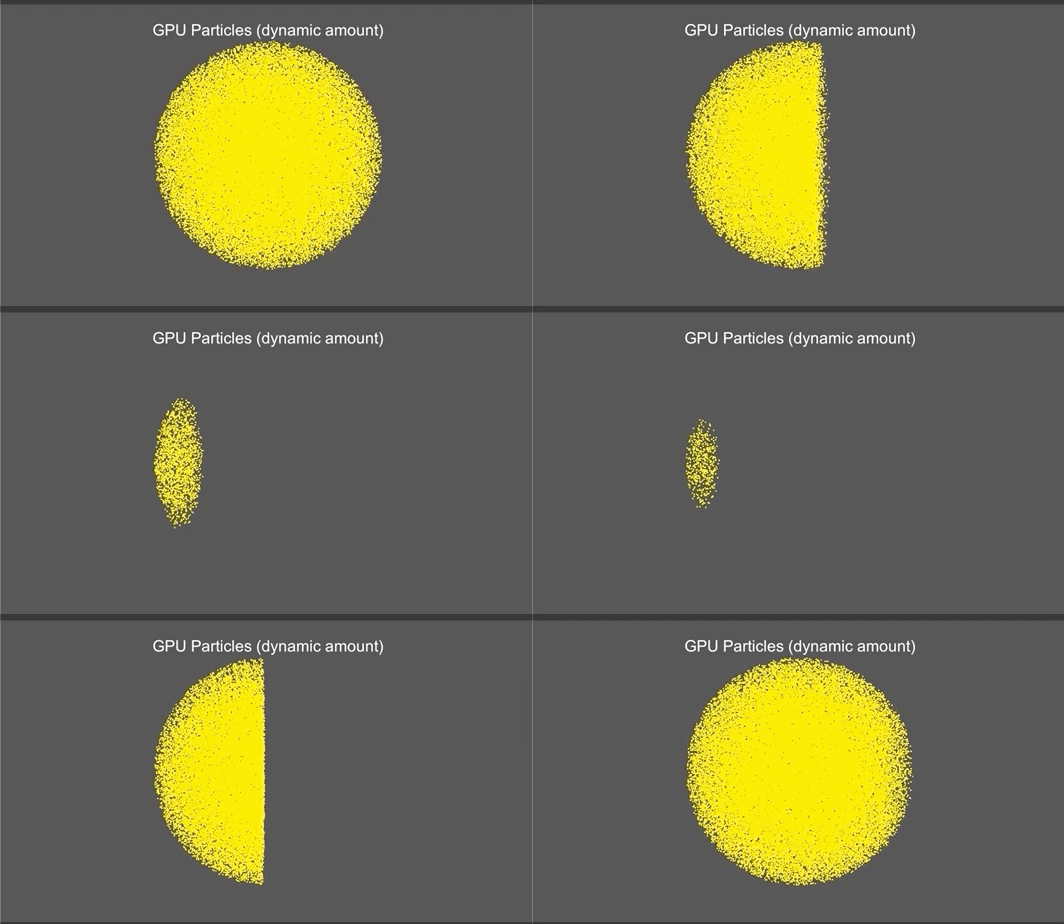 | GPU Particle, drawing dynamic no. of particles, no need to read back to CPU! |
04_3_ComputeParticlesIndirect_VFX | 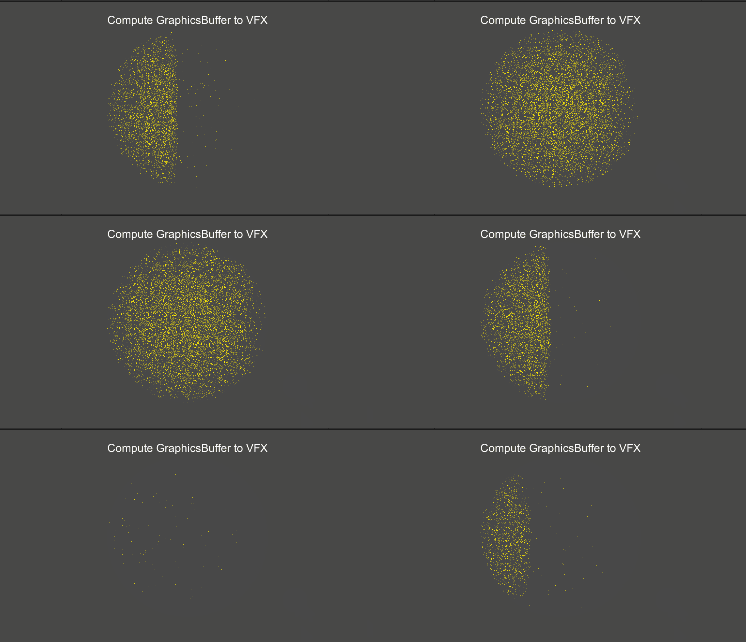 | Implementation of above scene with VFX graph |
04_4_IndirectReflectedStar | 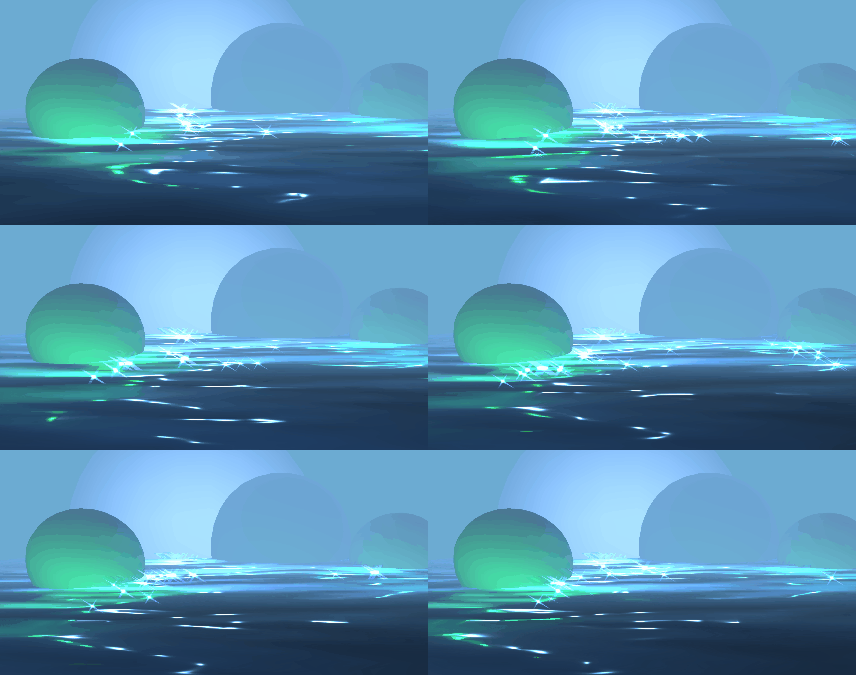 | Draw stars on the screen only if the pixels are bright enough |
| 🔷 05_Shader_to_CPU 🔷 | ||
05_1_UAVInShader | 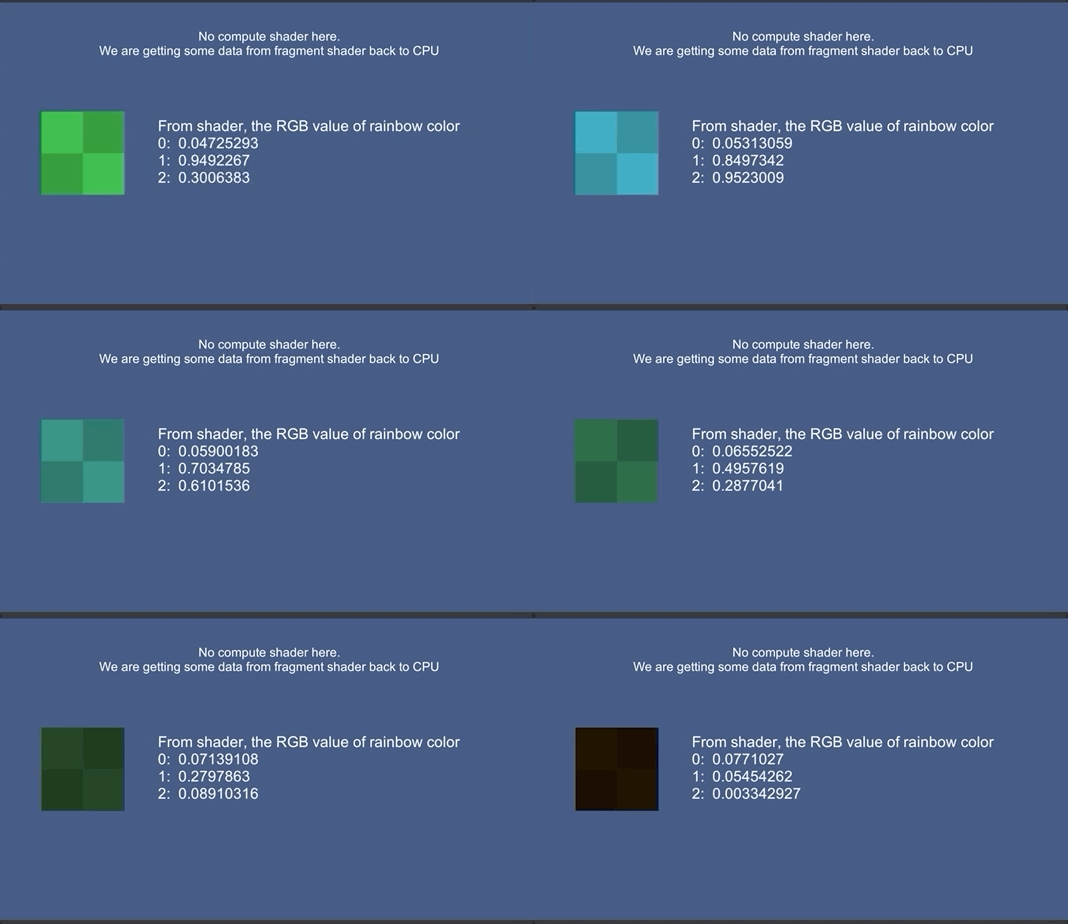 | Read some data back to CPU from fragment shader |
05_2_ShaderBakeToTexture | 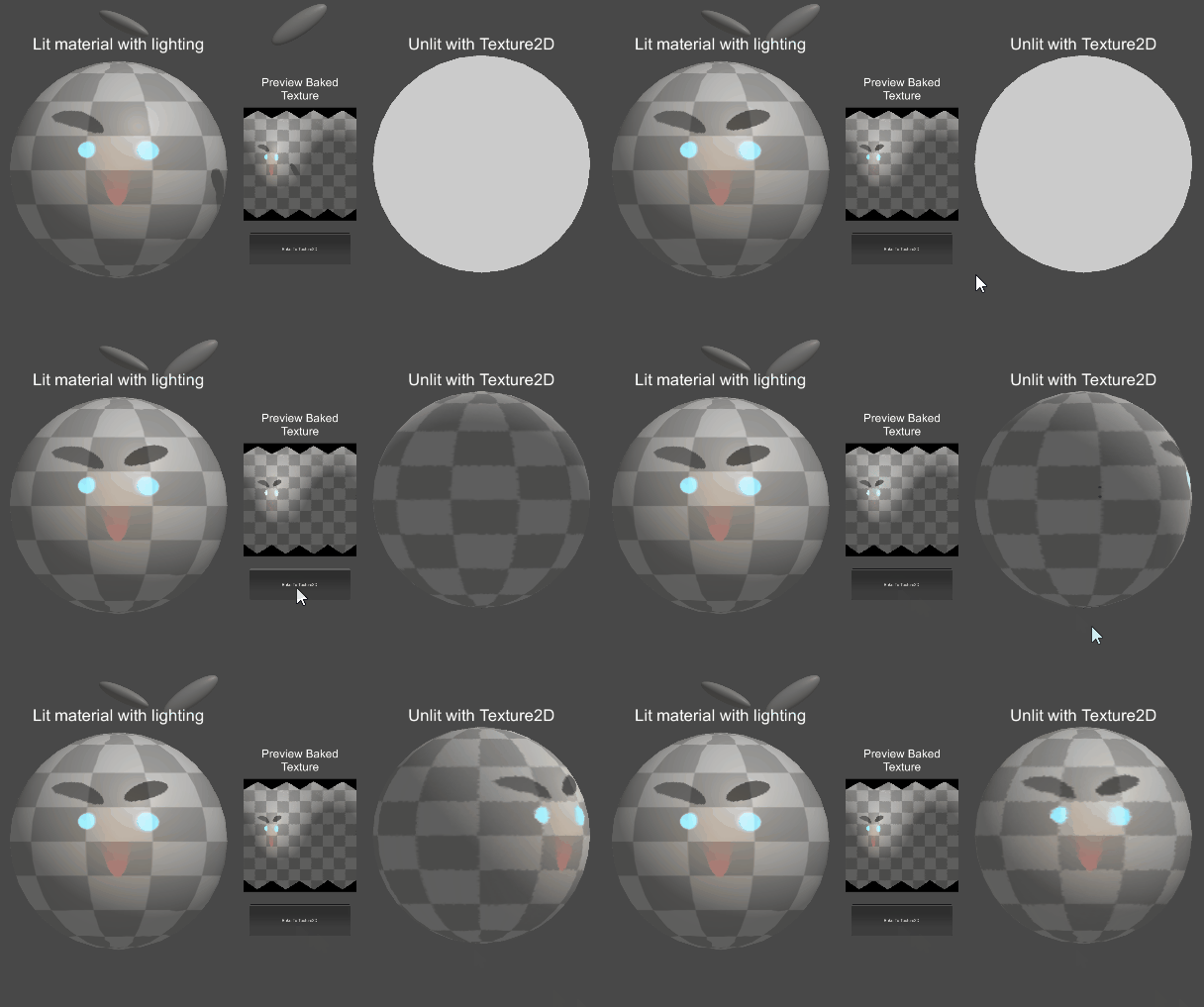 | Bake shader pixel result to texture |
| 🔷 06_Compute_Mesh 🔷 | ||
06_1_ComputeVertex | 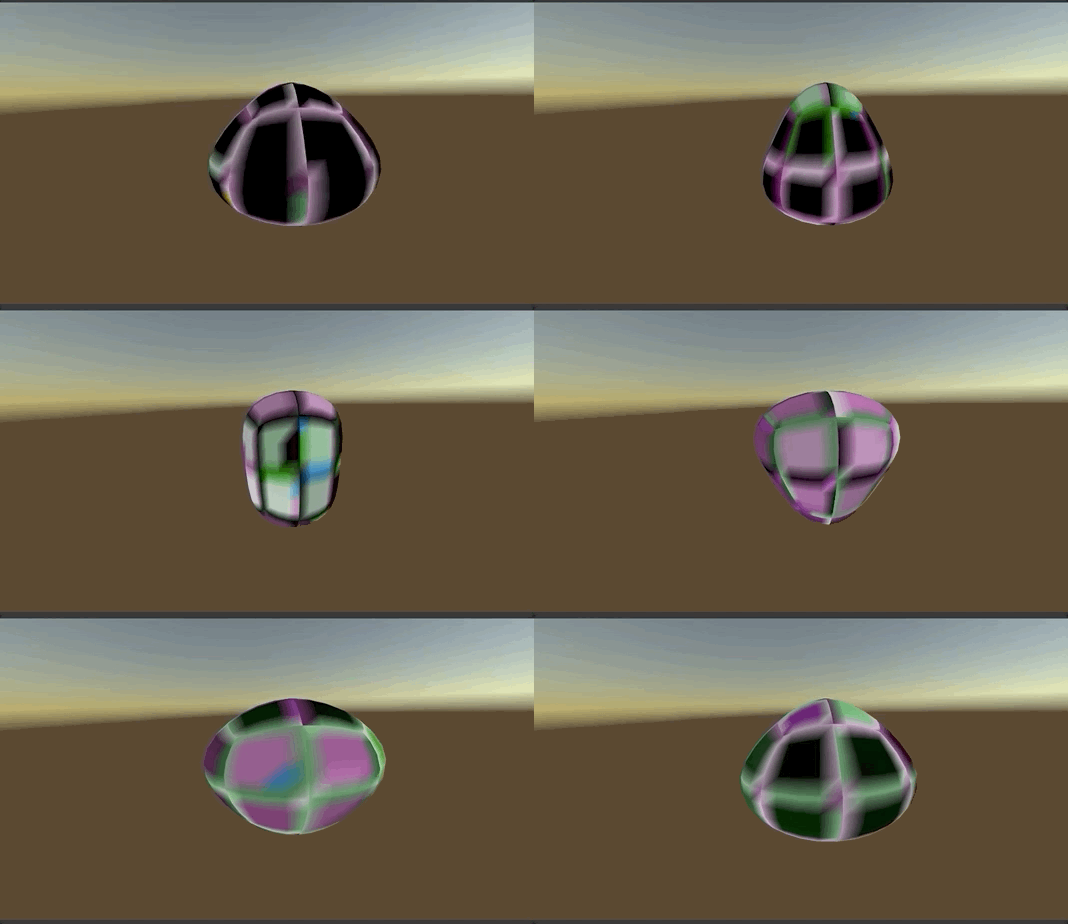 | Replace vertex buffer with StructuredBuffer and drive vertex displacement by compute |
06_2_ComputeVertexLit | 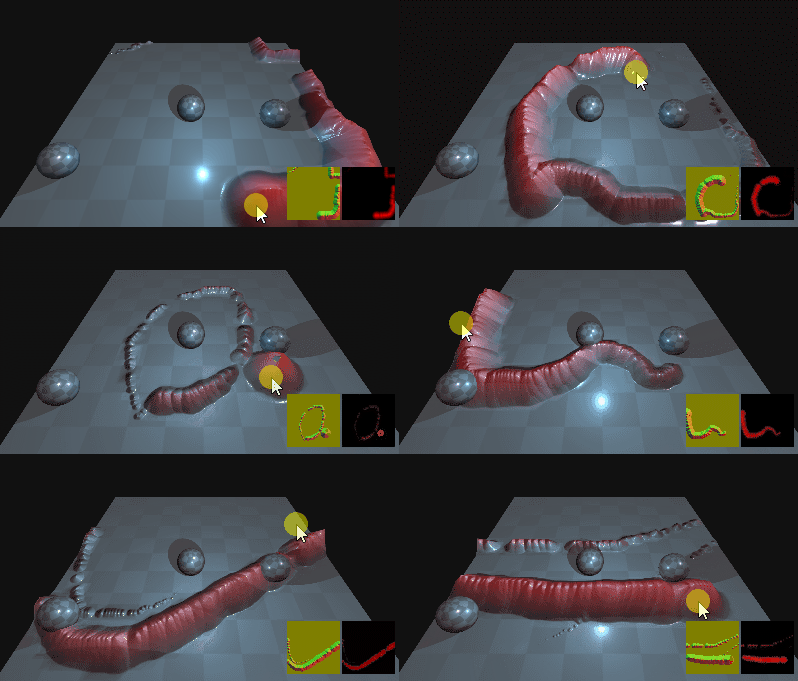 | A usecase of above, with different shader passes share the same vertex data |
06_3_SkinnedMeshBuffer_SameMesh | 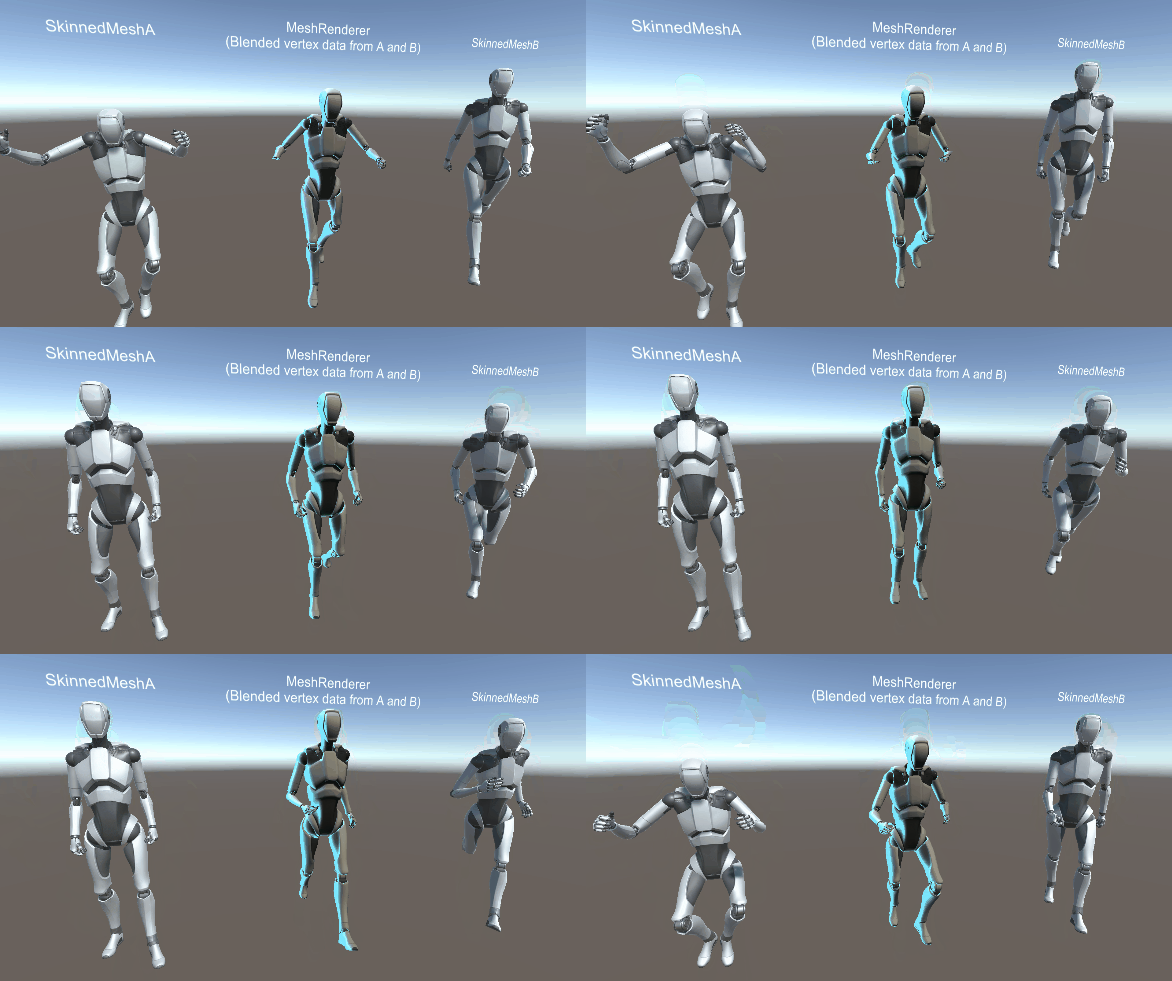 | Blend the vertex data from 2 SkinnedMeshRenderer vertex buffer and render it with MeshRenderer |
06_4_SkinnedMeshBuffer_DiffMesh | 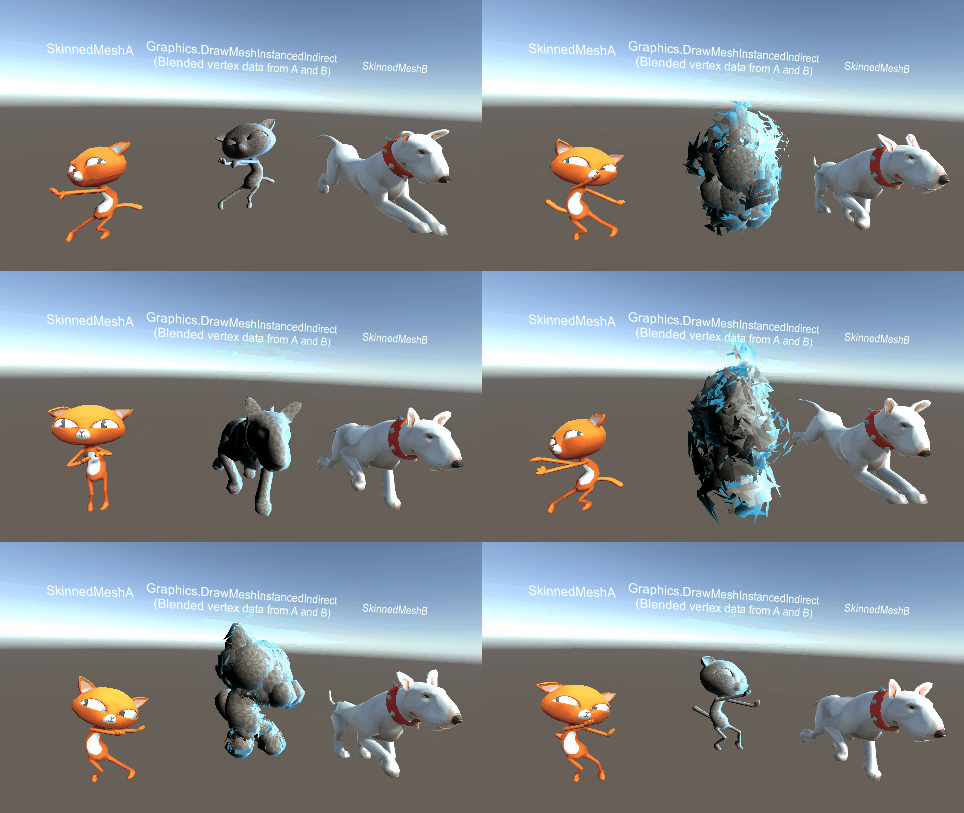 | Similar to above but blending 2 different SkinnedMeshes. The blended triangles are drawn with DrawMeshInstancedIndirect() |
06_5_VFXGraphMeshDeform | 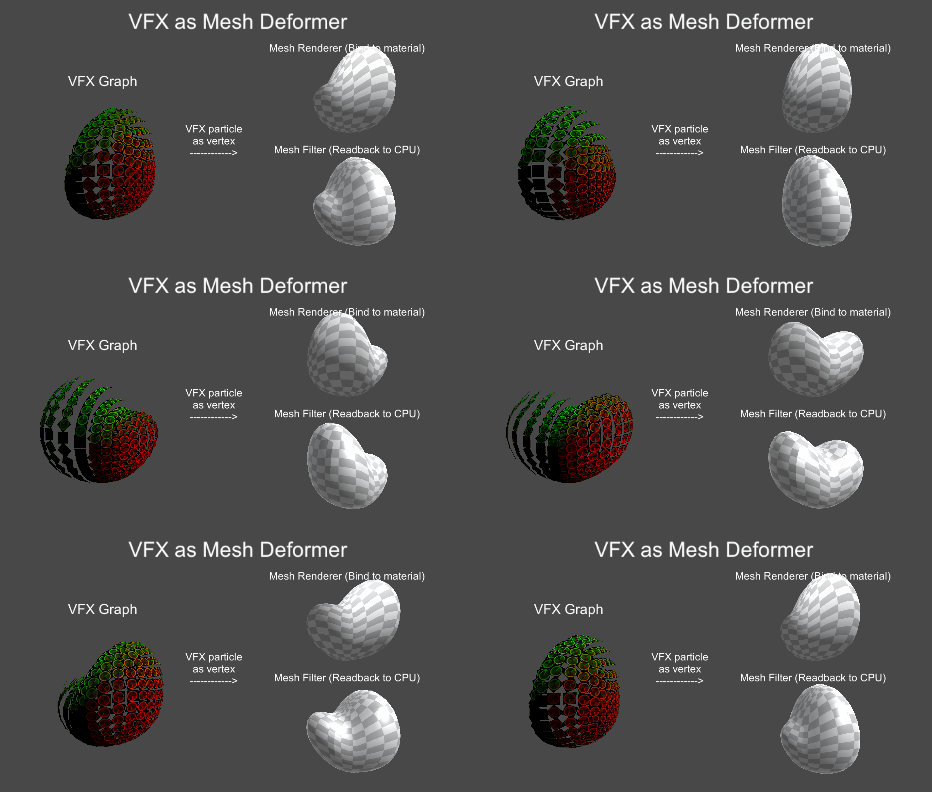 | Using VFX Graph to deforming mesh (particle as vertex) |
Disclaimer: The stuff here might not be the best practice / optimized :'(. But at least they works. Play them for fun.
967 followers · starred Feb 2023
180 followers · starred Jan 2021
449 followers · starred Jan 2021
8 followers · starred Jun 2021
Minimal test scenes contains compute shaders, compute buffers etc Playing with the transport between CPU <-> GPU
Unity version : 6000.3 (Unity 6.3), contains both BuiltinRP and Universal Render Pipeline (URP) scenes
See branches for older Unity versions
Tested with : Win DX11
| Scene | Image | Description |
|---|---|---|
| 🔷 01_Compute_Texture 🔷 | ||
01_1_Basic | | The most basic one, edit texture with compute shader, shader takes the texture for rendering |
01_2_FallingSand | | Example of using compute to animate texture pixels |
01_3_Fluid_2D | | GPU Fluid. Ref to Scrawk/GPU-GEMS-2D-Fluid-Simulation |
01_4_Fluid_3D | | A 3D version based on above GPU Fluid |
| 🔷 02_StructuredBuffer 🔷 | ||
02_1_StructuredBufferNoCompute | | ComputeBuffer can also be used in Shader, not just ComputeShader. The folder contains implementation of unlit vert-frag, surface shader and unlit URP shader |
02_2_ComputePaintTexture | | Paint the texture by sending object positions to compute shader with StructuredBuffer |
02_3_RotatingCircles | | Similar to above, just another playground scene |
02_4_ComputePaintTexture_DFT | | Similar to above but drawing with Epicycles using Discrete Fourier Transform. Ref to The Coding Train's youtube video |
02_5_ComputeParticlesDirect | | GPU Particle, drawing fixed no. of particles |
02_6_ComputeSketch | | Draw quads on the screen with color filled by compute shader |
02_7_ShimmerSphere | | Pass spheres position and radius to quad material for a fake shimmer effect |
| 🔷 03_GPU_to_CPU 🔷 | ||
03_1_StructuredBufferWithCompute | | Another basic one, use compute to calculate some data and send back to CPU |
03_2_AsyncGPUReadback | | Similar to StructuredBufferWithCompute, but use AsyncGPUReadback to get array data back to CPU |
03_3_AsyncGPUReadbackTex | | Result is same as ComputeUAVTexture, but this scene uses AsyncGPUReadback to get texture data back to CPU, and CPU send the texture data to Shader for rendering |
03_4_AsyncGPUReadbackMesh | | Update mesh vertices with compute + AsyncGPUReadback to get the vertex data back to CPU for physics |
03_5_AsyncGPUReadbackMesh_NewMeshAPI | | Same as above but using the new Mesh API |
03_6_PixelPercentage | | Count the filled pixel percentage |
03_7_ColorPalette | | Find the top colors and replace them |
| 🔷 04_Indirect 🔷 | ||
04_1_IndirectCompute | | Simple indirect compute (indirect dispatch) and CopyCount |
04_2_ComputeParticlesIndirect | | GPU Particle, drawing dynamic no. of particles, no need to read back to CPU! |
04_3_ComputeParticlesIndirect_VFX | | Implementation of above scene with VFX graph |
04_4_IndirectReflectedStar | | Draw stars on the screen only if the pixels are bright enough |
| 🔷 05_Shader_to_CPU 🔷 | ||
05_1_UAVInShader | | Read some data back to CPU from fragment shader |
05_2_ShaderBakeToTexture | | Bake shader pixel result to texture |
| 🔷 06_Compute_Mesh 🔷 | ||
06_1_ComputeVertex | | Replace vertex buffer with StructuredBuffer and drive vertex displacement by compute |
06_2_ComputeVertexLit | | A usecase of above, with different shader passes share the same vertex data |
06_3_SkinnedMeshBuffer_SameMesh | | Blend the vertex data from 2 SkinnedMeshRenderer vertex buffer and render it with MeshRenderer |
06_4_SkinnedMeshBuffer_DiffMesh | | Similar to above but blending 2 different SkinnedMeshes. The blended triangles are drawn with DrawMeshInstancedIndirect() |
06_5_VFXGraphMeshDeform | | Using VFX Graph to deforming mesh (particle as vertex) |
Disclaimer: The stuff here might not be the best practice / optimized :'(. But at least they works. Play them for fun.
967 followers · starred Feb 2023
180 followers · starred Jan 2021
449 followers · starred Jan 2021
8 followers · starred Jun 2021



